
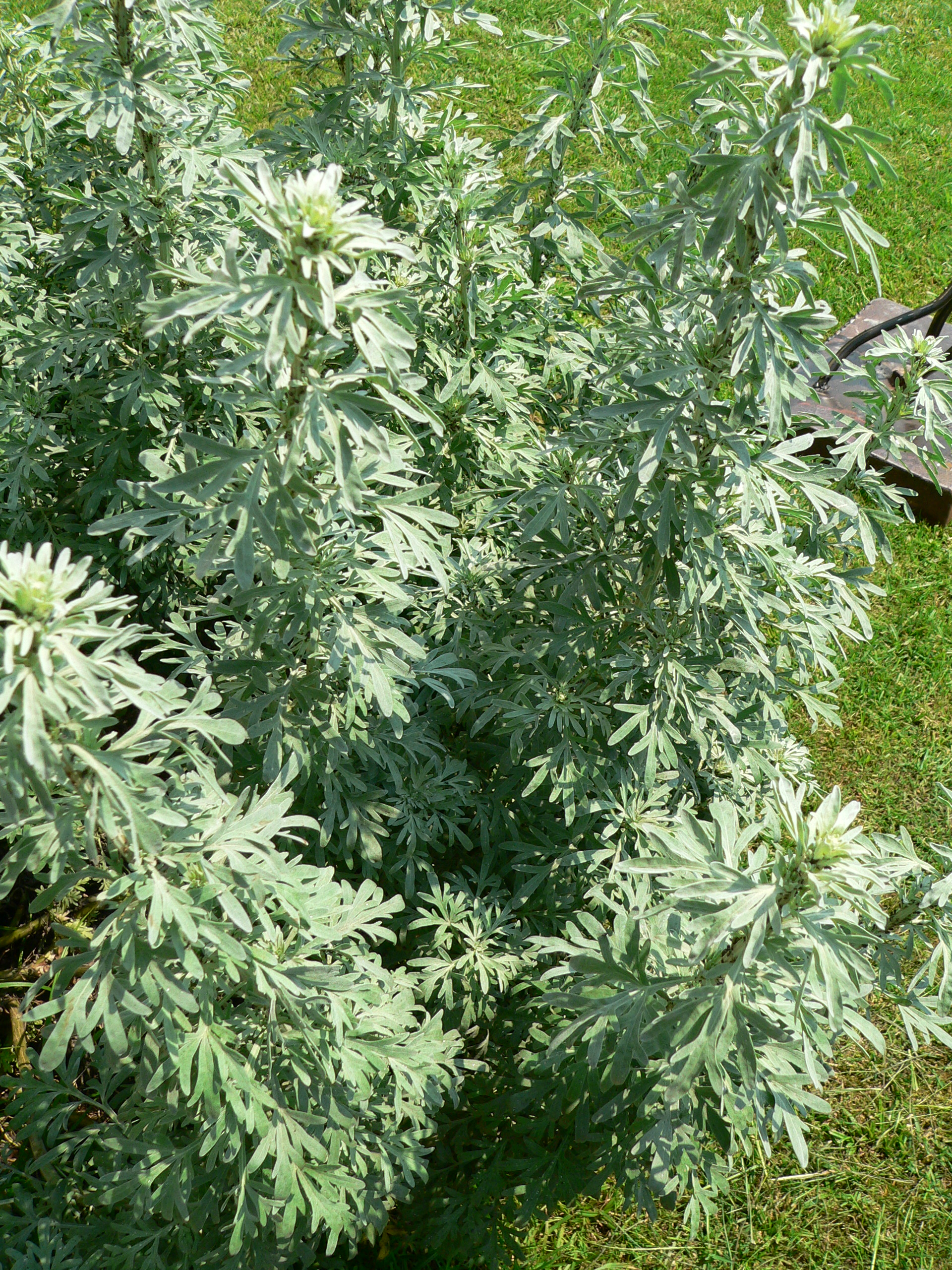
Artemisia absinthium L. Monograph: Wormwood
Saturn’s Great Regulator ~ Absinthium in Carolingian Medicine and Modern Practice
Artemisia absinthium occupies an unusual position in the European materia medica: it is simultaneously one of the most ancient, most consistently described, and most persistently misunderstood plants in the clinical tradition. Its presence in the Carolingian garden is documented not in the administrative plant list of the Capitulare de Villis — where it does not appear, despite frequent claims to the contrary — but in something more personal and more telling: the Hortulus of Walafrid Strabo, abbot of Reichenau, who grew it with his own hands and described it in verse in the generation immediately following Charlemagne’s reign.
The difficult plants have their domain, and wormwood is Saturn’s great representative in it. This monograph examines Artemisia absinthium through the Galenic and astro-herbalism frameworks that governed its use for fifteen centuries, alongside current phytochemical and pharmacological evidence. The European Medicines Agency’s Committee on Herbal Medicinal Products has issued a final EU herbal monograph on Artemisia absinthium L., herba (revised 2017), confirming traditional use for appetite loss and mild dyspeptic disorders and providing the most authoritative current regulatory synthesis of the safety and evidence record, including thujone exposure limits.
I. Quick Reference: Artemisia absinthium
| Latin Name | Artemisia absinthium L. |
| Common Names | Wormwood, Grand Wormwood, Absinthium, Absinthe (Fr.), Wermut (Ger.), Artemisia (It.) |
| Family | Asteraceae (Compositae) |
| Parts Used | Aerial parts: leaf and flowering top; root used historically in specific preparations |
| Galenic Temperament | Hot and Dry, second to third degree (Dioscorides, Galen, Avicenna, Hildegard, Culpeper in consensus) |
| Planetary Ruler | Saturn (primary); some authorities cite Mars as co-ruler in the heating bitter tradition |
| Elemental Quality | Earth with Fire — cold, dense structure with warming, penetrating bitter action |
| Primary Actions | Bitter tonic; cholagogue; anthelmintic; emmenagogue; hepatic; stomachic; anti-inflammatory; vermifuge |
| Taste | Intensely bitter; slightly pungent; aromatic |
| Energetics | Bitter cools and descends; pungent warms and moves; net action: regulating, draining, dispersing |
| Carolingian Source | Walafrid Strabo, Hortulus, lines 181–196 (c. 840 CE): absinthium at Reichenau — headache poultice, flea repulsion, ale-bittering. Note: absent from Capitulare de Villis Chapter LXX; that citation, common in herbalism literature, is unverified against the primary text. |
| Preparation Forms | Infusion; tincture (1:5, 40–60%); wine; vinegar; oxymel; compress; pessary (historical) |
| Standard Dose | Infusion: 1–2 g dried herb / 200 mL, 1–3× daily. Tincture: 1–3 mL, 1:5, 3× daily. Short-term use only. |
| Safety Class | Thujone-containing; pregnancy contraindicated; limit duration to 4 weeks; essential oil never internally |
| Key Constituents | Monoterpene thujone (α and β); sesquiterpene lactones (absinthin, artabsin, anabsinthin); flavonoids; phenolic acids; essential oil |
II. Botanical Description & Identification
Artemisia absinthium is a herbaceous perennial subshrub of the family Asteraceae, native to temperate Eurasia and naturalized across much of North America and Australia. In cultivation and in the wild, it is immediately recognizable by a constellation of features that together make identification unambiguous for the practiced eye.
Habit and Form
Plants reach 50–150 cm in height and form a woody base with multiple erect or ascending stems. The overall silhouette is distinctly silver-grey: every surface is clothed in dense, fine, silky-appressed or slightly woolly hairs (trichomes) that give the plant its characteristic colour and create the visual impression of something between mercury and moonlight. In full summer growth, the plant is architecturally striking. In winter, the woody base persists, and the silver stems remain visible above ground in mild climates.
Leaves
Leaves are alternate, pinnately divided two to three times, each lobe itself deeply lobed or toothed. Lower leaves are long-petiolate and large (8–12 cm). Leaves reduce in size and become simpler toward the stem apex. All surfaces are covered with the characteristic silvery-grey indumentum. Crushed leaves release a powerfully aromatic, camphorous, intensely bitter scent — distinctive and unmistakable. This volatile quality is the olfactory signature of the plant’s essential oil fraction.
Inflorescence and Flowers
Flowers appear July through September in the northern hemisphere. The inflorescence is a much-branched panicle of small, pendulous, globose heads approximately 3–4 mm in diameter. Individual florets are tubular and yellow-green, and the heads nod slightly. The overall flowering appearance is diffuse and airy. Wormwood does not produce showy flowers — its visual drama is entirely in the foliage. The flowers are wind-pollinated; they produce pollen copiously and can provoke allergic responses in sensitive individuals.
Roots and Rhizome
Root system is fibrous and spreading, arising from a woody taproot. The root was used historically — particularly in Dioscorides and in some medieval preparations — though modern use focuses almost exclusively on the aerial parts.
Ecological Notes
Artemisia absinthium is a plant of disturbed ground, rocky slopes, roadsides, river embankments, field margins, and wasteland — exactly the habitat profile that medieval writers associated with Saturn’s domain: dry, stony, inhospitable places where other plants struggle. It is drought-tolerant, indifferent to poor soils, and performs best in full sun with excellent drainage. In the Creuse, it can be found along south-facing embankments and dry stone walls. It spreads readily by self-seeding in the right conditions.
Distinguishing from Related Species
Several Artemisia species can cause confusion. Artemisia pontica (Roman wormwood) is smaller, more finely divided, and used interchangeably in some historical preparations but is pharmacologically distinct in thujone content. Artemisia vulgaris (mugwort) lacks the silver indumentum — its leaves are green above and grey-downy only on the underside — and has a very different energetic and clinical profile. Artemisia annua (sweet Annie, qinghao), source of artemisinin, is an annual with green, gland-dotted, fragrant leaves. The dense silver indumentum covering all surfaces of absinthium is the most reliable single identifier.
III. Historical & Ethnobotanical Record
Ancient World: Dioscorides and the Greek Tradition
Pedanius Dioscorides devotes substantial attention to Absinthium in De Materia Medica (c. 65 CE), listing multiple species and distinguishing their uses. The Pontic variety (from the Black Sea region) was considered the finest and most medicinally potent. For Dioscorides, wormwood is warming and binding: useful for stomach weakness, liver complaints, jaundice, and worms — exactly the indications that would persist for fifteen hundred years. He recommends it as a protective against sea-sickness (prepared as a decoction in wine aboard ship), as a poultice for the eyes, and as a preparation against poison. The association with protection and poison-countering runs through the historical record from here forward.
Galen and the Temperament Tradition
Galen of Pergamon (129–216 CE) systematized what Dioscorides observed into the four-quality framework that would govern European and Islamic medicine for over a millennium. For Galen, Absinthium is hot and dry in the second degree — a significant level of thermal action, sufficient to warm and stimulate without excessive burning. Its primary sphere of action is the liver and the digestive tract. Galen uses it to open hepatic obstructions, clear yellow bile, stimulate biliary secretion, and address digestive stagnation arising from cold, sluggish constitutions. The bitterness, in Galenic logic, is the taste of the fire element in the plant — it stimulates, disperses, and clears.
Capitulare de Villis: A Correction and Its Significance ~ Artemisia absinthium
A correction is warranted here — and it is one that distinguishes this monograph from the majority of herbalism sources currently in circulation.
Artemisia absinthium is widely cited across the herbalism literature as appearing in Chapter LXX of the Capitulare de Villis, Charlemagne’s ninth-century imperial plant mandate. This citation is incorrect. A careful reading of Chapter LXX — the plant list that forms the document’s most famous passage — confirms that absinthium is absent. The two Artemisia species that do appear are abrotanum (Artemisia abrotanum, southernwood) and dragantea (Artemisia dracunculus, tarragon). The erroneous Chapter LXX citation appears to have propagated through secondary herbalism literature without reference to the primary Latin text, and it is repeated on herbalism websites, in popular books, and in otherwise careful secondary sources. This monograph does not repeat it.
This does not diminish wormwood’s Carolingian credentials — it corrects and sharpens them. The Capitulare de Villis was an administrative document governing the estates of the Frankish crown. It was not a comprehensive pharmacopoeia, and its plant list reflects the particular priorities of royal estate management rather than the full scope of Carolingian medicinal knowledge. Absinthium was unquestionably present in the Carolingian garden tradition: in monastic physic gardens throughout the Frankish empire, in the broader pharmacopoeia that the great monastic scriptoria transmitted and expanded, and — documented with complete specificity — in the garden at Reichenau, where Walafrid Strabo grew it and wrote about it in the generation immediately following Charlemagne’s reign.
Walafrid Strabo and the Hortulus: The Primary Carolingian Source
The most authoritative Carolingian documentation of wormwood is not the Capitulare de Villis but the Hortulus (De Cultura Hortorum) of Walafrid Strabo, abbot of Reichenau (c. 808–849). Walafrid was one of the foremost scholars of the Carolingian court — a student of Hrabanus Maurus, a teacher of the future emperor Charles the Bald, and a poet whose work was preserved in the Vatican Library. His Hortulus, a poem of 444 lines describing the plants of his monastic garden on the island of Reichenau in Lake Constance, devotes a specific passage (lines 181–196) to absinthium.
This is not incidental mention. Walafrid describes wormwood as a remedy for headache when applied as a poultice, a repellent against fleas and other vermin, and a bittering agent for ale — the gruit tradition that preceded hops in northern European brewing. The fact that he gives it dedicated lines, rather than listing it among background plants, indicates that wormwood held both practical and medicinal standing in the Carolingian monastic garden as a plant worthy of individual treatment.
The Hortulus is the closer and more clinically interesting primary source for absinthium’s Carolingian standing. It represents the lived garden knowledge of a practicing monastic scholar-herbalist writing within living memory of Charlemagne’s reign, on an island whose monastery was directly connected to the Carolingian intellectual court. For the purposes of the At Charlemagne’s Behest series, Walafrid’s Hortulus is the document that places wormwood unambiguously and specifically within the Carolingian medical tradition — not as an item on an administrative checklist, but as a plant a learned man grew with his own hands, knew by experience, and thought worth describing in verse.
Avicenna and the Canon of Medicine
Ibn Sina (Avicenna, 980–1037 CE) treats Afsantin (wormwood) extensively in the Canon of Medicine (Al-Qanun fi al-Tibb). He confirms the hot and dry temperament, assigns it to liver and stomach function, and adds considerable clinical refinement: distinctions between the opening action on the liver versus its contracting effect on the stomach, uses in febrile states where the liver is obstructed, and a detailed account of its anthelmintic applications. Avicenna’s treatment of wormwood became the reference point for Islamic medicine and, through the great translation movement of the 11th–12th centuries, fed back into Latin European medical thought.
Hildegard von Bingen
Hildegard von Bingen (1098–1179 CE) discusses Wermuda (wormwood) in her Physica, and her treatment is characteristically both practical and moral-cosmological. She notes its power against corrupt and festering matter in the stomach and bowel, and considers it particularly indicated where “unclean” matter has accumulated. For Hildegard, wormwood’s bitterness is a kind of medicine for moral as well as physical corruption — a plant that expels what should not be present. This framing, which may seem alien to modern herbalists, is actually consistent with its use against parasites and its reputation as a plant of purification and protection.
Culpeper and the English Tradition
Nicholas Culpeper assigns wormwood to Saturn, placing it squarely in the cold, contracting, descending, structuring planetary sphere. This may seem paradoxical given the hot-dry Galenic temperament, but Culpeper’s planetary attribution reflects something different: the Saturnine character of the plant’s action — its gravity, its bitterness, its tendency to address long-standing, deep-seated complaints, its association with age, persistence, and the slow dissolution of obstruction. Culpeper notes its uses in jaundice, weakness of the stomach, worms, and agues, and he emphasizes its protective quality against poison and pestilence.
This Saturnine attribution is clinically important and will be explored in depth in the astro-herbalism section. Culpeper’s apparent contradiction of Galen’s hot-dry assignment is actually a layer of additional information, not a correction of it.
Folk and Ethnobotanical Uses of Artemisia absinthium
Across the European folk tradition, wormwood carries a consistent signature: it is a plant of protection, purification, and expulsion. It was used in sachets to repel moths and insects (a use validated by its thujone content), hung at doorways to ward off evil, burned as a fumigant, and included in preparations against witchcraft. These folk uses consistently reflect the same underlying action: wormwood clears, repels, and protects. In the kitchen tradition, it flavored ales before hops became standard (the so-called gruit tradition), and it is the defining bittering agent of vermouth (Wermut) and absinthe.
In the French folk tradition relevant to the Creuse context, l’absinthe was a standard household remedy kept in the still-room. Preparations in wine or spirit were used for digestive complaints, liver support, and as a vermifuge for children and livestock alike. The plant’s prominence in absinthe culture and its subsequent ban in many countries in the early 20th century (largely on the basis of its thujone content) represents a historical wound in the plant’s reputation that modern research has partially healed.
IV. Galenic Energetics & Temperament
The Established Consensus
Artemisia absinthium occupies an unusually stable position in the Galenic tradition: virtually every major authority from Dioscorides through Culpeper assigns it the same fundamental temperament. Hot and Dry in the second degree is the consensus reading, with some authorities — notably for the volatile oil fraction — extending the heat toward the third degree for specific preparations or in specific clinical contexts.
This stability is itself clinically informative. Plants about which there is consistent historical agreement across fifteen centuries and multiple medical traditions are plants whose actions are sufficiently consistent, sufficiently reliable, and sufficiently distinctive that practitioners across very different cultural contexts kept arriving at the same conclusions. Wormwood is that kind of plant.
The Quality of Bitterness
The bitterness of Artemisia absinthium is not incidental: it is the defining clinical feature of the plant, and Galenic medicine understood bitterness as the signature of the fire element in plant matter. Bitter taste, in this framework, indicates a plant capable of penetrating obstructions, dispersing stagnation, warming the digestive fire, and stimulating secretion. The more intense the bitterness, the more powerful this action.
Wormwood’s bitterness is among the most intense in the European materia medica. The sesquiterpene lactones — absinthin, artabsin, anabsinthin — are among the most bitter compounds in nature. This is a plant that announces its action immediately and emphatically. The body responds to this bitterness before absorption even begins: salivary secretion increases, gastric acid production ramps up, bile flow is stimulated, and the enteric nervous system is activated along the length of the gut.
The Tension: Galenic Heat vs. Saturnine Attribution
Culpeper’s assignment of wormwood to Saturn appears to contradict the Galenic hot-dry classification, since Saturn governs cold and dry in astrological medicine. This apparent contradiction is best understood as two complementary layers of description rather than disagreement.
The Galenic temperament describes the energetic quality of the plant’s constituents: the volatile oil is genuinely heating and penetrating. The planetary attribution describes the character and domain of the plant’s action: Saturn governs the spleen, the bones, the long-standing and deep-seated, the tendency toward melancholy, the processes of consolidation and elimination. Wormwood’s primary clinical sphere — the liver, the digestive tract, long-standing parasitic infection, the slow clearing of chronic obstruction — is Saturnine in character even if the means of action (the bitter volatile oil) is hot.
A clinical parallel: the plant’s action is not the sharp, immediate, febrile heat of a Mars plant; it is the cold, patient, grinding bitterness of a planet that works slowly, descends heavily, and does not fail. This is Saturn’s action. The Galenic and astrological frameworks describe different dimensions of the same clinical reality.
Elemental Analysis: Earth and Fire
In the four-element framework, Artemisia absinthium sits primarily in the Earth-Fire axis: the plant’s dense, leathery, silver-grey structure — the trichomes, the woody base, the persistent stems — expresses Earth. The intensely penetrating, stimulating, volatile, aromatic quality expresses Fire. This combination accounts for the characteristic wormwood action: it is grounding and dispersing at once, able to stimulate movement in a system that has become stagnant, but doing so with a heaviness and gravity that distinguishes it from the lighter, more airy stimulants.
Constitutional Indications
Wormwood is most clearly indicated in the phlegmatic and melancholic constitutional types. The phlegmatic presentation — cold, damp, sluggish, accumulative, prone to parasites, to damp stagnation in the gut, to poor appetite and weak digestive fire — is the classic wormwood terrain. The melancholic presentation — cold, dry, heavy, tending to chronic, entrenched pathology — is equally receptive, particularly for the hepatic and long-standing parasitic indications.
Sanguine and choleric constitutions require more caution: the bitter-heating action may overstimulate a system already running warm. In a choleric patient with acute inflammation, wormwood’s heat could aggravate. The classic indication is the cold, slow, accumulative presentation, not the hot, reactive one.
V. Astro-Herbalism: Saturn’s Great Regulator
Saturn’s Domain
In the classical astrological medicine framework, Saturn governs: the spleen, the bones, the teeth, the right ear; melancholic temperament; processes of consolidation, contraction, crystallization, and elimination; long-duration and chronic disease; the cold and dry qualities at their extreme; the color black; lead among metals; aged and bitter things among tastes; stones, deserts, ruins, and waste places among environments.
Saturine plants consistently share a recognizable profile: they tend toward darkness (black elderberry, black cohosh), bitterness, association with death and transformation, affinity for rocky or waste places, density of structure, association with the elimination of what does not belong. Artemisia absinthium fits this profile with uncommon completeness.
The Doctrine of Signatures
The Doctrine of Signatures — the principle that a plant’s appearance and environmental affinity reveal its medicinal sphere — is explicit in the astro-herbalism tradition. Wormwood’s signatures deserve careful reading.
The silver-grey indumentum is among the most distinctive signatures in the European materia medica. Silver, in the traditional schema, belongs to the Moon; grey belongs to Saturn. The wormwood plant sits at this intersection — its color oscillates between these two planetary attributions depending on the light, the season, and the observer. This ambiguity is itself informative: wormwood works on the boundary between the Moon’s domain (fluids, the stomach, the monthly rhythms, parasites in the gut) and Saturn’s domain (consolidation, chronic disease, the spleen, elimination).
The intensely bitter taste is Saturn’s taste — the most demanding, the least immediately pleasurable, the most associated with medicine as distinct from food. The habitat — dry, rocky, disturbed, wasteland — is Saturn’s landscape. The plant’s persistence through drought, poor soil, and neglect is Saturnine tenacity.
Wormwood and the ACB Framework
Within the At Charlemagne’s Behest series, wormwood occupies the position of Saturn’s primary representative in the Carolingian garden — the great regulator. Where sage (the preceding episode) operates in the Sun-Jupiter register of warmth, clarity, and the rational mind, wormwood operates in the Saturn register of gravity, depth, and the slow clearing of what must be expelled.
This is not a lesser position. In the classical scheme, Saturn is the outermost planet and thus the greatest in scope and duration. Saturnine medicine addresses the deepest pathology: the long-standing, the entrenched, the parasitic, the chronically obstructed. A clinician who works only with warm, pleasant, Sun-Jupiter herbs cannot reach the terrain that wormwood addresses. The two episodes are intended to complement each other: sage represents the medicine of flourishing; wormwood represents the medicine of restoration.
Clinical Astro-Herbalism: Matching Plant to Constitution
In practice, the astro-herbalism framework suggests wormwood when the patient’s constitutional picture includes Saturnine pathology: heaviness, persistence, accumulation, cold, damp obstruction in the liver or gut, parasitic burden, sluggish elimination, melancholic tendency, chronic rather than acute presentation. The Saturn-ruled clinician or patient has particular resonance with this plant and particular need for its regulating action — but also particular caution, since strong Saturnine constitutions can sometimes find wormwood’s bitterness over-depleting.
VI. Phytochemical Profile: Artemisia absinthium
The chemistry of Artemisia absinthium is complex and has been intensively studied, particularly following the controversy over absinthe and thujone in the late 19th and early 20th centuries. The plant’s activity is best understood as arising from the interaction of multiple constituent groups rather than any single compound.
| Constituent Group | Key Compounds | Clinical Significance |
| Sesquiterpene Lactones | Absinthin, artabsin, anabsinthin, absintholide | Primary bitter constituents; responsible for the intense bitterness and most of the digestive-stimulating activity; anti-inflammatory; demonstrated anthelmintic and antiprotozoal activity; absinthin is among the most bitter naturally occurring compounds known |
| Monoterpene Ketones (Essential Oil) | α-thujone, β-thujone, camphor, sabinene, linalool | Thujone is the most pharmacologically controversial constituent; convulsant at high doses; antimicrobial; insecticidal; responsible for much of the aromatic signature; present in the essential oil fraction at variable concentrations depending on chemotype and harvest time |
| Flavonoids | Quercetin, rutin, luteolin, isorhamnetin, artemetin | Anti-inflammatory; antioxidant; protective of liver cells; contribute to the mild hepatoprotective activity that partially offsets the prooxidant thujone fraction |
| Phenolic Acids | Chlorogenic acid, isochlorogenic acid, caffeic acid | Antioxidant; anti-inflammatory; bitter digestive stimulants; antimicrobial |
| Tannins | Condensed and hydrolysable tannins | Astringent; mildly anti-diarrheal; contribute to the plant’s binding, consolidating action in the gut |
| Phytosterols | β-sitosterol, stigmasterol | Anti-inflammatory; structural constituents; low clinical significance individually but part of the whole-plant activity |
| Hydroxycoumarins | Scopoletin, umbelliferone | Anti-inflammatory; antispasmodic; contribute to smooth muscle relaxant activity in the gut |
| Polyacetylenes | Various C14 and C15 compounds | Antimicrobial; present in small quantities; likely contribute to antiparasitic activity |
The Thujone Question
Thujone warrants particular attention because it has been the source of the most significant misinformation about wormwood in the modern period. The ban on absinthe in many countries in the early 20th century was driven largely by claims that thujone caused hallucinations, convulsions, and psychosis in absinthe drinkers — a claim that was significantly overstated and that reflected both moral panic about alcoholism and poor analytical chemistry.
Modern research has clarified several important points. First, historical absinthe contained far less thujone than was claimed at the time of prohibition — well-made absinthe prepared by distillation contains thujone at levels well below toxic thresholds. Second, the neurotoxic effects of thujone require doses substantially higher than those delivered by standard herbal preparations of the whole herb (as distinct from the essential oil). Third, the whole-herb preparation contains the full complement of flavonoids, phenolic acids, and other constituents that modulate thujone’s activity. The single-compound toxicology of isolated thujone does not accurately represent the risk profile of the whole herb in standard therapeutic dosing.
This does not mean thujone is clinically irrelevant. It is a real convulsant at high doses, and the safety parameters around wormwood preparations — short-term use, appropriate doses of whole herb, avoidance of the essential oil internally — are rational and should be observed. But the thujone panic should not be allowed to displace the plant from the clinical materia medica. Fifteen centuries of continuous medical use support its safety when used as practitioners have always used it: as a short-course, appropriately dosed herbal preparation, not as a concentrated essential oil or a daily dietary supplement in perpetuity.
Chemotype Variation
Artemisia absinthium shows significant chemotype variation: plants from different geographic origins can have substantially different thujone:sesquiterpene lactone ratios, different dominant volatile oil components, and different overall activity profiles. Mediterranean-origin plants tend toward higher thujone content; northern European ecotypes may be lower in thujone and higher in sesquiterpene lactones. This variation is clinically relevant: practitioners working with their own cultivated material (as in the Clugnat garden context) should be aware that local ecotype may differ from analyzed reference standards.
VII. Pharmacological Activity & Research
Bitter Tonic and Digestive Stimulant Activity
The best-documented pharmacological activity of Artemisia absinthium is its bitter tonic action. Sesquiterpene lactones, particularly absinthin, interact with bitter taste receptors (T2Rs) in the oral cavity and throughout the gastrointestinal tract, triggering a cascade of digestive secretory activity: increased salivation, gastric acid secretion, bile release from the gallbladder, pancreatic enzyme secretion, and increased gut motility. This action underpins the plant’s historical use across every medical tradition for digestive insufficiency, poor appetite, sluggish digestion, and gastric atony.
In modern terms, wormwood is one of the more potent activators of the T2R bitter receptor system. Guido Masé’s work on bitters and the T2R receptor system — relevant to the framework being developed in this series — places plants like absinthium at the heart of a whole-body regulatory network. T2R activation is not limited to the gastrointestinal tract: these receptors are distributed through the respiratory tract, the immune system, and the cardiovascular system, suggesting that the bitter tonic action of wormwood may have systemic regulatory effects well beyond the gut.
Anthelmintic and Antiparasitic Activity
The anthelmintic use of wormwood — its application against intestinal parasites — is one of the most ancient and most consistently validated actions in its historical record. Its common name in English refers directly to this use: it is the herb that removes worms. Modern research has confirmed antiparasitic activity against a range of organisms. Sesquiterpene lactones, particularly artabsin and anabsinthin, demonstrate activity against protozoan parasites including Plasmodium (malaria), Leishmania, and Trypanosoma species in vitro and in some in vivo models. Activity against intestinal helminths has been demonstrated in animal models. The mechanism involves disruption of the parasite’s membrane integrity and mitochondrial function.
The relationship between Artemisia absinthium and malaria is significant and often underappreciated. While Artemisia annua (sweet Annie) and its constituent artemisinin are the Artemisia species most associated with modern antimalarial development, absinthium has a long history of use against febrile and malarial complaints in the European and African folk traditions, and its sesquiterpene lactone fraction has demonstrated genuine Plasmodium activity in research settings.
Hepatoprotective and Cholagogue Activity
Historical use for liver and gallbladder conditions is supported by several lines of modern evidence. Wormwood preparations increase bile flow (cholagogue effect), a finding consistent across multiple animal studies. The flavonoid fraction — particularly quercetin and artemetin — demonstrates hepatoprotective activity in cell culture and animal models, reducing hepatocyte damage from toxic insult. This represents an interesting combination: the plant stimulates bile production and flow while simultaneously protecting the liver cells — a preparation for clinical use as a liver support in the context of sluggish biliary function.
Anti-inflammatory Activity
Both the sesquiterpene lactone and flavonoid fractions contribute to demonstrated anti-inflammatory activity. Sesquiterpene lactones inhibit NF-κB signaling, a central inflammatory pathway, through alkylation of key cysteine residues in the NF-κB complex. This mechanism is shared with other sesquiterpene lactone-containing plants (feverfew, arnica) and is a plausible explanation for the traditional use of wormwood in inflammatory and rheumatic conditions.
A small randomized controlled trial in patients with Crohn’s disease (Omer et al., 2007) showed that a proprietary wormwood preparation was associated with significant reduction in Crohn’s Disease Activity Index scores and steroid reduction compared to placebo — a finding that generated considerable interest and has not been fully replicated but remains one of the most intriguing clinical data points for the plant.
Antimicrobial Activity
The essential oil demonstrates broad-spectrum antimicrobial activity in vitro against bacterial and fungal pathogens, including Staphylococcus aureus, Escherichia coli, Candida albicans, and Aspergillus species. Thujone, camphor, and phenolic acid constituents all contribute. The clinical relevance of in vitro antimicrobial data is always uncertain, but this activity is consistent with the traditional use of wormwood as a fumigant, a preservative, and a plant against festering and putrefaction.
Research Limitations
A candid assessment of the research base is appropriate. Most in vitro and animal studies have used isolated fractions or extracts that may not correspond to traditional whole-herb preparations. Clinical trials are few, small, and often methodologically limited. The Crohn’s disease RCT is suggestive but not definitive. The anthelmintic and antiprotozoal data are promising in vitro but require more robust clinical validation. The bitter tonic mechanism is well-understood pharmacologically, but the downstream systemic effects of T2R activation in human populations using whole-herb preparations have not been systematically studied.
None of this should be read as dismissing the plant’s clinical utility — the fifteen-century empirical record is itself a form of evidence that carries real weight. But practitioners should approach claims of specific molecular mechanisms with appropriate epistemic caution and ground their clinical decisions primarily in the traditional temperamental and symptomatic indications.
VIII. Traditional Preparations & Dosage
Infusion (Standard Tea)
The infusion is the most traditional and most broadly applicable preparation of wormwood for internal use. Use 1–2 g of dried leaf and flowering top per 200 mL of hot (not boiling) water. Steep 10–15 minutes, covered. Drink one cup, 15–20 minutes before meals, one to three times daily. The bitterness is intense and is the point: drink it without sweetening. Duration of use should be limited to 4–6 weeks, with a break before resuming.
Clinically, the infusion is best suited for the acute digestive indication — the sluggish, bloated, poor-appetite presentation where the bitter stimulus is needed before meals to prime the system. The whole-plant infusion contains the sesquiterpene lactones, flavonoids, and phenolic acids in their most bioavailable form.
Tincture
Tincture (1:5, 40–60% ethanol) is the most concentrated and most flexible preparation for clinical use. Standard dose: 1–3 mL, three times daily, diluted in a small amount of water. Take 15–20 minutes before meals for digestive indications; timing is more flexible for anthelmintic and hepatic indications. The tincture preserves both the water-soluble and the alcohol-soluble constituent fractions, though the very high thujone content of some preparations calls for attention to the alcohol percentage and source plant.
A diluted tincture in water provides the bitter taste stimulus that a capsule or standardized extract cannot: part of wormwood’s bitter tonic action begins in the mouth with the activation of oral T2R receptors.
Wormwood Wine (Vinum Absinthii)
Wormwood wine — Vinum Absinthii in the Latin pharmacopoeia — is one of the oldest and most consistently prescribed preparations across the historical record. Dioscorides describes it; the medieval pharmacopoeia carries it; Culpeper recommends it. The preparation is simple: macerate 30–60 g of dried wormwood in one liter of dry white wine for 10–14 days, shaking daily. Strain and press. A small glass (60–100 mL) before the main meal serves as both aperitif and digestive. This is the tradition from which vermouth (Wermut, i.e., wormwood) derives — though commercial vermouth is now prepared by a different process and often contains little genuine wormwood.
Oxymel
An oxymel (from oxos, vinegar, and meli, honey) is a traditional preparation combining apple cider vinegar and raw honey with the herb. Oxymel of wormwood was used for chronic coughs with mucus accumulation, for children (at very low doses) for intestinal worms, and as a general bitter tonic for cold, phlegmatic constitutions. The honey modulates the bitterness and adds demulcent, antimicrobial, and nutritive qualities. Prepare by macerating 30 g dried herb in 250 mL apple cider vinegar for 2 weeks; strain; combine 1:1 with raw honey. Dose: 1–2 teaspoons in water, 2–3× daily.
External Applications
Wormwood has a long tradition of external use that bypasses the internal safety concerns almost entirely. A strong infusion or diluted tincture can be applied as a compress or poultice for bruising, sprains, rheumatic pain, and insect bites — the anti-inflammatory sesquiterpene lactones are absorbed transdermally. Dried bundles or sachets of wormwood placed among linens and in cupboards repel moths, fleas, and other insects — an entirely practical and safe household use. A strong decoction in water makes an effective insect-repellent rinse.
Historical Recipe: Wormwood for the Stomach (After Gerard)
John Gerard records a preparation for cold stomach and poor digestion: take wormwood, Roman wormwood, and mace in equal parts; simmer gently in good wine for twenty minutes; strain; drink a small cup warming before dinner. The logic is sound: mace adds warming aromatic oils that complement wormwood’s bitter action, and the wine as menstruum carries both fractions effectively. A modern equivalent would be a wormwood-ginger-cardamom bitters preparation.
IX. Contraindications, Interactions & Safety
Absolute Contraindications
- Pregnancy: Artemisia absinthium is a confirmed emmenagogue and uterine stimulant. Contraindicated throughout pregnancy without exception.
- Internal use of the essential oil: The essential oil is thujone-concentrated and carries genuine convulsant risk at doses achievable by ingestion. Never recommend the essential oil for internal use.
- Seizure disorders / epilepsy: Thujone acts as a GABA-A receptor antagonist and can lower seizure threshold. Contraindicated in all seizure disorders.
- Known allergy to Asteraceae: Cross-reactivity with other Asteraceae family members (ragweed, chamomile, calendula) is possible; use with caution in sensitized individuals.
Relative Contraindications and Cautions
- Cholestasis and acute gallbladder disease: The cholagogue effect can precipitate biliary colic if gallstones are present. Screen for gallstone history before prescribing.
- Acute gastric inflammation / peptic ulcer disease: The stimulating bitter action may aggravate acute gastric irritation; use with caution in active ulcer states.
- Estrogen-sensitive conditions: Some evidence of weak estrogenic activity; use with caution in estrogen-receptor-positive conditions; evidence is limited but warrants attention.
- Lactation: Bitter constituents may pass into breast milk; avoid during lactation.
- Children: Use only with experienced clinical guidance; doses must be substantially reduced; the oxymel preparation is the most appropriate vehicle if use is indicated.
- Renal disease: High-dose or prolonged use in compromised renal function requires caution; constituents are renally excreted.
Duration Limits
The critical safety parameter for wormwood is duration of use, not dose in the therapeutic range. The standard clinical recommendation is a maximum of 4–6 continuous weeks of internal use, followed by a treatment break. Prolonged daily use over months or years raises the theoretical risk of thujone accumulation and neurological effects. This is the historical model of use: wormwood was used in courses for specific indications, not as a daily long-term tonic.
Drug Interactions
- Anticonvulsants: Thujone’s GABA-A antagonism is theoretically additive with pro-convulsant effects and antagonistic to anticonvulsant medications; avoid concurrent use.
- Antidiabetic medications: Some evidence of blood glucose-lowering activity; monitor closely if combined with antidiabetic drugs.
- Warfarin and anticoagulants: Theoretical interaction via flavonoid-mediated effects on coagulation; monitor if combined.
- CNS depressants / sedatives: High-dose wormwood may have additive CNS effects; use with caution.
Responsible Recommendation Framework
The clinical recommendation of wormwood is appropriate when the indications are clear (cold-phlegmatic digestive stagnation, parasitic burden, hepatic sluggishness, loss of appetite), the preparation is correct (whole herb, not essential oil; appropriate strength and dose), the duration is limited (4–6 weeks maximum), and the contraindications have been screened. Within these parameters, wormwood is a safe and effective clinical herb with a use history that should inspire confidence, not fear.
X. Wormwood in the Carolingian Garden: The ACB Framing Essay
If sage is the warmth at the center of the Carolingian garden — the Sun-Jupiter plant that governs the rational and the vital — then wormwood is its necessary shadow: the cold-grey presence at the margin, the plant that does the work no pleasant herb can do.
The Carolingian medical mind knew something that the modern wellness industry has largely forgotten: a complete materia medica must include the difficult plants. The plants that taste of bitterness. The plants that deal with parasites and putrefaction and the slow, heavy, accumulative pathology that no agreeable tonic can touch. Wormwood was not incidental to the Carolingian tradition — it was documented with specificity, in verse, by one of the most learned men of the age.
Walafrid Strabo, abbot of Reichenau and scholar of Charlemagne’s court, grew absinthium in his own garden and wrote about it in the Hortulus. He was not listing it for administrative convenience, as an estate manager might record a crop in an inventory. He was describing a plant he knew: its smell, its uses, its place in the garden’s logic. He recommended it for headache, for vermin, for the bittering of ale. This is the living Carolingian relationship with wormwood — personal, practical, embodied — and it is a stronger claim on the plant’s medieval standing than any administrative list.
In the garden at Clugnat, wormwood occupies the south-facing dry ground near the stone wall where the soil is thinnest and the drainage is most complete — exactly where it would choose to be if left to its own inclination. It requires nothing from the gardener except to be left alone. In this it is entirely Saturnine: self-sufficient, austere, patient, persisting through seasons when other plants require attention and amendment.
The silver of its foliage catches the afternoon light in a way that is almost luminous — a paradox, that the most demanding and uncompromising plant in the garden should also be among the most visually beautiful. But this is consistent with the character of Saturn as understood in the classical tradition: the outermost planet, the greatest in scope, the one that governs time itself, carries both the darkness of age and the cold clarity of deep perspective. Wormwood is beautiful in exactly this way.
For the practitioner working within the At Charlemagne’s Behest framework, wormwood is the plant that completes the picture. You cannot practice the constitutional medicine of the Carolingian tradition using only the warm, the pleasant, the restorative. You must also know when the terrain calls for something more demanding — when the accumulation is deep enough that only a bitter regulator will serve. Walafrid Strabo knew this. That knowledge is what the Hortulus records, and what this series carries forward.
XI. Materia Medica Summary Table
| Plant | Artemisia absinthium L. (Wormwood) — Asteraceae |
| Parts Used | Leaf and flowering top (dried); root in some historical preparations |
| Taste | Intensely, persistently bitter; pungent; aromatic |
| Energetics | Hot and dry, second to third degree (Galenic consensus); Saturnine character of action (Culpeper) |
| Primary Actions | Bitter tonic; cholagogue; anthelmintic; emmenagogue; hepatic; stomachic; anti-inflammatory; antimicrobial; insect repellent |
| Primary Indications | Digestive insufficiency and atony; poor appetite; hepatic and biliary stagnation; intestinal parasites; chronic inflammatory bowel (with caution); cold-phlegmatic constitution; low-grade chronic infection |
| Standard Infusion | 1–2 g dried herb / 200 mL hot water; steep 10–15 min covered; 1 cup before meals, 1–3× daily; 4–6 week maximum |
| Standard Tincture | 1:5, 40–60% ethanol; 1–3 mL three times daily before meals; 4–6 week maximum |
| Absolute CI | Pregnancy; epilepsy/seizure disorders; internal use of essential oil; Asteraceae allergy |
| Relative CI | Gallstones; active peptic ulcer; lactation; estrogen-sensitive conditions; children without specialist guidance; severe renal disease |
| Key Interactions | Anticonvulsants (avoid); antidiabetics (monitor); anticoagulants (monitor); CNS depressants (caution) |
| Duration Limit | 4–6 continuous weeks; treatment break before resuming |
| Carolingian Source | Walafrid Strabo, Hortulus, lines 181–196 (c. 840 CE) — absinthium grown at Reichenau, prescribed for headache, vermin repulsion, ale-bittering. Absent from Capitulare de Villis Chapter LXX; the Chapter 70 citation circulating in herbalism literature is unverified against the primary Latin text. |
| Historical Consensus | Hot and dry, second degree: Dioscorides, Galen, Avicenna, Hildegard, Culpeper; Saturn-ruled: Culpeper; fifteen centuries of unbroken empirical use |
| Research Highlights | T2R bitter receptor activation; anthelmintic (sesquiterpene lactones); anti-inflammatory (NF-κB inhibition); cholagogue (animal studies); Crohn’s disease small RCT (Omer 2007); antimicrobial (in vitro); antiprotozoal (in vitro) |
XII. Sources & Bibliography
Primary Historical Sources
Dioscorides, Pedanius. De Materia Medica. c. 65 CE. Translated by Lily Y. Beck. Hildesheim: Olms-Weidmann, 2005.
Galen of Pergamon. De Simplicium Medicamentorum Temperamentis ac Facultatibus. c. 180 CE. In Opera Omnia, ed. C.G. Kühn. Leipzig, 1821–1833.
Avicenna (Ibn Sina). Canon of Medicine (Al-Qanun fi al-Tibb). c. 1025 CE. Translated by O. Cameron Gruner. London: Luzac, 1930.
Strabo, Walafrid. Hortulus (De Cultura Hortorum). c. 840 CE. Translated by Raef Payne. Pittsburgh: Hunt Botanical Library, 1966. [Absinthium: lines 181–196.]
Strabo, Walafrid. Hortulus, Latin text in: Walafridi Strabi Carmina, ed. Ernst Dümmler, Monumenta Germaniae Historica, Poetae Latini Aevi Carolini, Vol. II. Berlin: Weidmann, 1884. Facsimile of Vatican MS Reg. Lat. 469 published in: Strabo, Walafrid. Hortulus, trans. Raef Payne. Pittsburgh: Hunt Botanical Library, 1966.
Hildegard von Bingen. Physica. c. 1150 CE. Translated by Priscilla Throop. Rochester, VT: Healing Arts Press, 1998.
Gerard, John. The Herball, or Generall Historie of Plantes. London: John Norton, 1597.
Culpeper, Nicholas. The Complete Herbal. London: Thomas Kelly, 1653.
Capitulare de Villis vel Curtis Imperialibus. c. 771–800 CE. In Monumenta Germaniae Historica, Capitularia Regum Francorum, Vol. 1. Ed. Alfred Boretius. Hannover, 1883. [Note: Artemisia absinthium does not appear in Chapter LXX; the two Artemisia species listed are abrotanum (A. abrotanum) and dragantea (A. dracunculus).]
Phytochemistry & Pharmacology
Bora, K.S., & Sharma, A. (2011). Phytochemical and pharmacological potential of Artemisia absinthium Linn. and Artemisia asiatica Nakai: A review. Pharmaceutical Biology, 49(12), 1325–1337.
Lachenmeier, D.W., et al. (2006). Absinthe — A review. Critical Reviews in Food Science and Nutrition, 46(5), 365–377.
Lachenmeier, D.W., Emmert, J., Kuballa, T., & Sartor, G. (2006). Thujone — cause of absinthism? Forensic Science International, 158(1), 1–8.
Omer, B., Krebs, S., Omer, H., & Noor, T.O. (2007). Steroid-sparing effect of wormwood (Artemisia absinthium) in Crohn’s disease: A double-blind placebo-controlled study. Phytomedicine, 14(2–3), 87–95.
Padosch, S.A., Lachenmeier, D.W., & Kühner, L.U. (2006). Absinthism: A fictitious 19th century syndrome with present impact. Substance Abuse Treatment, Prevention, and Policy, 1, 14.
Praséd, M., & Kapłan, M. (2019). Phytochemical and pharmacological properties of Artemisia absinthium L. and Artemisia annua L. Natural Product Research, 34(21), 3197–3211.
Rezzoug, M., Bakchiche, B., Gherib, A., Robba, A., & Chalard, P. (2019). Chemical composition and biological activities of essential oils of four Artemisia species from the Algerian Saharan Atlas. BMC Chemistry, 13, 4.
Tan, R.X., Zheng, W.F., & Tang, H.Q. (1998). Biologically active substances from the genus Artemisia. Planta Medica, 64(4), 295–302.
Astro-Herbalism & Constitutional Medicine
Culpeper, Nicholas. Astrological Judgment of Diseases from the Decumbiture of the Sick. London, 1655.
Masé, Guido. The Wild Medicine Solution: Healing with Aromatic, Bitter, and Tonic Plants. Rochester, VT: Healing Arts Press, 2013.
Popham, Sajah. Evolutionary Herbalism: Science, Spirituality, and Medicine from the Heart of Nature. Berkeley, CA: North Atlantic Books, 2019.
Wood, Matthew. The Practice of Traditional Western Herbalism: Basic Doctrine, Energetics, and Classification. Berkeley, CA: North Atlantic Books, 2004.
ACB Series Cross-References
Smith-Kizer, Carolyn. “At Charlemagne’s Behest: The Capitulaire de Villis and the Lost Science of Constitutional Plant Medicine.” atcharlemagnesbehest.com [Pillar Post, ACB Series].
Smith-Kizer, Carolyn. “My Birth Chart and Charlemagne’s Garden: Finding My Plants in the Capitulaire de Villis.” atcharlemagnesbehest.com [ACB EP1].
Smith-Kizer, Carolyn. “Sage: The Complete Galenic Profile.” atcharlemagnesbehest.com [ACB EP2 Archives Tier Monograph].