Blog

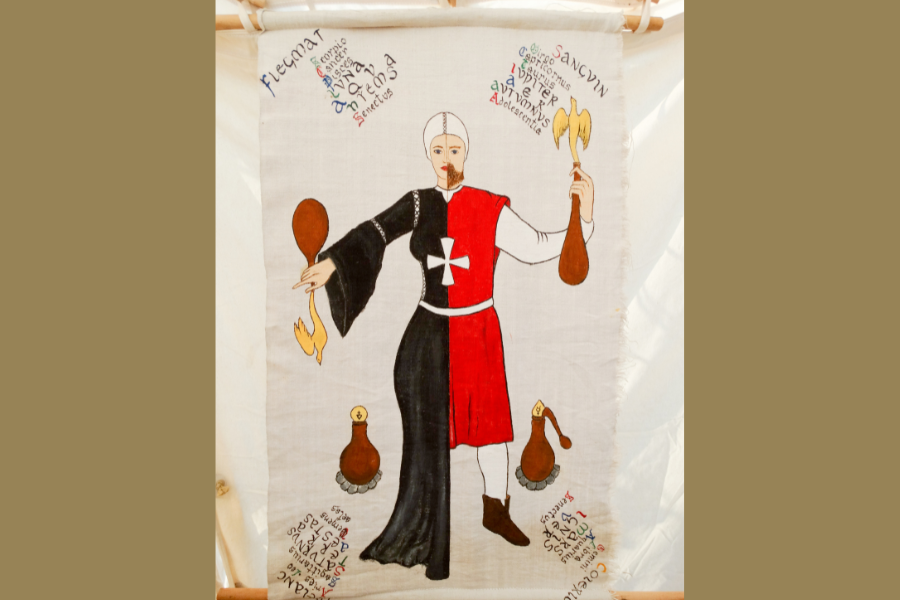
  • The Four Galenic Constitutional Types or the Four Humours

    Galenic medicine does not begin with a plant. It begins with a person. Before Charlemagne’s physicians reached for wormwood or sage, fennel or nettle, they looked at the person in front of them — and asked what kind of body this was. How did it run–hot or cold? How did it hold moisture or tend…


  • Essential Capitulare de Villis Plant List: All 73 Species Identified

    The botanical foundation of Carolingian herbalism: every plant in Chapter 70 of Charlemagne’s imperial estate ordinance, identified, classified, and set in Galenic context ~ the Capitulare de Villis Plant List. Evergreen Reference·Free PDF Download Below The Document Behind the Discipline The Capitulare de Villis vel Curtis Imperialibus — the “Ordinance Concerning the Royal Estates and…

  • Hildegard von Bingen’s Herbalism

    From Charlemagne to the 12th Century — and What Was Lost Between Hildegard von Bingen’s herbalism is perhaps the most frequently cited and least accurately understood figure in the contemporary Western herbalism revival. She appears on tea tins and wellness websites, her name attached to adaptogenic blends and ‘medieval wisdom’ skincare. She is claimed by…

  • Urtica dioica L. Stinging Nettle

    The Armored Inheritance — Part One: The Aerial Plant & the Spring Medicine This monograph is the first of two parts. Part One covers the aerial plant: botanical identity, historical record, Galenic and astral framework, phytochemistry of leaf and stem, the therapeutic use of urtication, and the spring medicine harvest calendar. Part Two — The…

  • Plant Intelligence Herbalism History: The Epistemology of Rupture

    “The plants have virtues hidden from us, and the physician who does not know them labours in the dark.” — attributed to Galen of Pergamon, 2nd century AD Something is circulating online — a clip, a quote, a breathless caption — claiming that your houseplant senses your arrival from two kilometres away. That it responds…

  • Before the Monks: The Gaulish Herbal Inheritance of the Creuse

    “The Druids make it their business to know many things by heart, and so they spend twenty years in training. They consider it improper to commit their doctrines to writing.” — Julius Caesar, De Bello Gallico VI.14 A Coin Hoard and a Question About Gaulish Herbal Inheritance At the beginning of the twentieth century, a farmer…

  • Foeniculum vulgare: A Jupiter Herb in a Saturn World

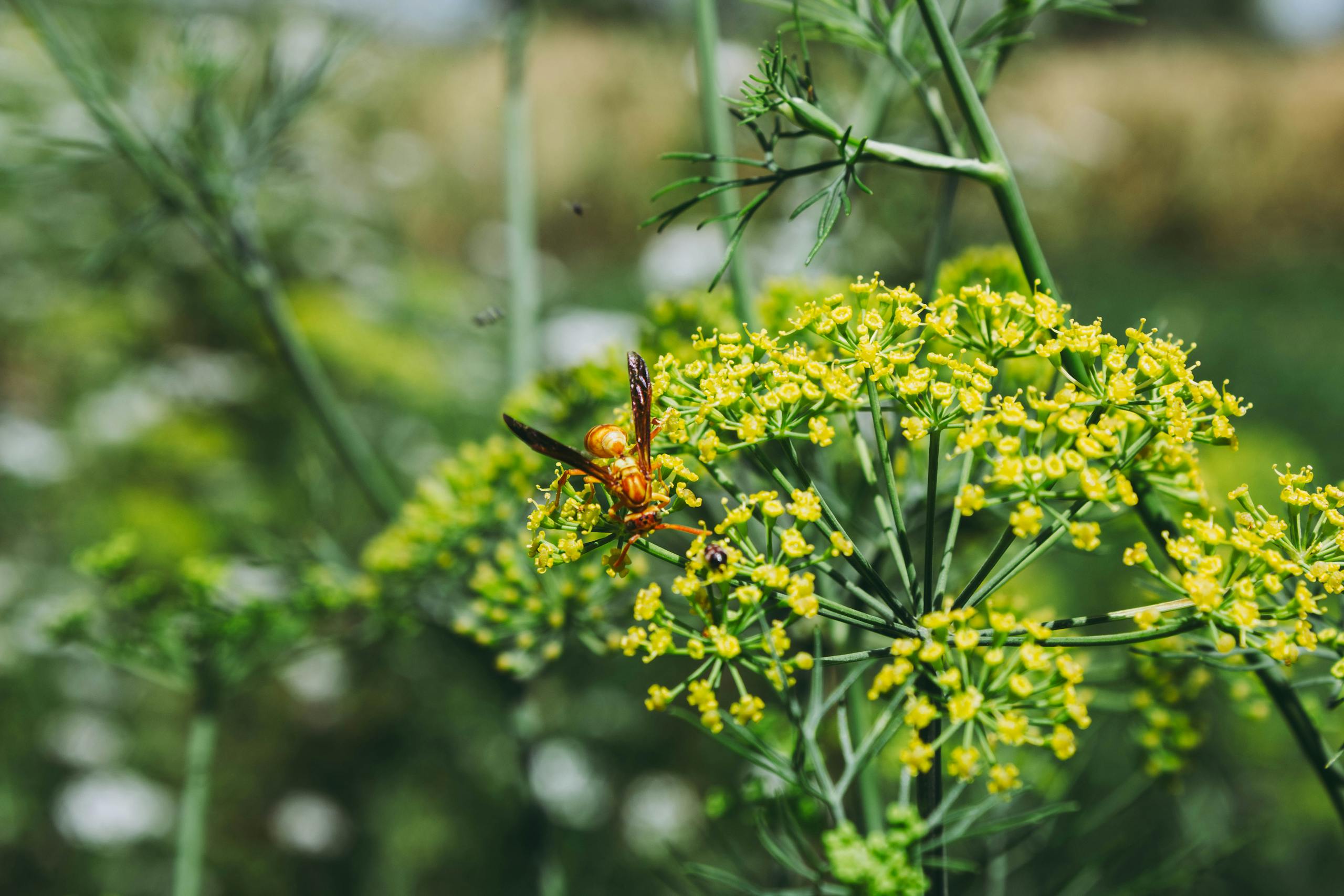
    If wormwood is Saturn’s great representative in the Carolingian garden — cold, austere, and uncompromising in its clinical work — then fennel is its counter-weight and complement: Jupiter’s herb, warm and expansive, the carminative that moves what bitterness has loosened, the digestive medicine that asks nothing difficult of the patient. Foeniculum vulgare has been in…

  • The Perpetual Vegetable Food Forest Charlemagne Already Knew

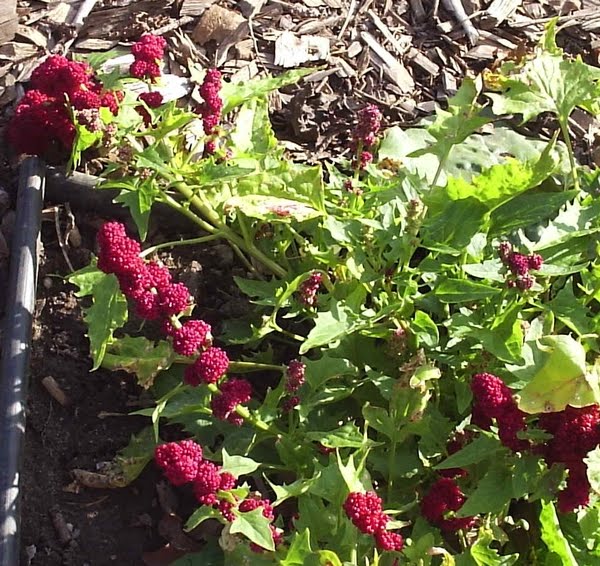
    Good King Henry, Strawberry Spinach, and the Medieval Logic of the Perpetual Vegetable Food Forest. The perpetual vegetable food forest movement is certain it has discovered something new. Plant once, harvest always — the perennial logic of abundance over extraction, of working with a plant’s nature rather than against it. It is a genuinely good…

  • What We Set in Motion: The Avalanche and the Imager

    On criticality, cascade, and what we set in motion Part II of a continuing meditation on being and calling The first thing to understand about an avalanche is that it does not begin with force. It begins with a threshold. What We Set In Motion A single crystal of snow shifts. On most slopes, on…