Author: Carolyn Smith-Kizer

  • GLP-1 Ozempic Herbal Alternatives? What Herbalism Actually Offers Instead

    Bitters, terrain, and the endocrine logic the Galenists already knew You’ve probably seen the phrase by now: “nature’s Ozempic.” It’s everywhere — wellness blogs, TikTok, the supplement aisle at your local pharmacy. Berberine is nature’s Ozempic. Psyllium husk is nature’s Ozempic. Apparently even inulin-rich chicory root is nature’s Ozempic. The implication is always the same:…
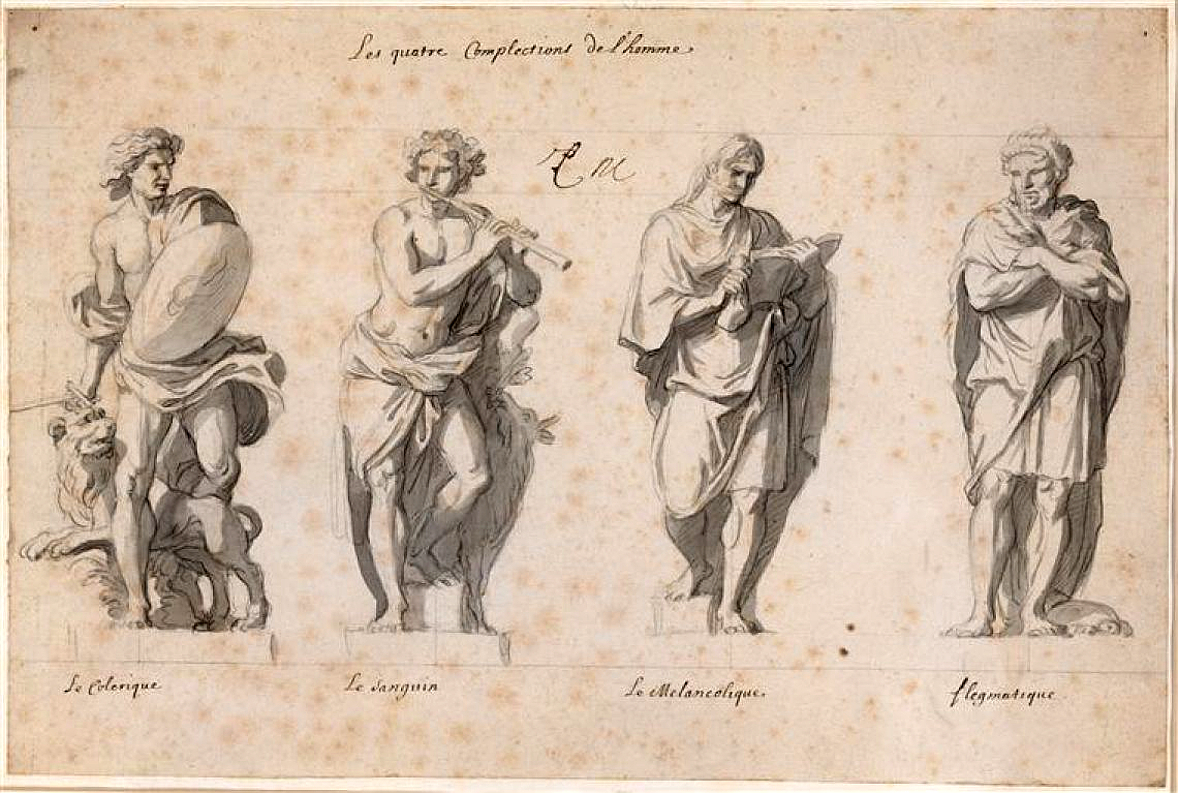
  • The Phlegmatic Constitution

    A Complete Diagnostic Guide You know this person. You may be this person. They move through the world at a slightly slower pace than everyone else — not out of laziness, but because their body is constitutionally oriented toward conservation rather than expenditure. They sleep well, perhaps too well. They run cold and damp: perpetually…

  • Artemisia absinthium L. Monograph: Wormwood

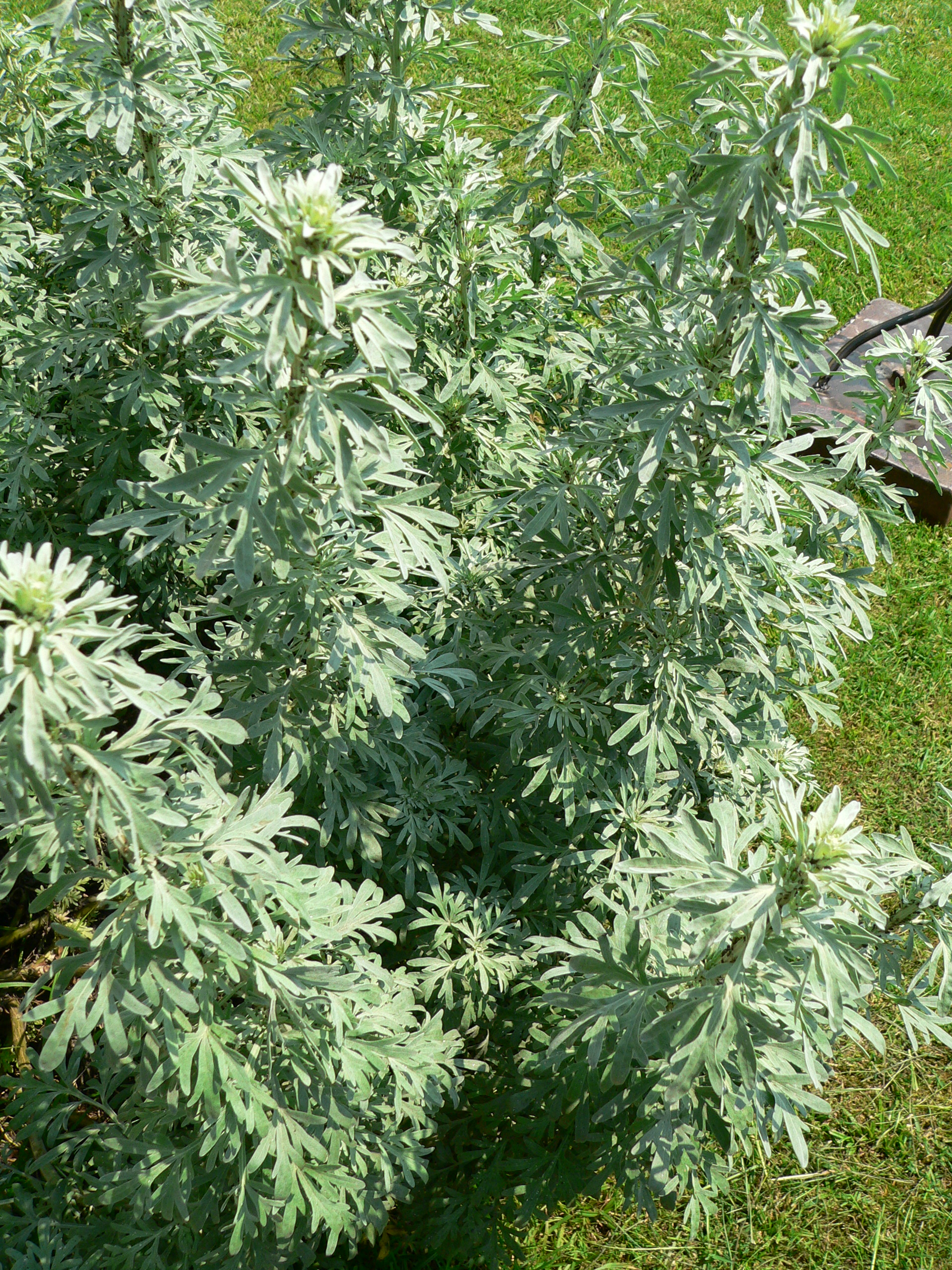
    Saturn’s Great Regulator ~ Absinthium in Carolingian Physic and Modern Practice Artemisia absinthium occupies an unusual position in the European materia medica: it is simultaneously one of the most ancient, most consistently described, and most persistently misunderstood plants in the clinical tradition. Its presence in the Carolingian garden is documented not in the administrative plant…

  • Salvia officinalis L. ~ Garden Sage Monograph

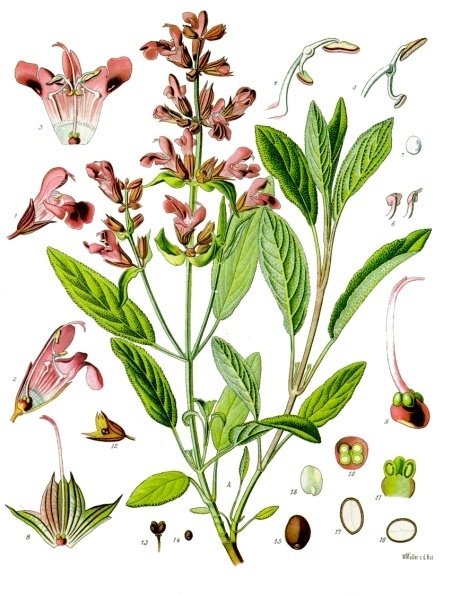
    Salvia officinalis has been cultivated in European medicinal gardens without interruption since at least the ninth century, when the Capitulare de Villis — Charlemagne’s imperial plant mandate — required it by name in every estate garden across the Frankish empire. It is listed in Chapter 70 alongside a carefully chosen roster of plants that the…

  • The Capitulare de Villis and the Lost Science of Constitutional Herbalism

    In the year 812, the Emperor Charlemagne issued a decree. It covered the administration of royal estates across the Frankish empire — their grain yields, their livestock, their accounting practices. Buried in the middle of this administrative document, in a section that most medieval historians have classed as a footnote, is a list of plants…