
Herbs to Grow in Your Garden: Fifteen Essentials
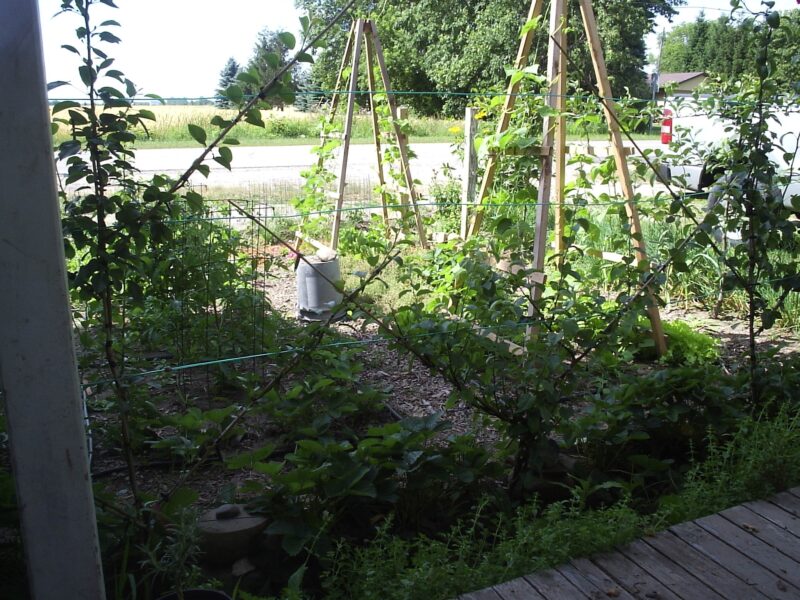
Above: the garden Homer Kizer built for me in Kinde, Michigan.
Some time around the year 800, Charlemagne’s court drew up a list of plants to be grown on every royal estate, and it is still a good guide to the herbs to grow in your garden. Sage, rosemary, lovage and fennel are all on it.1 A ruler with an empire to feed and an army to keep on its feet wanted useful plants within reach, and that is still the best reason to grow herbs.
This post includes affiliate links. As an Amazon Associate I earn from qualifying purchases. Click here for my full disclosure policy.
This guide covers fifteen herbs that earn their place in a home garden. For each one you will find how to grow it, how it is traditionally used, and the caution worth knowing before you use it. If you are new to herbs, read How to Start Using Herbs Safely as well.
Why Grow Your Own
- You know what you have. Homegrown herbs have no hidden fillers, and you decide what goes on the soil.
- You get to know the plant. Watching a herb through a full year teaches you more than any label: how it smells in the morning, when it flowers, what it does after rain.
- It saves money. A single sage plant gives more leaves in a summer than most households can use.
- Your garden feeds the bees. Most of the herbs below are generous with nectar.
The Fifteen Herbs
Garden Sage (Salvia officinalis)
Grow: Woody perennial. Full sun, poor and very well-drained soil. Hardy in most of France.
Part used: Leaves
Energetics: Warm, dry
Traditional uses: A gargle for the throat; a digestive with rich food
Cautions: Contains thujone. Avoid large amounts over long periods, and avoid it as a tea or supplement in pregnancy.
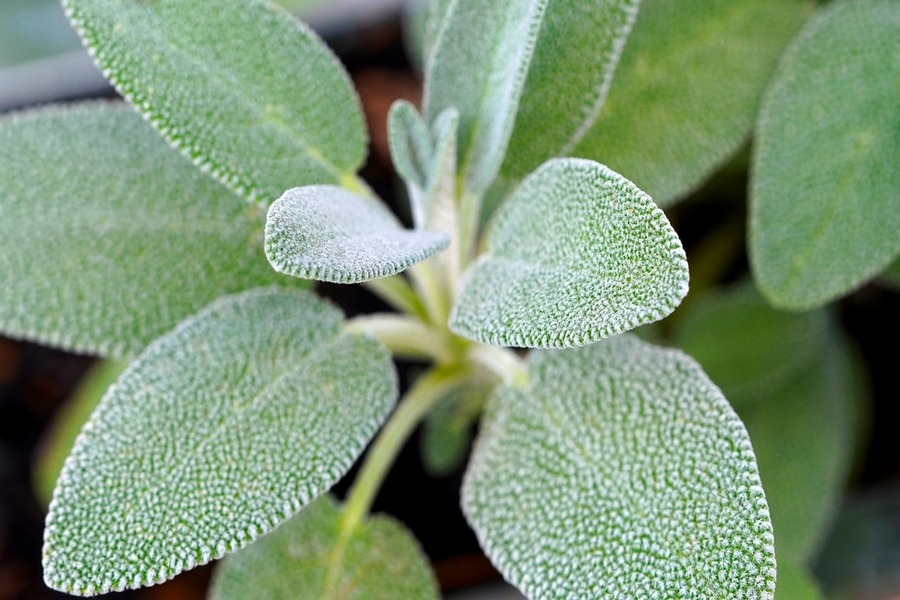
Sage is on Charlemagne’s list,1 and it comes first in the little garden poem of Walafrid Strabo, abbot of Reichenau, who wrote: “There in the very front glows sage, sweetly scented.”2 Cut it back by about a third after flowering to keep it bushy rather than woody. My sage monograph covers its uses in depth.
Rosemary (Salvia rosmarinus)
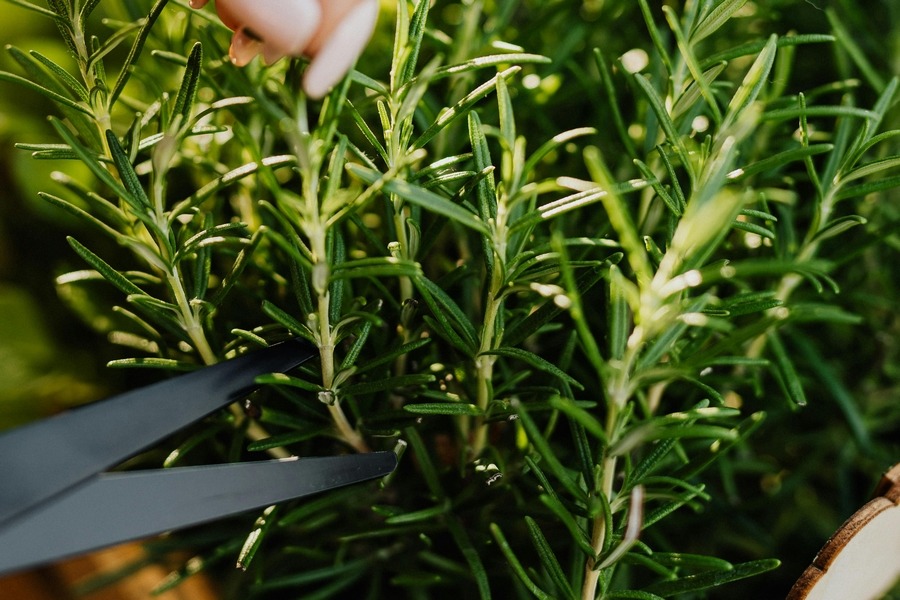
Grow: Evergreen shrub. Full sun, sharp drainage, shelter from cold wet winds. Hates wet feet in winter.
Part used: Leaves
Energetics: Warm, dry
Traditional uses: A warming kitchen herb; a stimulating tea; a hair rinse
Cautions: Culinary amounts are fine. Avoid concentrated oil internally, and avoid large amounts in pregnancy.
Rosemary is on Charlemagne’s list too.1 Botanists recently moved it into the sage genus, so you may see it labelled Rosmarinus officinalis in older books. In a Creuse winter it needs a sheltered, sunny wall and gritty soil, or a pot you can move under cover.
Fennel (Foeniculum vulgare)
Grow: Tall perennial, often grown as a biennial. Full sun, well-drained soil. Self-seeds freely.
Part used: Seeds, leaves
Energetics: Warm, dry
Traditional uses: Seeds chewed or brewed after meals for gas and bloating
Cautions: Avoid concentrated fennel oil. Ask your doctor before using it as a supplement in pregnancy.
Another of Charlemagne’s plants.1 Keep it away from dill, or the two will cross. Cut the seed heads when they turn from green to brown and dry them in a paper bag. My fennel monograph has the details.
Lovage (Levisticum officinale)
Grow: Large, long-lived perennial, up to two metres. Sun or light shade, rich, moist soil.
Part used: Leaves, seeds, root
Energetics: Warm, dry
Traditional uses: A celery-flavoured pot herb; a warming digestive
Cautions: Use as a food herb. Ask your doctor before using it beyond the kitchen in pregnancy or with kidney problems.
Lovage was on Charlemagne’s list as levisticum.1 One plant is enough for most families. Use the young leaves in soups and stews wherever you would use celery.
Peppermint (Mentha × piperita)
Grow: Spreading perennial. Sun or part shade, moist soil. Grow it in a pot or a sunk bucket, or it will take over.
Part used: Leaves
Energetics: Cool, dry
Traditional uses: An after-dinner tea that settles the stomach
Cautions: Can worsen heartburn. Concentrated peppermint oil is far stronger than the tea.
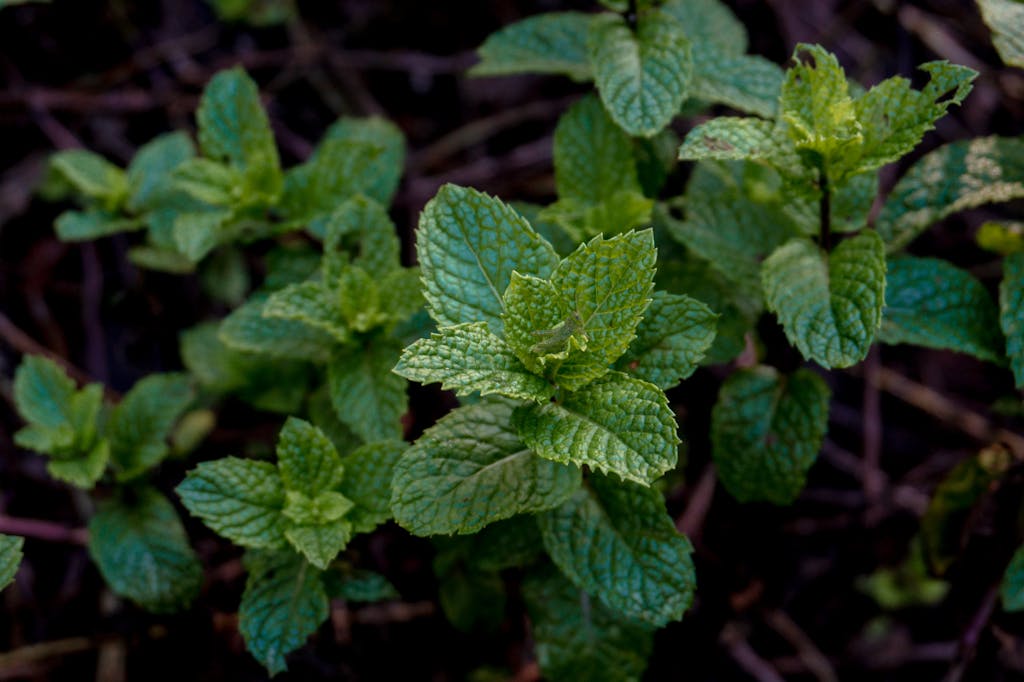
Mints of several kinds were grown on Charlemagne’s estates.1 Peppermint tea appears to be safe for most people; the concentrated oil can cause heartburn and nausea.3 Cut it hard in midsummer for a second flush of fresh leaves.
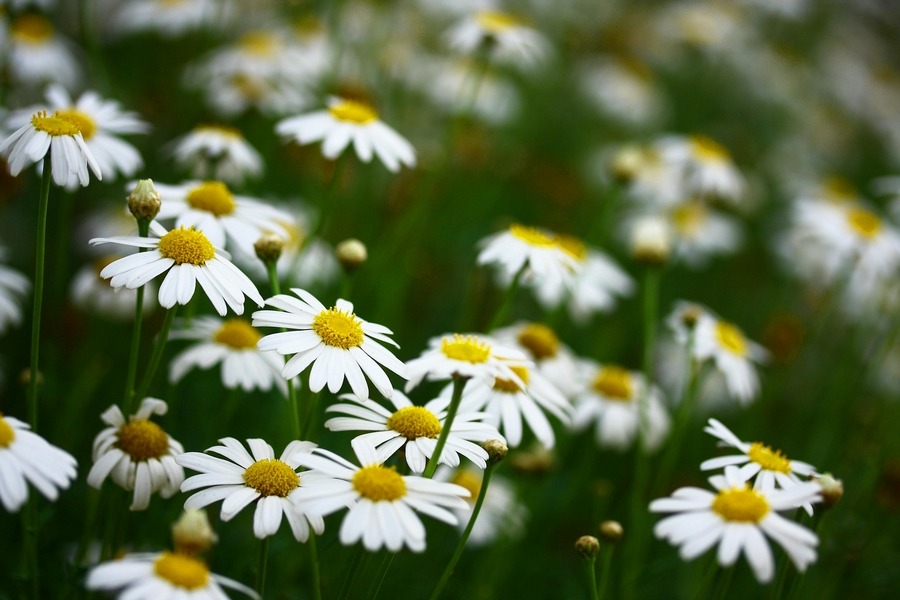
Chamomile (Matricaria chamomilla)
Grow: Annual. Full sun, ordinary soil. Sow on the surface in spring; it self-seeds once established.
Part used: Flowers
Energetics: Cool, dry
Traditional uses: A calming evening tea; settles the stomach
Cautions: People allergic to ragweed, chrysanthemums, marigolds or daisies may react. Interactions with warfarin have been reported.
Chamomile belongs to the daisy family, so anyone allergic to its relatives should take care, and interactions with warfarin have been reported.4 Pick the flowers on a dry morning when the petals are fully open, and keep picking every few days through summer. My chamomile monograph has more.
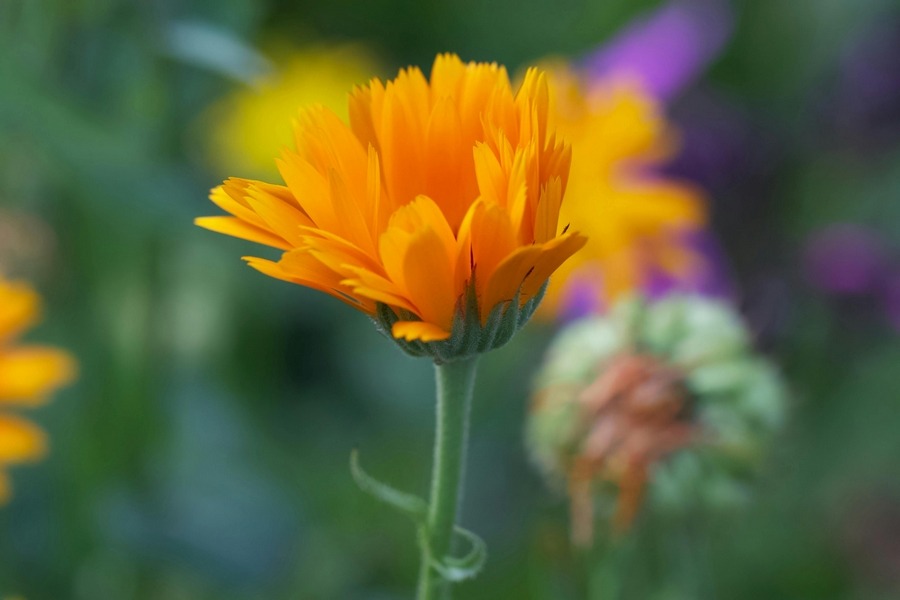
Calendula (Calendula officinalis)
Grow: Hardy annual. Full sun, any soil. Self-seeds generously.
Part used: Flowers
Energetics: Slightly warm, dry
Traditional uses: Infused oil and salves for the skin; petals in salads
Cautions: A daisy-family plant, so take care with ragweed-type allergies. Avoid internal use in pregnancy.
Deadhead often and it will flower from June until the first hard frost. Dry the whole flower heads, not just the petals, for oils and salves. My calendula monograph covers it fully.
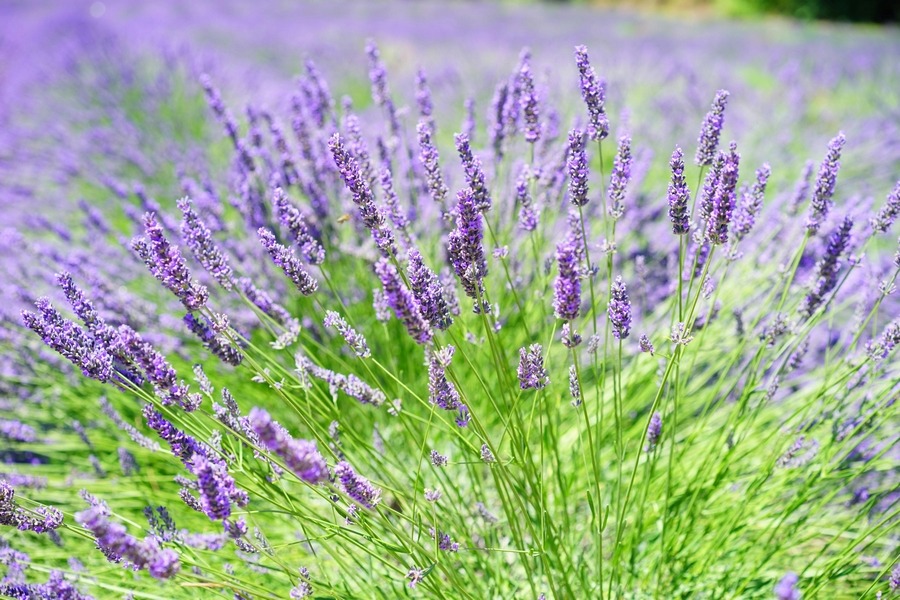
Lavender (Lavandula angustifolia)
Grow: Small shrub. Full sun, poor, very well-drained soil. Trim after flowering, never into old wood.
Part used: Flowers
Energetics: Cool, dry
Traditional uses: Sachets and pillows for calm and sleep; a scented bath
Cautions: Can cause skin reactions in some people. Little is known about its safety in pregnancy.
True or English lavender is the hardiest, and the best for the stillroom. Topical lavender products can cause allergic skin reactions in some people, and its safety in pregnancy is not well established.5
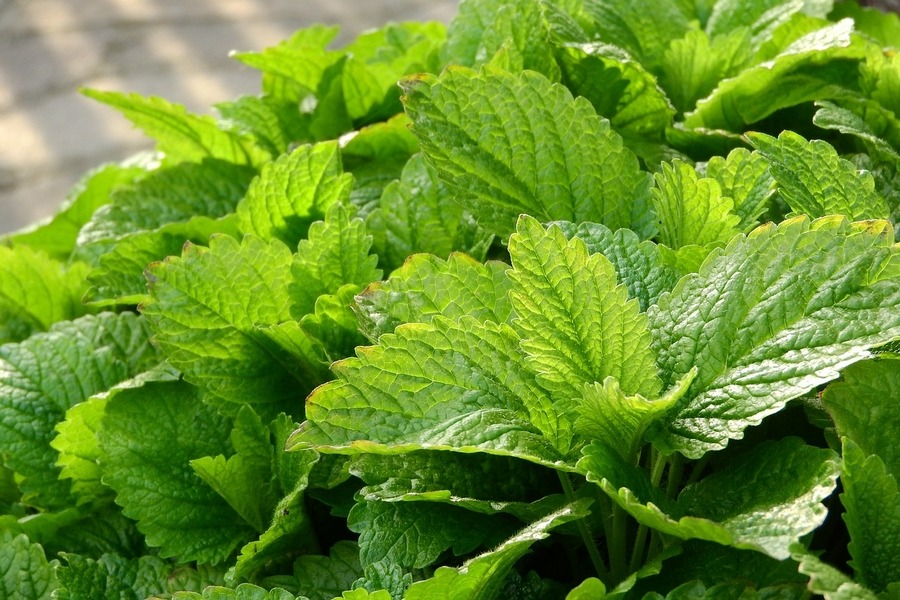
Lemon Balm (Melissa officinalis)
Grow: Bushy perennial. Sun or part shade, most soils. Cut before it sets seed, or it will seed everywhere.
Part used: Leaves
Energetics: Cool, dry
Traditional uses: A calming, cheering tea; a favourite of bees
Cautions: Generally gentle. Little is known about its safety in pregnancy, so ask first.
Its Latin name comes from the Greek for “bee,” and beekeepers once rubbed it inside empty hives to attract a swarm. Use the leaves fresh where you can, because much of the scent is lost in drying.
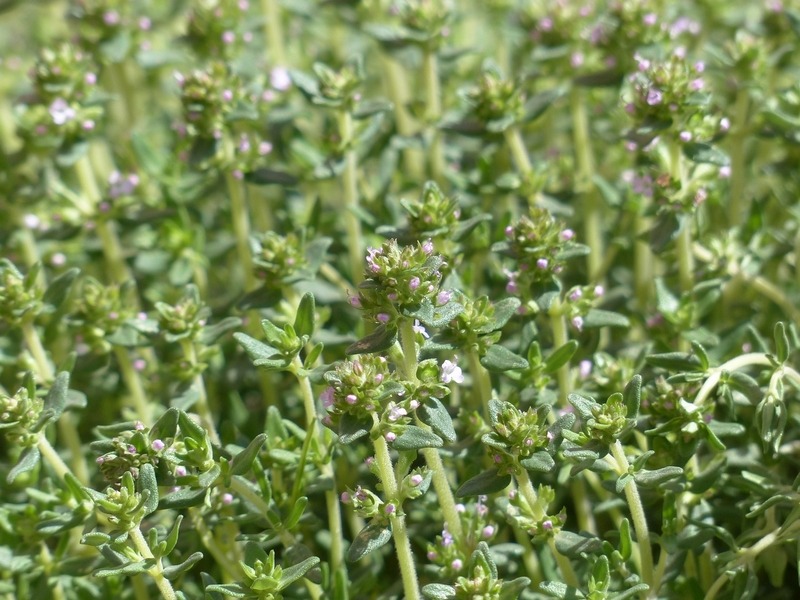
Thyme (Thymus vulgaris)
Grow: Low evergreen shrub. Full sun, poor, gritty soil. Replace plants every few years as they go woody.
Part used: Leaves, flowering tops
Energetics: Warm, dry
Traditional uses: A warming tea for the chest; a kitchen staple
Cautions: Culinary and tea amounts are fine. Avoid the concentrated oil internally, and avoid large amounts in pregnancy.
Thyme is happiest in the poorest, driest corner of the garden. Harvest just as it begins to flower, when the scent is strongest.
St. John’s Wort (Hypericum perforatum)
Grow: Perennial. Full sun, ordinary soil. Spreads by runners and seed.
Part used: Flowering tops
Energetics: Warm, dry
Traditional uses: A red infused oil for the skin; a nervine tea for low mood
Cautions: Interacts dangerously with many medications, including antidepressants, birth control pills and blood thinners. Can cause severe skin reactions in sunlight.
A lovely plant to grow and a serious one to take. St. John’s wort can weaken many important medications, and large doses can cause severe skin reactions after sun exposure.6 Never take it internally without checking with your doctor or pharmacist. My herb–drug interactions guide explains why.
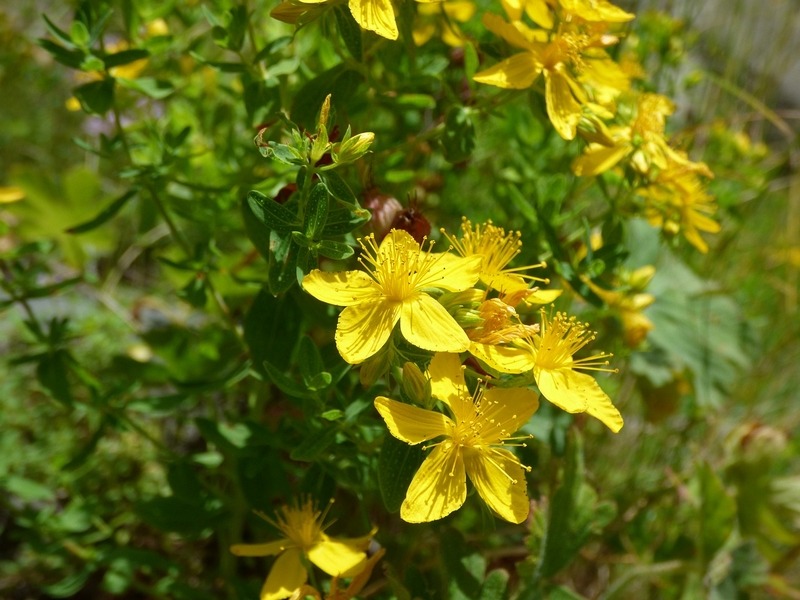
In parts of the American West it escaped into rangeland and became a troublesome weed, so check your local rules before planting it there.
Valerian (Valeriana officinalis)
Grow: Tall perennial. Sun or part shade, moist soil. Cats love the roots.
Part used: Root
Energetics: Warm, dry
Traditional uses: A bedtime tea or tincture to support sleep
Cautions: Do not combine with alcohol or sedatives. Can cause headache, stomach upset or vivid dreams. Little is known about its safety in pregnancy.
Dig the roots in autumn of the second year. They smell strongly, and not pleasantly, once dried. Valerian should not be taken with alcohol or sedatives, and very rare liver injuries have been reported, mostly with herbal mixtures.7
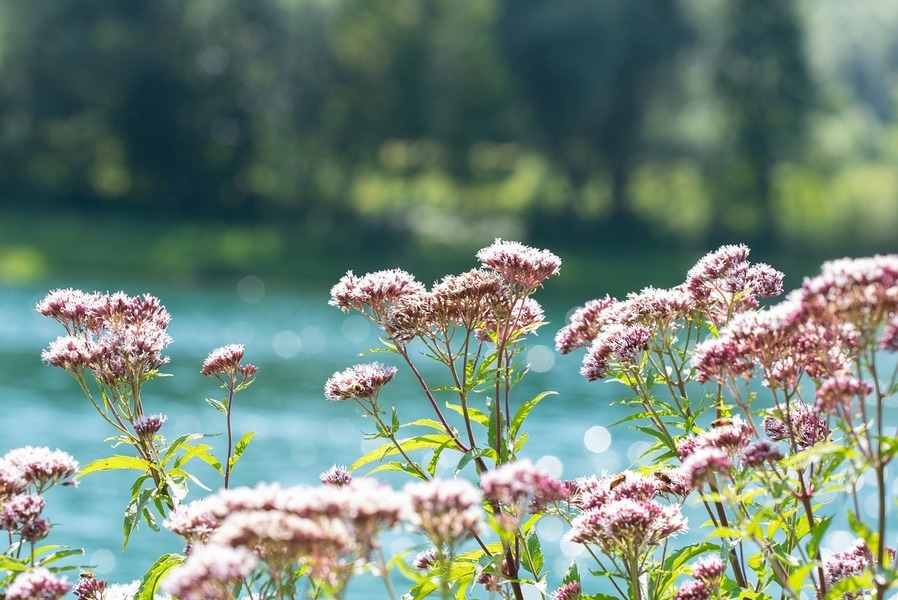
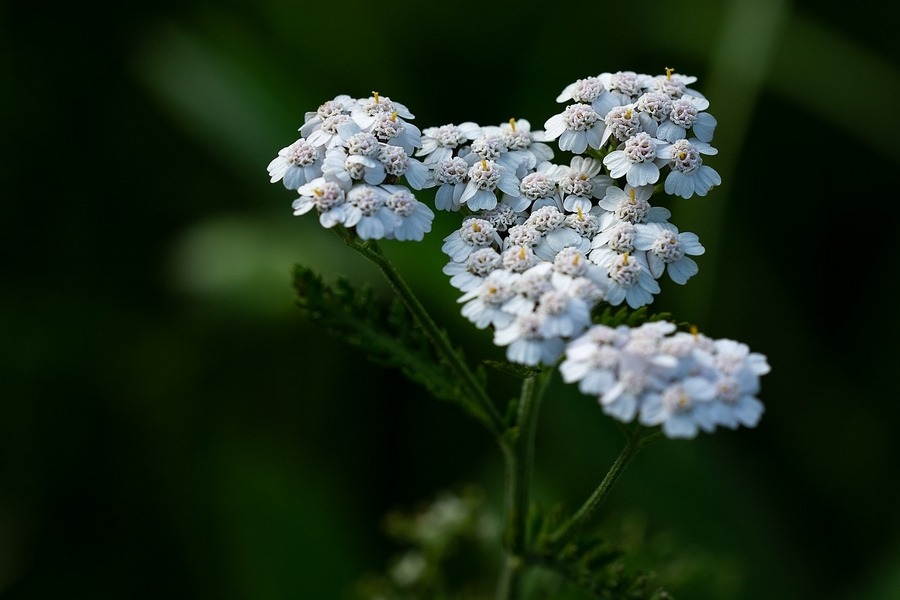
Yarrow (Achillea millefolium)
Grow: Spreading perennial. Full sun, poor soil. Very drought-tolerant.
Part used: Flowering tops
Energetics: Cool, dry
Traditional uses: A field dressing for cuts; a sweating tea at the start of a chill
Cautions: A daisy-family plant, so take care with ragweed-type allergies. Avoid in pregnancy.
Its name honours Achilles, who in legend dressed his soldiers’ wounds with it. Grow the plain white wild form for the stillroom rather than the coloured garden varieties.
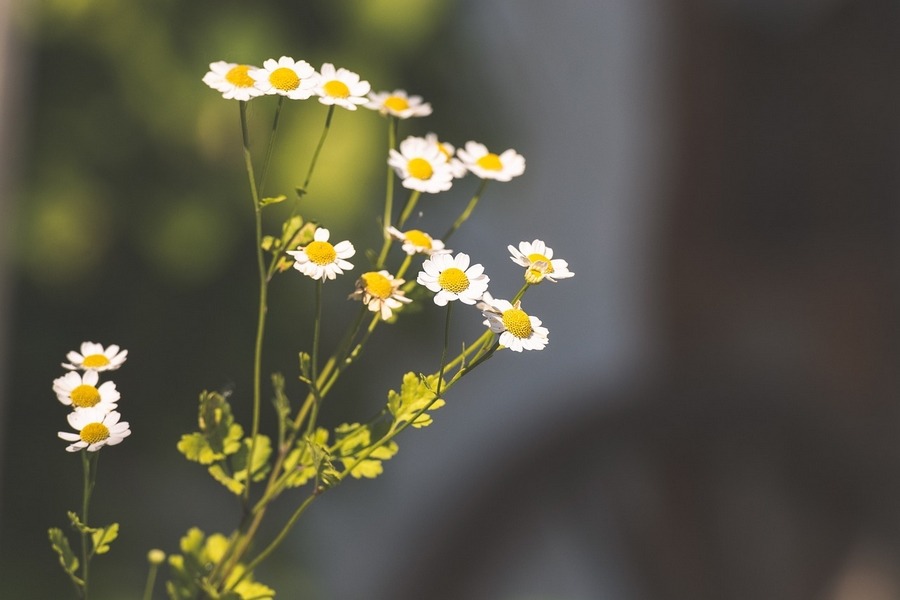
Feverfew (Tanacetum parthenium)
Grow: Short-lived perennial. Sun or part shade, any well-drained soil. Self-seeds readily.
Part used: Leaves
Energetics: Cool, dry
Traditional uses: Fresh leaves eaten daily, traditionally for headaches
Cautions: Not in pregnancy. May slow blood clotting, so stop at least two weeks before surgery. Can cause mouth sores when chewed fresh.
Feverfew should not be taken in pregnancy, because it may affect uterine contractions, and it may slow blood clotting.8 People sensitive to ragweed may react to it as well.8
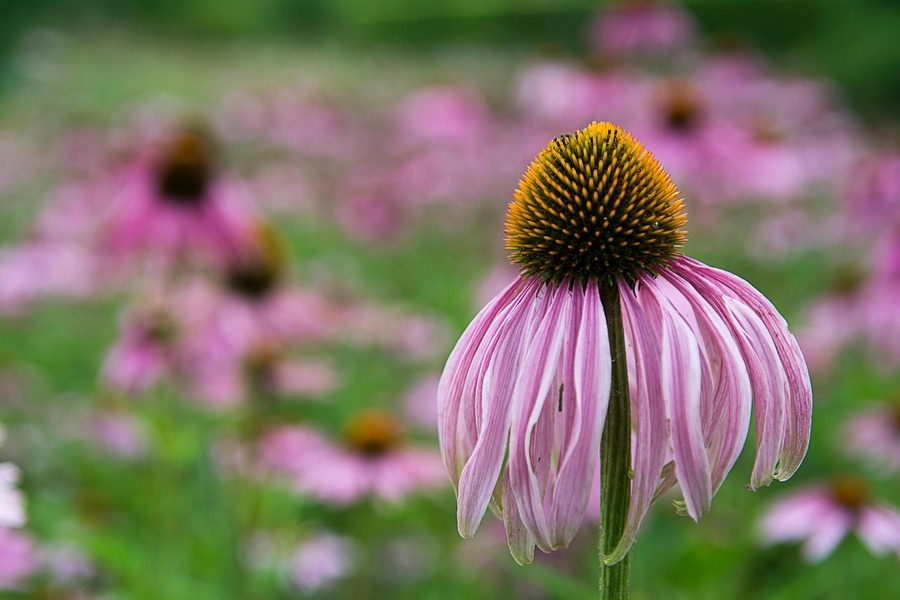
Echinacea (Echinacea purpurea)
Grow: Perennial. Full sun, well-drained soil. Slow to establish, then long-lived.
Part used: Root, flowering tops
Energetics: Cool, dry
Traditional uses: A tincture at the first sign of a cold
Cautions: Allergic reactions can be severe, especially in children. Ask your doctor first if you take drugs that suppress the immune system.
A North American prairie plant, so not one Charlemagne would have known, but it grows well in French gardens. Its most common side effects are digestive, and some people have severe allergic reactions to it.9 Wait until plants are three years old before digging any root.
Short on space? Consider container gardening!
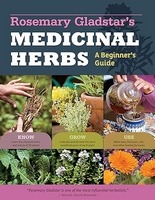
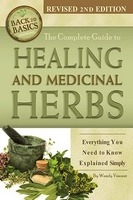
Suggested Gardening Books
Growing Tips That Apply to All Fifteen
- Give the Mediterranean herbs sun and drainage. Sage, rosemary, thyme and lavender die of wet winters far more often than of cold ones.
- Keep spreaders contained. Mint, lemon balm and St. John’s wort will roam if you let them.
- Skip chemical sprays entirely. You are growing plants to put in your body. Compost and a mixed planting do most of the work.
- Harvest on a dry morning, after the dew has gone and before the midday sun drives off the scent.
- Dry herbs in the shade, in small bundles or on screens, then store them in labelled glass jars away from light.
For a full planting layout, see How to Create a Herb Garden Plan. For what to do with your harvest, see The Stillroom: Five Traditional Herbal Preparations and Making Herbal Tinctures at Home.
Making Herbal Preparations at Home
Supplies
- Pint and Quart Size Canning Jars With Lids (Check Thrift Stores)
- Cheesecloth
- Mesh strainer
- Graduated cylinders
- Knives
- Cutting boards
- Large bowls I prefer stainless steel
- Funnel for filling your tincture bottles
- Natural waxed paper for putting between lid and jar to protect metal lid
- A kitchen scale for accurate measurements
- A mortar and pestle for grinding herbs
- Set of glass jars for storing dried herbs and tinctures
- Good quality tea infuser
- Double boiler for making salves and infused oils are valuable additions.
- Small 1 or 2-ounce glass bottles – ideally dark-colored glass
- Raw wildflower honey – local is best
- Apple cider vinegar ~ raw, unfiltered apple cider vinegar is best because it contains enzymes, proteins, and beneficial bacteria
- Olive oil ~ cold pressed, extra virgin
- Glycerin ~ food grade
- High proof brandy or vodka ~ For the majority of tinctures made using dried herbs, any type of alcohol (vodka, brandy, whiskey, gin, etc.) that has a 40-50% alcohol content will suffice (Herbal Academy Blog).
Frequently Asked Questions
Which herbs are easiest for a beginner to grow?
Calendula, chamomile, lemon balm and mint are almost impossible to fail with. Sage and thyme are easy too, as long as the soil drains well.
Can I grow these herbs in pots?
Most of them, yes. Mint, thyme, sage, rosemary, lavender and lemon balm all do well in containers. Lovage, fennel and valerian are too large for most pots.
When should I harvest?
Leaves are usually best just before the plant flowers. Flowers are best just after they open. Roots are dug in autumn, once the top growth has died back.
Is a herb safe just because I grew it myself?
No. Growing a plant does not change what it does in the body. Check the cautions above, and talk to your doctor or pharmacist if you take any medication.
A Garden Worth Keeping
Charlemagne’s stewards were told what to plant, but they still had to learn each plant by growing it. That is the real gift of a herb garden: the knowledge comes up with the leaves, one season at a time.
© 2024 Carolyn Smith-Kizer
If this work is useful to you, you can buy me a coffee — buymeacoffee.com/cskizer

Notes
- “Capitulare de villis,” c. 70, in Capitularia regum Francorum, ed. Alfred Boretius, vol. 1, Monumenta Germaniae Historica, Leges, sec. 2 (Hannover: Hahn, 1883), no. 32.
- Walahfrid Strabo, Hortulus, trans. Raef Payne, commentary by Wilfrid Blunt (Pittsburgh: Hunt Botanical Library, 1966).
- National Center for Complementary and Integrative Health, “Peppermint Oil,” NCCIH Herbs at a Glance, accessed October 15, 2026, https://www.nccih.nih.gov/health/peppermint-oil.
- National Center for Complementary and Integrative Health, “Chamomile,” NCCIH Herbs at a Glance, accessed October 15, 2026, https://www.nccih.nih.gov/health/chamomile.
- National Center for Complementary and Integrative Health, “Lavender,” NCCIH Herbs at a Glance, accessed October 15, 2026, https://www.nccih.nih.gov/health/lavender.
- National Center for Complementary and Integrative Health, “St. John’s Wort,” NCCIH Herbs at a Glance, accessed October 15, 2026, https://www.nccih.nih.gov/health/st-johns-wort.
- National Center for Complementary and Integrative Health, “Valerian,” NCCIH Herbs at a Glance, accessed October 15, 2026, https://www.nccih.nih.gov/health/valerian.
- National Center for Complementary and Integrative Health, “Feverfew,” NCCIH Herbs at a Glance, accessed October 15, 2026, https://www.nccih.nih.gov/health/feverfew.
- National Center for Complementary and Integrative Health, “Echinacea,” NCCIH Herbs at a Glance, accessed October 15, 2026, https://www.nccih.nih.gov/health/echinacea.