
Matricaria chamomilla L.: Herbal Monograph
Matricaria chamomilla L., German chamomile, is a cooling, gently drying flower. This herbal monograph sets out its botany, energetics, constituents, traditional uses and cautions, with references.
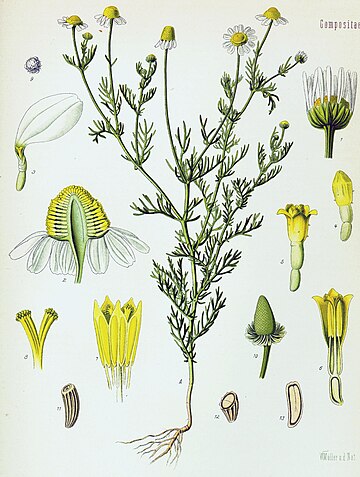
Family
Asteraceae
Actions
Carminative, antispasmodic, anti-inflammatory, anxiolytic, vulnerary (McKay & Blumberg, 2006)
Energetics
Cooling, slightly drying (Holmes, 1997)
Chemical Constituents
- Essential oil (α-bisabolol, chamazulene, farnesene)
- Flavonoids (apigenin, luteolin, quercetin)
- Coumarins (herniarin, umbelliferone)
- Sesquiterpenes (matricin, which converts to chamazulene)
- Polysaccharides
- Phenolic compounds
The essential oil components, particularly α-bisabolol and chamazulene, along with the flavonoid apigenin, are considered primary active compounds responsible for many of German chamomile‘s biological activities (Srivastava et al., 2010).
Part of Plant Used
Flower heads
Uses
- Supports digestive health
- Promotes relaxation and sleep
- Supports healthy inflammatory response
- Promotes skin health
- Supports menstrual wellness
- Promotes oral health
A comprehensive review by Miraj & Alesaeidi (2016) highlighted German chamomile’s potential in supporting various aspects of health, particularly in digestive and nervous system wellness.
Contraindications
- Known allergy to plants in the Asteraceae family
- Pregnancy (in large medicinal doses)
Side Effects
- Rare allergic reactions
- Potential for mild sedation at high doses
While generally well-tolerated, these side effects have been noted in some individuals (Srivastava et al., 2010).
Interactions with Other Drugs
- May interact with sedative preparations
- May interact with blood-thinning preparations
- Theoretical interaction with hormone therapies
Caution is advised when combining German chamomile with these types of preparations due to potential interactions (Chevallier, 2016).
Dosage
- Tea: 1-4 grams of dried flower heads per cup of boiling water, steeped for 5-10 minutes, up to 3-4 times daily
- Fluid extract (1:1): 1-4 mL, three times daily
- Dry extract (4:1): 300-400 mg, three times daily
Clinical studies have used a wide range of doses, typically 220-1500 mg of chamomile extract daily for various applications (Amsterdam et al., 2009).
Mode of Administration
Oral consumption as tea, capsules, or liquid extract. Topical application in creams, ointments, or as a wash.
Duration of Administration
Can be used long-term when consumed in food amounts. For therapeutic use, consult with a qualified herbalist.
Risks
- Potential for allergic reactions in individuals sensitive to plants in the Asteraceae family
- Theoretical risk of increased bleeding at high doses
- May cause drowsiness in some individuals
A review by Srivastava et al. (2010) emphasized the importance of considering individual sensitivities when using German chamomile, particularly for those with plant allergies.
Recipes
- Calming Chamomile Tea
- 1-2 teaspoons dried chamomile flowers
- 1 cup boiling water
- Honey to taste (optional)
Steep for 5-10 minutes, strain, and enjoy.
- Chamomile Sleep Tincture
- 1 part chamomile tincture
- 1 part lemon balm tincture
- 1 part passionflower tincture
Mix equal parts of tinctures. Take 2-3 mL before bedtime.
- Soothing Skin Compress
- 2 tablespoons dried chamomile flowers
- 1 cup hot water
Steep for 10 minutes, strain. Soak a clean cloth in the liquid and apply to affected skin areas.
Beyond the Bedtime Cup
Brewing: chamomile’s virtue is in its volatile oil, so always steep it covered. Lift the lid and you can watch the goodness escape in the steam. For digestion, drink it between meals or about half an hour before eating (Chevallier, 2016).
For the skin
- Face mist: cool a strong cup of chamomile tea and keep it in a spray bottle in the refrigerator.
- Honey mask: mix 2 tablespoons of strong chamomile tea with 1 tablespoon of honey. Leave it on for 10–15 minutes.
- Infused body oil: 20 g dried flowers to 250 ml sweet almond or jojoba oil. Steep for 4–6 weeks in a cool, dark place, or warm gently for a few hours. Strain and bottle.
Nervine blends: chamomile with lemon balm and lavender for the end of the day. For worry that won’t let go, add passionflower.
Remember to always consult with a qualified herbalist before incorporating new herbs into your wellness routine, especially if you have existing health concerns or are taking other preparations.
Return to: A Wise Woman’s Guide to Reducing Inflammation with Herbs, Foods, and Lifestyle
© 2024 Carolyn Smith-Kizer
If this work is useful to you, you can buy me a coffee — buymeacoffee.com/cskizer

References
Amsterdam, J. D., Li, Y., Soeller, I., Rockwell, K., Mao, J. J., & Shults, J. (2009). A randomized, double-blind, placebo-controlled trial of oral Matricaria recutita (chamomile) extract therapy for generalized anxiety disorder. Journal of Clinical Psychopharmacology, 29(4), 378-382. https://doi.org/10.1097/JCP.0b013e3181ac935c
Chevallier, A. (2016). Encyclopedia of Herbal Medicine: 550 Herbs and Remedies for Common Ailments. DK Publishing.
Holmes, P. (1997). The energetics of Western herbs: Treatment strategies integrating Western and Oriental herbal medicine (3rd ed.). Snow Lotus Press.
McKay, D. L., & Blumberg, J. B. (2006). A review of the bioactivity and potential health benefits of chamomile tea (Matricaria recutita L.). Phytotherapy Research, 20(7), 519-530. https://doi.org/10.1002/ptr.1900
Miraj, S., & Alesaeidi, S. (2016). A systematic review study of therapeutic effects of Matricaria recuitta chamomile. Electronic Physician, 8(9), 3024-3031. https://doi.org/10.19082/3024
Srivastava, J. K., Shankar, E., & Gupta, S. (2010). Chamomile: A herbal medicine of the past with bright future. Molecular Medicine Reports, 3(6), 895-901. https://doi.org/10.3892/mmr.2010.377