
The Anti-Inflammatory Herbs: A Galenic Field Guide
“Inflammation” is the most fashionable word in modern health writing, and one of the oldest ideas in the history of physic. Nearly two thousand years ago the Roman writer Celsus set down its four signs in a single line that physicians still quote: rubor et tumor cum calore et dolore, redness and swelling, with heat and pain.1 The Galenic physicians who followed him understood it as an inflow of hot blood and humours into a part of the body that could not carry them away again.
That older view holds something modern writing usually forgets. Not every swelling is hot. A red, throbbing, angry joint is one thing; a cold, puffy, stiff ankle that aches in damp weather is quite another. The first needs cooling and calming. The second needs warming, moving and drying. The same “anti-inflammatory herb” cannot be right for both.
This guide gathers the anti-inflammatory herbs I write about on At Charlemagne’s Behest, reads each one by its temperament, and points you to its full monograph.
Hot Inflammation and Cold Inflammation
- Hot inflammation (the choleric and sanguine picture): red, hot, throbbing, quick to flare. Think of a fresh sprain, a flaring joint, an angry skin rash, a fever. It calls for cooling, calming, astringent herbs.
- Cold inflammation (the phlegmatic and melancholic picture): pale, puffy or stiff, worse in cold and damp, slow to change. Think of old aching joints, fluid that pools in the ankles, the stiffness of a cold morning. It calls for warming, moving, drying herbs that bring circulation back to a sluggish part.
Most of the famous “anti-inflammatory” spices (turmeric, ginger, cayenne, rosemary) are warming. That is why they suit cold, stiff, chronic conditions so well, and why they can sometimes aggravate a hot, angry flare. If you are new to the four temperaments, start with The Four Galenic Constitutional Types.
The Herbs at a Glance
| Herb | Temperament | Best suited to |
|---|---|---|
| Turmeric | Warm, dry, bitter | Cold, stiff joints; a sluggish liver and digestion |
| Ginger | Hot, dry | Cold aches, poor circulation, cold digestion |
| Cayenne | Hot and dry in the highest degree | Cold extremities; external use for stiff joints |
| Rosemary | Warm, dry | Cold, damp, sluggish types; circulation |
| Garlic | Hot, dry | Cold, damp, catarrhal constitutions |
| Cinnamon | Warm, dry | Cold digestion; cold hands and feet |
| Boswellia | Warming, drying | Chronic joint stiffness |
| Holy basil | Warm, dry | Inflammation driven by long stress; phlegmatic types |
| Nettle | Warm, dry | Spring stiffness, fluid retention, phlegmatic accumulation |
| Green tea | Cool, dry | Hotter constitutions; everyday support |
| Chamomile | Gentle, relaxing (cooling in modern energetics) | Hot, irritable flares; inflamed digestion |
| Calendula | Cleansing, drying | Skin and wounds (external use) |
| White willow bark | Cool, dry, bitter | Hot aching joints and back pain |
The Warming Herbs: For Cold, Stiff, Long-Standing Conditions
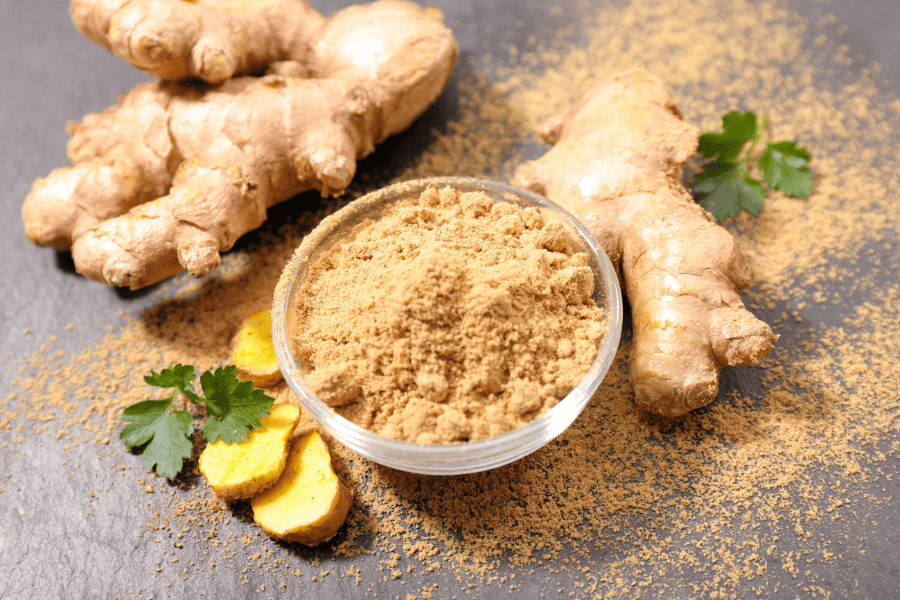
Turmeric is the best studied of all. A meta-analysis of randomised trials found that turmeric extracts reduced arthritis pain and stiffness over eight to twelve weeks.2 It is warming, drying and bitter, and it opens a slow liver; take it in food, with fat and black pepper. Boswellia, the frankincense resin, works on a different inflammatory pathway, and in knee osteoarthritis turmeric and boswellia together did better than turmeric alone.3
Ginger and cayenne are the circulation herbs, driving warmth out to cold hands, feet and stiff joints; cayenne is especially useful applied to the skin. Rosemary, garlic and cinnamon belong in the daily kitchen of anyone who runs cold and damp. Holy basil suits inflammation that seems to follow long strain and poor sleep. Nettle is the great spring herb for the stiffness and puffiness that winter leaves behind; see the Galenic Spring Protocol.
The Cooling Herbs: For Hot, Angry Flares
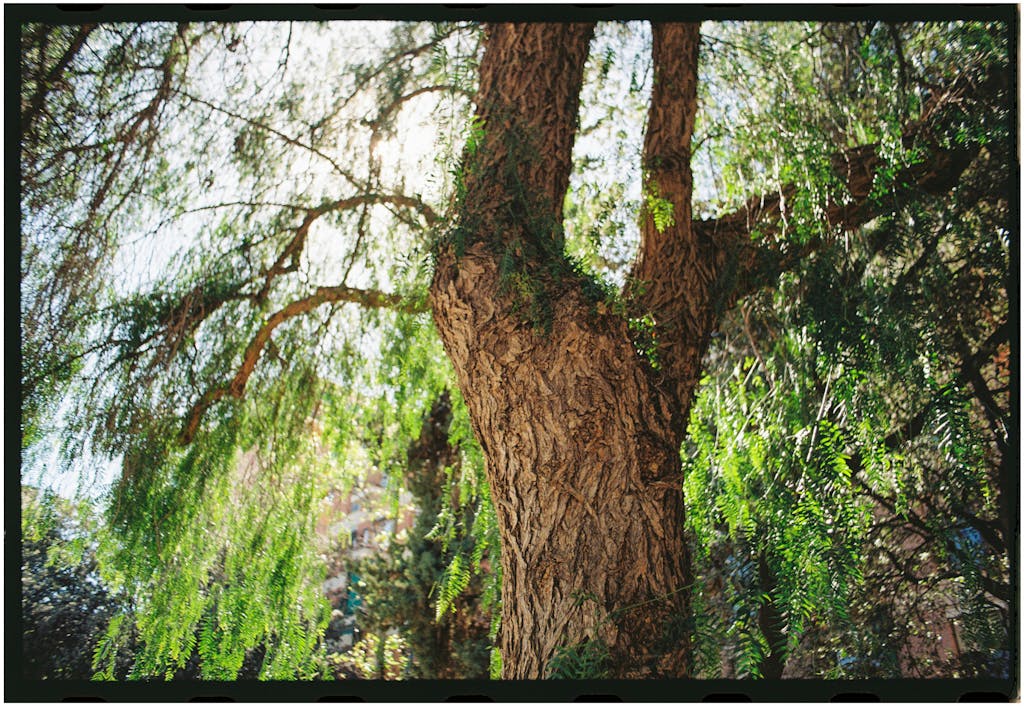
White willow bark is the classic cooling herb for hot, aching joints and backs. It contains salicin, the natural forerunner of aspirin, and in a double-blind trial it eased flare-ups of low back pain better than placebo.4 Avoid it if you are allergic to aspirin, take blood thinners, have ulcers or are pregnant, and never give it to children.
Chamomile calms both an inflamed gut and an irritable temper. Green tea is a gentle daily cooling drink for warmer constitutions. Calendula is the herb for hot, inflamed skin and slow-to-mend scrapes, used as an infused oil, salve or compress.
Combining Herbs the Old Way
The old apothecaries rarely gave one herb alone. They built a formula around a principal herb chosen for the job, added helpers that strengthened it, and finished with a corrective that softened its excesses. The same principle makes a good anti-inflammatory blend:
- For cold, stiff joints: turmeric as principal, ginger and black pepper as helpers, and a little cinnamon to warm the whole.
- For a hot, aching back: willow bark as principal, with a slice of ginger as a corrective so it does not chill the stomach.
- For a hot constitution that still needs turmeric: take it in food rather than capsules, with coriander or fresh herbs to temper its warmth.
See Seven Herbal Tea Blends and How to Balance Them and The Stillroom: Five Traditional Herbal Preparations for recipes and methods.
Food or Supplement?
Most of these herbs began as food, and as food they are safe for nearly everyone. Concentrated extracts and capsules are stronger, and stronger cuts both ways: high-dose turmeric supplements, for instance, have been linked to rare cases of liver injury. My own rule is food first, teas second, and concentrated supplements only for a clear purpose, for a set time, and with your doctor’s knowledge.

Safety
- Sudden, severe, or hot and swollen joints, especially with fever, need a doctor promptly.
- Many of these herbs (turmeric, ginger, garlic, willow) can add to the effect of blood thinners. Check with your doctor if you take them.
- Read the safety section of each herb’s monograph before using it medicinally. See also Anti-Inflammatory Herb Safety.
- Pregnancy and breastfeeding call for culinary amounts only, unless your practitioner advises otherwise.
Common Questions
What is the best anti-inflammatory herb?
There is no single best. For cold, stiff, long-standing complaints, turmeric and ginger are excellent; for hot, angry flares, cooling herbs such as willow bark and chamomile are often better. Match the herb to the kind of inflammation and to the person.
Why do some anti-inflammatory herbs make my flare worse?
Most of the popular ones (turmeric, ginger, cayenne) are warming. If your inflammation is hot and red, a warming herb can add fuel. Try a cooling herb instead.
Can I take several anti-inflammatory herbs together?
Yes, and traditional herbalism usually did. Build the blend around one principal herb, add helpers, and use a corrective to balance its temperament.
Are these herbs safe with my medication?
Some are not. Turmeric, ginger, garlic and willow bark in particular can interact with blood thinners. Always check with your doctor or pharmacist.
© 2024 Carolyn Smith-Kizer
If this work is useful to you, you can buy me a coffee — buymeacoffee.com/cskizer

Notes
- Celsus, De Medicina 3.10.3, trans. W. G. Spencer, Loeb Classical Library 292 (Cambridge, MA: Harvard University Press, 1935). ↩
- James W. Daily, Mini Yang, and Sunmin Park, “Efficacy of Turmeric Extracts and Curcumin for Alleviating the Symptoms of Joint Arthritis: A Systematic Review and Meta-Analysis of Randomized Clinical Trials,” Journal of Medicinal Food 19, no. 8 (2016): 717–29, https://doi.org/10.1089/jmf.2016.3705. ↩
- Armen Haroyan et al., “Efficacy and Safety of Curcumin and Its Combination with Boswellic Acid in Osteoarthritis: A Comparative, Randomized, Double-Blind, Placebo-Controlled Study,” BMC Complementary and Alternative Medicine 18 (2018): 7, https://doi.org/10.1186/s12906-017-2062-z. ↩
- S. Chrubasik et al., “Treatment of Low Back Pain Exacerbations with Willow Bark Extract: A Randomized Double-Blind Study,” American Journal of Medicine 109, no. 1 (2000): 9–14, https://doi.org/10.1016/s0002-9343(00)00442-3. ↩
Bibliography
Celsus. De Medicina. Translated by W. G. Spencer. Vol. 1. Loeb Classical Library 292. Cambridge, MA: Harvard University Press, 1935.
Chrubasik, S., E. Eisenberg, E. Balan, T. Weinberger, R. Luzzati, and C. Conradt. “Treatment of Low Back Pain Exacerbations with Willow Bark Extract: A Randomized Double-Blind Study.” American Journal of Medicine 109, no. 1 (2000): 9–14. https://doi.org/10.1016/s0002-9343(00)00442-3.
Daily, James W., Mini Yang, and Sunmin Park. “Efficacy of Turmeric Extracts and Curcumin for Alleviating the Symptoms of Joint Arthritis: A Systematic Review and Meta-Analysis of Randomized Clinical Trials.” Journal of Medicinal Food 19, no. 8 (2016): 717–29. https://doi.org/10.1089/jmf.2016.3705.
Haroyan, Armen, et al. “Efficacy and Safety of Curcumin and Its Combination with Boswellic Acid in Osteoarthritis: A Comparative, Randomized, Double-Blind, Placebo-Controlled Study.” BMC Complementary and Alternative Medicine 18 (2018): 7. https://doi.org/10.1186/s12906-017-2062-z.