
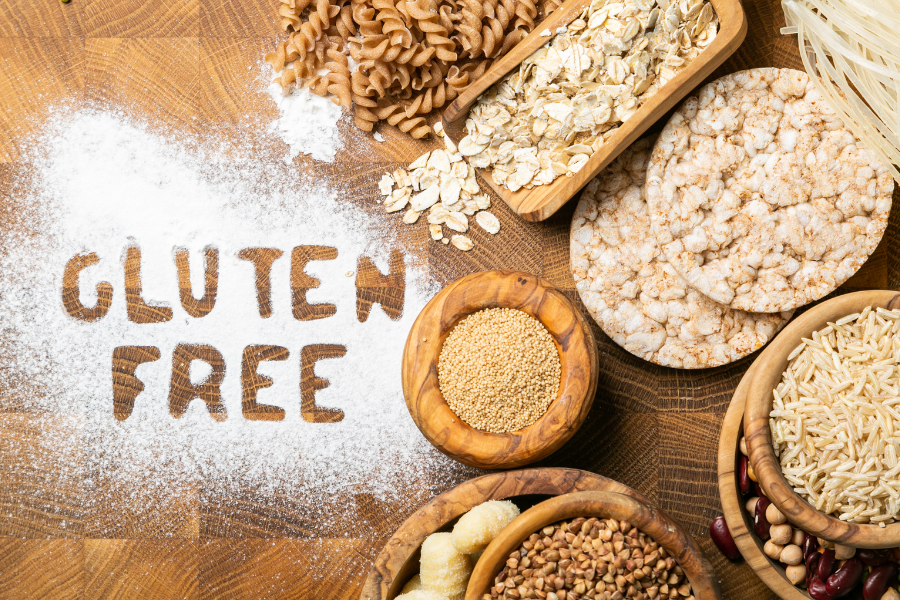
Gluten-Free and Anti-Inflammatory: Is There A Connection?
Gluten-free and anti-inflammatory: the two are sold together so often that many people assume bread itself inflames the body. For some people it truly does, and for them gluten must go entirely. For most people the evidence says something quite different. Here is what gluten is, who really needs to avoid it, what the research shows for everyone else, and what Galen, who thought harder about bread than almost anyone, can still teach us.
In short: Gluten-free and anti-inflammatory are not the same thing. For people with celiac disease, about one in a hundred, gluten sets off an immune reaction that damages the gut, and a strict gluten-free diet for life is essential. For people without it, good studies have not found that gluten itself causes harm, and cutting it out can mean losing whole grains that protect the heart. If you feel better without wheat, get tested for celiac disease before you give it up, and think about how your bread is made, as Galen did.
What Gluten Is
Gluten is the name for the storage proteins in wheat, barley and rye, chiefly the gliadins and glutenins of wheat. Mixed with water and kneaded, they form the stretchy web that traps the gas of rising dough and gives bread its spring.1 Oats do not contain gluten of their own, but they are often grown and milled alongside wheat and can carry traces of it.
Who Truly Must Avoid It
Celiac disease. In celiac disease the immune system reacts to gluten and damages the lining of the small intestine. A large review of studies from around the world found that about 1.4 percent of people carry the antibodies, and about 0.7 percent have the disease confirmed by biopsy.2 For them even small amounts of gluten keep the damage going, and a strict, lifelong gluten-free diet is the only answer.3
Wheat allergy and non-celiac gluten sensitivity. A smaller group are allergic to wheat, and others have gut or general symptoms on wheat without having celiac disease or an allergy. Researchers grouped all three together as the “gluten-related disorders” in 2012, and they agree the third is real but still poorly understood.4
What the Research Shows for Everyone Else
Two studies have shaped what we know.
- Is it the gluten? In 2013 an Australian team took 37 people who believed gluten upset them and put them first on a diet low in FODMAPs, certain fermentable sugars found in wheat, onions, beans and many other foods. Everyone improved. When gluten was then slipped back in, blind, it made no more difference than a placebo protein, and only 8 percent reacted to gluten specifically.5 For many people, it seems, the trouble lay in the wheat’s carbohydrates rather than its protein.
- Does gluten harm the heart? A study following more than 110,000 American nurses and health professionals for 26 years found that eating more gluten did not raise the risk of heart disease. People who ate the least gluten also tended to eat fewer whole grains, which protect the heart, and the authors concluded that gluten-free diets should not be promoted to people without celiac disease.6
None of this means bread suits everyone. It means that the word “gluten-free” on a packet is not, by itself, an anti-inflammatory choice. Many gluten-free breads and biscuits are made from refined starches, sugar and gums, and they can be poorer food than the bread they replace.
What Galen Knew About Bread
Galen, writing in the second century, called wheat the most valuable food of his world, and he ranked breads with great care. The best, he said, were those “most leavened and very well kneaded, and baked in an oven with moderate heat.” Unleavened bread suited almost nobody.7
He learned this the hard way. On a country journey he and his friends were fed boiled whole wheat by a peasant woman whose household had run out of bread. The next day they had no appetite, were full of wind and suffered headaches and blurred vision. The same grain, he concluded, only became good food after it had been milled, sieved, kneaded, fermented and properly baked.8
That is the Galenic lesson I keep: the question is not only whether to eat wheat, but how it was grown, ground, leavened and baked, and whether it suits the person eating it. A slow-risen loaf from good flour is a different food from a soft, quick factory loaf, even if both contain gluten.
If You Feel Better Without Wheat
- Get tested before you stop. The tests for celiac disease only work while you are still eating gluten. Give it up first and you may never know whether you have celiac disease, which matters, because it needs strict and lifelong care.3
- Look at the whole plate. If a test is negative, ask whether it is the bread or what usually comes with it, and whether onions, beans or other high-FODMAP foods bother you as well.
- Choose better bread before no bread. Try a slow-fermented loaf from good flour, or rye or spelt, before cutting out grains altogether.
- If you do go gluten-free, build meals on foods that never had gluten in the first place, such as potatoes, rice, buckwheat, millet, beans, vegetables, meat, fish and eggs, rather than on processed gluten-free substitutes.
An Anti-Inflammatory Table Without Fear of Bread
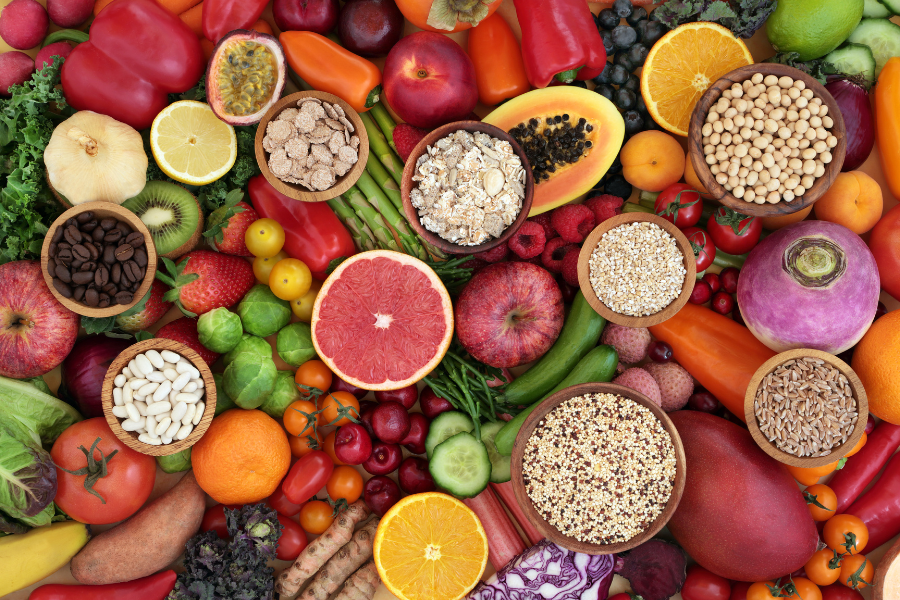
What calms an inflamed body is not one forbidden ingredient but the whole pattern of a life: plenty of vegetables, fruit, beans and whole grains, good fats such as olive oil, oily fish, herbs and spices, sleep, movement and fewer ultra-processed foods. I write about that pattern in The Complete Guide to Anti-Inflammatory Eating, and about the herbs that support it in my field guide to anti-inflammatory herbs.
Frequently Asked Questions
Is gluten inflammatory for everyone?
No. In celiac disease it sets off an immune reaction in the gut. In people without celiac disease, good studies have not shown that gluten itself causes harm.
Should I go gluten-free to reduce inflammation?
Only if you have celiac disease, a wheat allergy, or symptoms that clearly settle without it. Otherwise whole grains are more likely to help than to hurt.
Can I test for celiac disease after going gluten-free?
The usual tests need you to be eating gluten, so speak to your doctor before you cut it out, not after.
Is sourdough safe for people with celiac disease?
No. Sourdough wheat bread still contains gluten. People with celiac disease need bread made without wheat, barley or rye.

© 2024 Carolyn Smith-Kizer
If this work is useful to you, you can buy me a coffee — buymeacoffee.com/cskizer

Notes
- Peter R. Shewry and Nigel G. Halford, “Cereal Seed Storage Proteins: Structures, Properties and Role in Grain Utilization,” Journal of Experimental Botany 53, no. 370 (2002): 947–58, https://doi.org/10.1093/jexbot/53.370.947. ↩
- Prashant Singh et al., “Global Prevalence of Celiac Disease: Systematic Review and Meta-analysis,” Clinical Gastroenterology and Hepatology 16, no. 6 (2018): 823–36, https://doi.org/10.1016/j.cgh.2017.06.037. ↩
- Benjamin Lebwohl, David S. Sanders and Peter H. R. Green, “Coeliac Disease,” The Lancet 391, no. 10115 (2018): 70–81. ↩
- Anna Sapone et al., “Spectrum of Gluten-Related Disorders: Consensus on New Nomenclature and Classification,” BMC Medicine 10 (2012): 13, https://doi.org/10.1186/1741-7015-10-13. ↩
- Jessica R. Biesiekierski et al., “No Effects of Gluten in Patients with Self-Reported Non-Celiac Gluten Sensitivity after Dietary Reduction of Fermentable, Poorly Absorbed, Short-Chain Carbohydrates,” Gastroenterology 145, no. 2 (2013): 320–28, https://doi.org/10.1053/j.gastro.2013.04.051. ↩
- Benjamin Lebwohl et al., “Long Term Gluten Consumption in Adults without Celiac Disease and Risk of Coronary Heart Disease: Prospective Cohort Study,” BMJ 357 (2017): j1892, https://doi.org/10.1136/bmj.j1892. ↩
- Galen, On the Properties of Foodstuffs (De alimentorum facultatibus), trans. Owen Powell (Cambridge: Cambridge University Press, 2003), book 1, on wheat and breads. ↩
- Galen, On the Properties of Foodstuffs, book 1, as discussed in Konstantine Panegyres, “The Ancient Mediterranean Diet Leaned Heavily on Bread,” University of Western Australia, August 2026, uwa.edu.au. ↩