
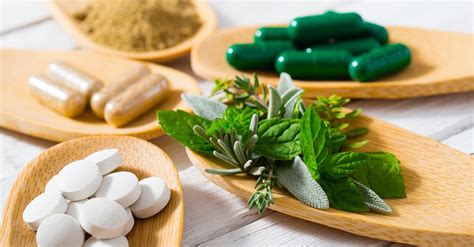
Anti-Inflammatory Herb Safety: A Practical Guide
As a cancer survivor in my seventies, I have a personal stake in the herbs people reach for when the body runs hot and sore. Turmeric, ginger and willow bark are some of the most popular herbs in the world right now, and they are often sold as if they could do no harm, which is why anti-inflammatory herb safety matters.
This post includes affiliate links. Click here for my full disclosure policy.
They are good plants, and they deserve respect. This guide covers five of the best-known “anti-inflammatory” herbs, what the safety research says about each, who should take extra care, and how to choose a product you can trust. If you take any medication, read my companion post, Herb–Drug Interactions: What You Need to Know, as well.
What “Inflammation” Meant Before the Word Was Fashionable
The Roman writer Celsus described it in the first century in one sentence that every student still learns: “Now the signs of an inflammation are four: redness and swelling with heat and pain.”1 To a Galenic physician, that was a hot condition, and a hot condition called for cooling.
Here is what the modern label hides. The herbs sold today as “anti-inflammatory” are not all alike by temperament. Willow bark and devil’s claw are cold and bitter. Ginger and turmeric are warming, ginger strongly so. A Galenic herbalist would never hand all four to the same person. Someone who already runs hot, flushed and irritable may do poorly on a large daily dose of a heating root, even though the bottle promises to “calm inflammation.” Matching the herb to the person is the oldest safety rule we have.
Five Herbs and Their Cautions
Turmeric (Curcuma longa)
Family: Zingiberaceae
Part used: Rhizome
Energetics: Pungent, bitter, warm, dry
Actions: Supports a healthy inflammatory response, digestive bitter, antioxidant
Cautions: Rare but serious liver injury, mostly with concentrated supplements. Avoid supplements in pregnancy. Ask your doctor first if you take blood thinners or other medications.
Turmeric in curry is one thing. Turmeric in a high-strength capsule is another, and the difference matters.
The US Drug-Induced Liver Injury Network has documented a growing number of liver injuries linked to turmeric supplements. Its 2023 report described ten cases, all since 2011. One person died, and five were hospitalized. Seven of the ten carried the same gene variant, which may explain why some people react and most do not.2
Many of those products contained black pepper extract, piperine, added to boost absorption. It works: in a well-known study, piperine raised blood levels of curcumin by about 2,000 percent.3 That is wonderful for absorption and a reason for caution, because a product designed to flood the body with curcumin is no longer a kitchen spice. The National Center for Complementary and Integrative Health now warns that these highly absorbable forms may harm the liver, and that turmeric supplements may be unsafe in pregnancy.4
If you use a turmeric supplement and notice tiredness, nausea, poor appetite, dark urine or yellowing of the skin or eyes, stop it at once and see your doctor.4
Ginger (Zingiber officinale)
Family: Zingiberaceae
Part used: Rhizome
Energetics: Pungent, hot, dry
Actions: Warming digestive, carminative, supports a healthy inflammatory response, settles nausea
Cautions: Can cause heartburn and stomach upset in large amounts. Use care with hot constitutions. Ask your doctor first if you take blood thinners or are pregnant.
Ginger has one of the gentlest safety records of any herb on this list. Its common side effects are heartburn, stomach discomfort, diarrhea and irritation of the mouth and throat.5 Research also suggests it may help with the nausea of pregnancy, though anyone pregnant should check with their midwife or doctor first.5
Ginger is often listed as a bleeding risk alongside blood thinners. In a controlled study, though, ginger did not change the effect of warfarin.6 I still tell people on blood thinners to mention ginger supplements to their doctor, because a capsule is far stronger than a cup of tea.
White Willow Bark (Salix alba and related species)
Family: Salicaceae
Part used: Bark
Energetics: Bitter, astringent, cold, dry
Actions: Cooling, supports comfort in joints and muscles, supports a healthy inflammatory response
Cautions: Not for anyone allergic to aspirin or other salicylates, people with salicylate-sensitive asthma, stomach ulcers or bleeding disorders, anyone under 18, or during pregnancy and breastfeeding. Use care with blood thinners.
Willow bark is the plant behind aspirin. Its salicin is converted in the body to salicylates, and it carries many of the same cautions.
The official European Union herbal monograph for willow bark lists who should not take it: anyone allergic to aspirin or other salicylates, people whose asthma is triggered by salicylates, and anyone with an active stomach ulcer, a bleeding disorder, or severe liver or kidney problems. It is not to be given to anyone under 18, because of the risk of Reye’s syndrome. It is not advised in pregnancy or while breastfeeding, and it is ruled out entirely in the last three months of pregnancy. It may also strengthen the effect of blood thinners.7
That is a long list for a “gentle” bark. If you would not take an aspirin, do not take willow bark either.
Devil’s Claw (Harpagophytum procumbens)
Family: Pedaliaceae
Part used: Secondary tubers (root)
Energetics: Very bitter, cold
Actions: Bitter, supports comfort in joints and muscles
Cautions: Not for anyone with an active stomach or duodenal ulcer. Speak to your doctor first if you have gallstones. Not established as safe for anyone under 18.
Devil’s claw comes from southern Africa, and its intense bitterness is part of how it works. That bitterness stirs up stomach acid and bile, which is why the European Union herbal monograph rules it out for anyone with an active stomach or duodenal ulcer, and asks people with gallstones to speak to a doctor first.8
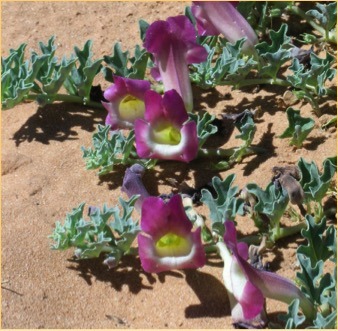
Its reported side effects are mostly digestive: diarrhea, nausea, vomiting and stomach pain, with occasional headache, dizziness and allergic rashes.8 Its safety for children and teenagers has not been established.8
Boswellia (Boswellia serrata)
Boswellia, the frankincense tree, rounds out the five. It has its own full monograph on this site, Herbal Monograph: Boswellia serrata, which covers its cautions in detail, so I will not repeat them here.

FULLSCRIPT Professional-Grade Supplements
US Customer’s Only
Who Needs Extra Care
Older adults
A national study of Americans aged 62 to 85 found that nearly two-thirds took a dietary supplement by 2011, and about one in six was taking a combination of products with a potential major interaction.9 The more medications you take, the more carefully any new herb should be added. Bring every bottle, herbs included, to your next medication review.
Pregnancy and breastfeeding
Turmeric supplements may be unsafe in pregnancy,4 willow bark is ruled out in the last trimester,7 and little is known about many of these herbs during breastfeeding. Ginger is the one with some evidence of help for morning sickness.5 Whatever you are considering, ask your midwife or doctor first.

Children and teenagers
Willow bark should not be given to anyone under 18,7 and devil’s claw has not been shown safe for that age group.8 Children are not small adults, and their doses are not a matter of cutting an adult capsule in half.
People with ongoing health conditions
Stomach ulcers, gallstones, bleeding disorders, and liver or kidney disease all appear in the cautions above. If you live with any of them, or are scheduled for surgery, talk with your doctor before starting any of these herbs.
What Is Actually in the Jar
A product can only be as safe as its contents. In 2019, Stanford researchers found that some turmeric sold in Bangladesh had been brightened with lead chromate, an industrial yellow pigment, to make poor-quality roots look richer.10 That is an extreme case, but it shows why the source matters.
- Buy from suppliers who test. Ask for a certificate of analysis showing identity, strength and checks for heavy metals, pesticides and microbes.
- Know whether you are buying the herb or an extract. A standardized extract, or one boosted with piperine, behaves very differently from the dried root.
- Be wary of big promises. A label that claims to fix everything is telling you more about its marketing than its contents.
Start Low, Watch, Adjust
The old herbalists started with a small amount and watched the person, not the calendar. That is still the safest way to begin.
- Add one herb at a time, at the low end of the usual amount, and give it a couple of weeks before adding anything else.
- Keep a short note of what you take, how much and how you feel.
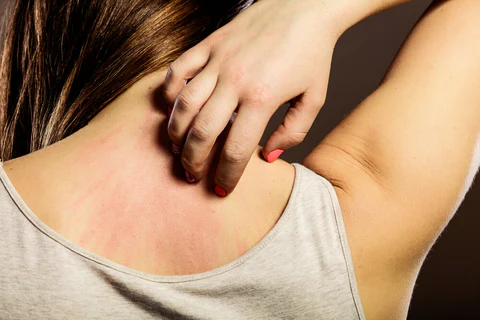
- Stop and seek advice if you notice a rash or itching, stomach pain or black stools, unusual bruising or bleeding, or the liver warning signs listed under turmeric.
- Tell your doctor and pharmacist about every herb and supplement, including teas you drink daily.
Frequently Asked Questions
Is cooking with turmeric and ginger safe?
For most people, yes. The safety concerns in the research involve concentrated supplements, not the amounts used in food.
Should I avoid turmeric supplements with black pepper?
Not necessarily, but be aware that piperine makes the curcumin far more absorbable, and many of the reported liver injuries involved products like these. Use them for limited periods, and stop at once if you notice any liver warning signs.
Can I take willow bark instead of aspirin?
Only if you could safely take aspirin. Willow bark shares many of the same cautions, and it should not be used by anyone under 18.
How long can I take these herbs?
It depends on the herb, the dose and you. Short courses with breaks are the traditional approach. If you want to use an herb daily for months, talk it over with a qualified herbalist and your doctor.
Respect the Plant, Know the Person
These five plants have earned their reputations, and I use several of them myself. The safest way to use them is the old way: know the herb, know your own constitution, start small, and keep your doctor in the loop.
© 2024 Carolyn Smith-Kizer
If this work is useful to you, you can buy me a coffee — buymeacoffee.com/cskizer

Notes
- Celsus, On Medicine, trans. W. G. Spencer, vol. 1, Loeb Classical Library 292 (Cambridge, MA: Harvard University Press, 1935), bk. 3, sec. 10, p. 273.
- Dina Halegoua-DeMarzio et al., “Liver Injury Associated with Turmeric—A Growing Problem: Ten Cases from the Drug-Induced Liver Injury Network [DILIN],” American Journal of Medicine 136, no. 2 (2023): 200–206.
- Guido Shoba et al., “Influence of Piperine on the Pharmacokinetics of Curcumin in Animals and Human Volunteers,” Planta Medica 64, no. 4 (1998): 353–56.
- National Center for Complementary and Integrative Health, “Turmeric,” NCCIH Herbs at a Glance, accessed October 15, 2026, https://www.nccih.nih.gov/health/turmeric.
- National Center for Complementary and Integrative Health, “Ginger,” NCCIH Herbs at a Glance, accessed October 15, 2026, https://www.nccih.nih.gov/health/ginger.
- Xuemin Jiang et al., “Effect of Ginkgo and Ginger on the Pharmacokinetics and Pharmacodynamics of Warfarin in Healthy Subjects,” British Journal of Clinical Pharmacology 59, no. 4 (2005): 425–32.
- EMA, European Union Herbal Monograph on Salix [Various Species Including S. purpurea L., S. daphnoides Vill., S. fragilis L.], Cortex, EMA/HMPC/80630/2016 (London: EMA, 2017).
- EMA, European Union Herbal Monograph on Harpagophytum procumbens DC. and/or Harpagophytum zeyheri Decne., Radix, EMA/HMPC/627057/2015 (London: EMA, 2016).
- Dima M. Qato et al., “Changes in Prescription and Over-the-Counter Medication and Dietary Supplement Use among Older Adults in the United States, 2005 vs 2011,” JAMA Internal Medicine 176, no. 4 (2016): 473–82.
- Jenna E. Forsyth et al., “Turmeric Means ‘Yellow’ in Bengali: Lead Chromate Pigments Added to Turmeric Threaten Public Health across Bangladesh,” Environmental Research 179, pt. A (2019): 108722.