
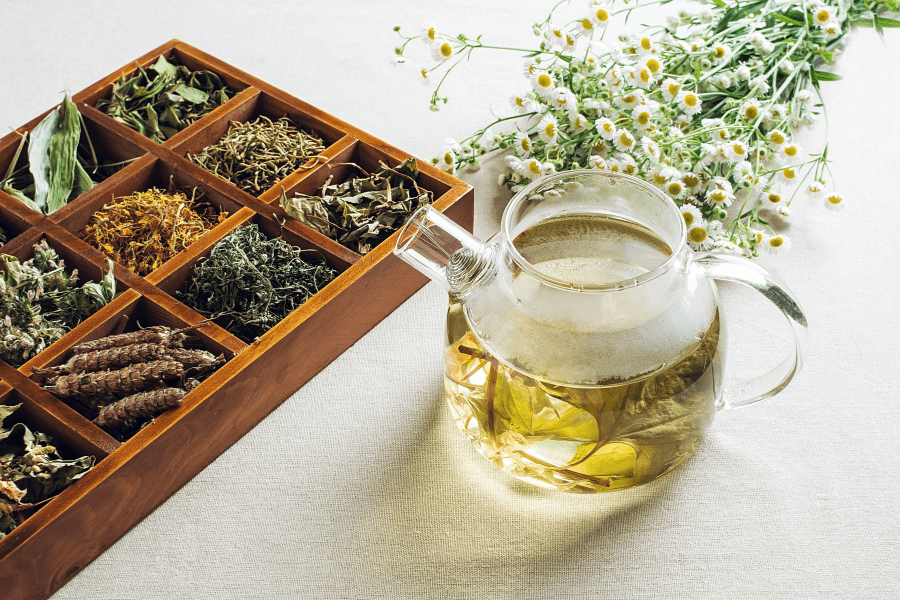
Herbal Tea Blends: Seven and How to Balance Them
A single herb is a voice; a good blend is a choir. The old apothecaries rarely gave a plant on its own. They combined a principal herb, chosen for the job, with helpers that strengthened it and a corrective that softened its excesses: a pinch of cinnamon to warm a cold blend, a little licorice to round out a bitter one, rose petals to cool something too hot. That is still the best way to make herbal tea blends.
Here are seven of the blends I come back to most, with what each is for, how it is balanced, and which constitution it suits. All are measured in parts, so you can make a single cup (1 part = ½ teaspoon) or a jar (1 part = a tablespoon or a handful).
1. Evening Calm (for sleep and a busy mind)
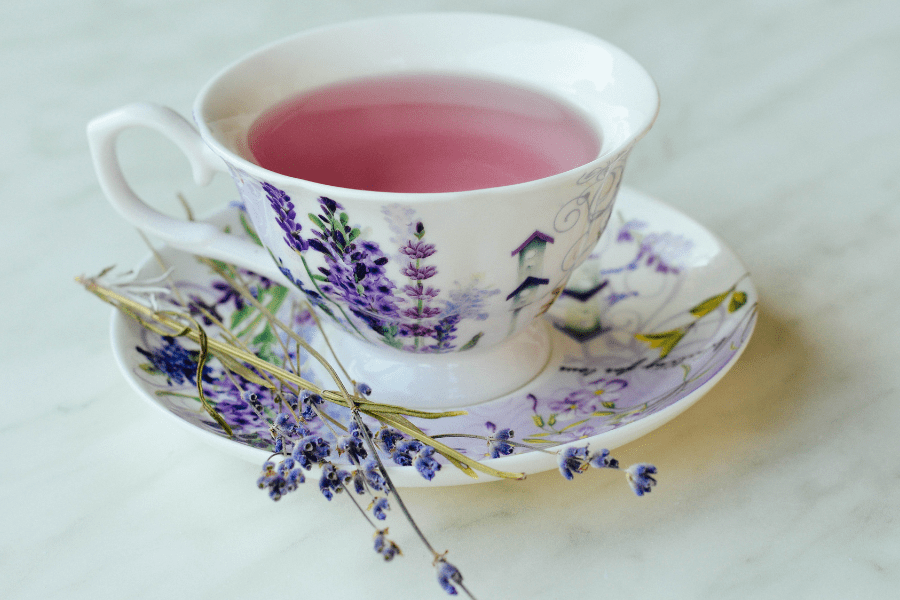
- 2 parts chamomile
- 2 parts lemon balm
- ½ part lavender flowers
- Optional, for stubborn sleeplessness: 1 part valerian root, simmered separately for 10 minutes and added
Chamomile and lemon balm are the gentle principals. In a trial among elderly people, chamomile extract improved sleep quality,1 and lemon balm calmed stress in healthy volunteers.2 Lavender is warm and drying, so it goes in sparingly as a fragrant helper. Valerian is the strongest of the four; a meta-analysis found it may improve sleep, though the trials vary.3 Suits: every constitution, especially the tense choleric and the worried melancholic. Drink an hour before bed.
2. After-Dinner Digestive
- 1 part peppermint
- 1 part fennel seed, lightly crushed
- 1 part chamomile
- For a cold, slow stomach: add 2 thin slices of fresh ginger
Peppermint relaxes, fennel scatters wind, and chamomile calms. Ginger, as the corrective, warms the blend for phlegmatic and melancholic stomachs. Leave out the peppermint if you have reflux. See seven teas for an upset stomach for each herb in detail.
3. First Shiver (for the start of a cold)
- 1 part elderflower
- 1 part peppermint
- 1 part yarrow
The classic English and French fever tea. All three open the pores and bring on a sweat. Drink it hot, as soon as you feel the first chill, and go to bed. It suits every constitution in the first hours of a cold. See echinacea and elder.
4. Winter Cupboard (for the cold months)
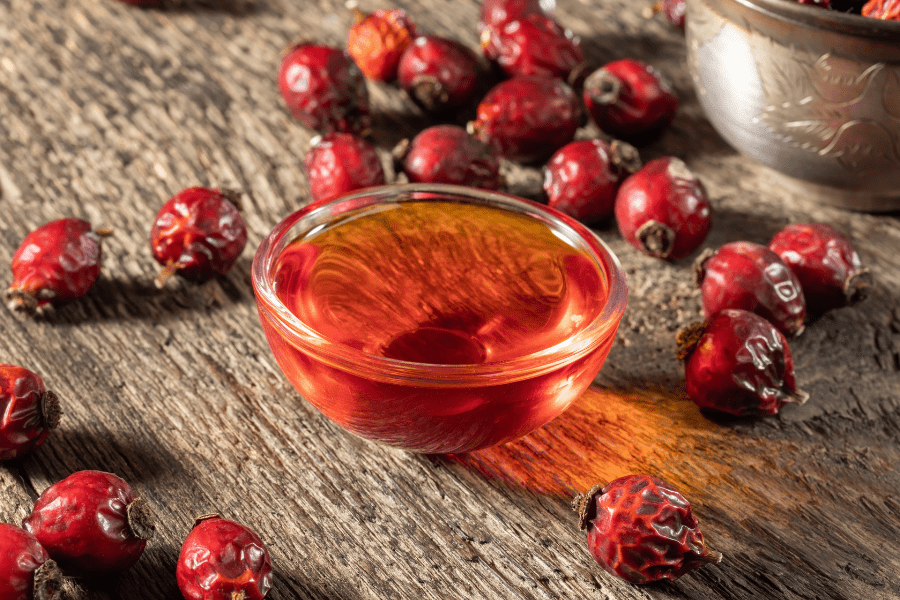
- 2 parts rosehips
- 1 part dried elderberries
- 1 cinnamon stick, broken
- 2–3 slices fresh ginger
Rosehips are tart and rich in vitamin C; elderberries are the household standby for winter colds. Both are cooling, so cinnamon and ginger are the correctives that warm the blend for a cold season and a cold constitution. Because it contains berries and bark, simmer it for 15–20 minutes rather than steeping. Suits: phlegmatic and melancholic types through the winter.
5. Spring Green (minerals and gentle cleansing)
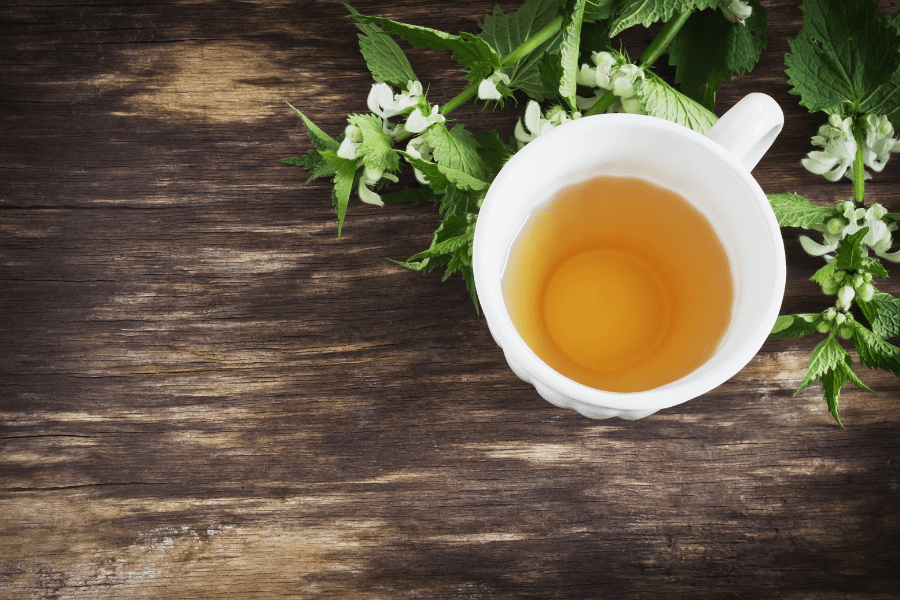
- 2 parts nettle leaf
- 1 part dandelion leaf
- 1 part fresh cleavers (if you have it), added only once the tea has cooled
Nettle feeds, dandelion opens the liver, and cleavers moves the lymph. Make it as a long infusion: pour a litre of boiling water over the nettle and dandelion, cover and leave overnight, then add the cleavers in the morning and strain. This is the companion tea to the Galenic Spring Protocol. Suits: the phlegmatic body after winter.
6. Summer Rose (cooling, and for the heart)
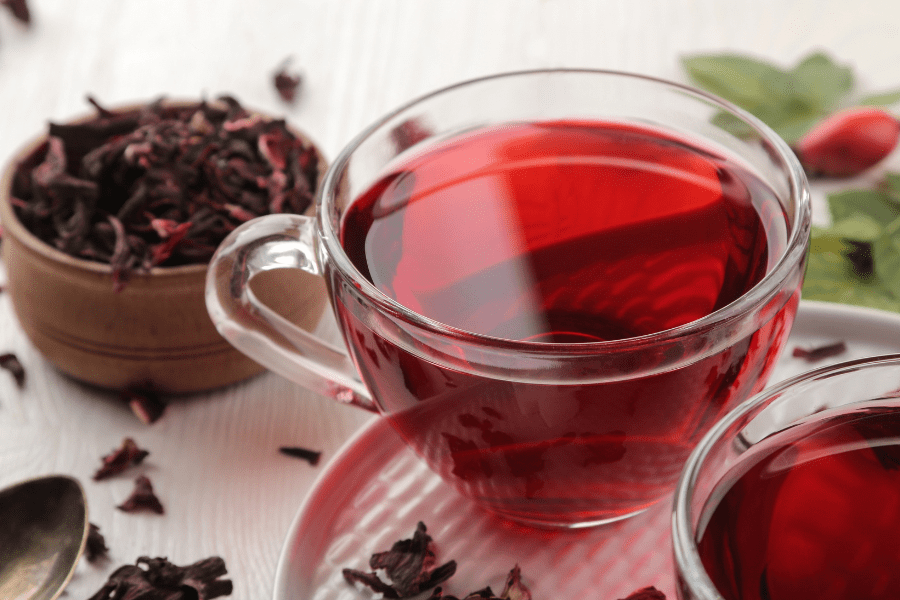
- 1 part hibiscus calyces
- 1 part rose petals
- 1 part lemon balm
A cooling, sour-sweet, crimson tea for hot days and hot tempers. Hibiscus is the principal: daily hibiscus tea lowered blood pressure in a controlled trial.4 Rose cools and gladdens the heart, and lemon balm calms. Make it as a cold infusion overnight in the refrigerator. Suits: choleric and sanguine types. Check with your doctor if you take blood-pressure medication. See roselle.
7. Old Bones (for aching joints)
- 2 parts white willow bark
- 1 part fresh ginger, sliced
- A pinch of turmeric and black pepper
Willow bark contains salicin, the natural forerunner of aspirin. In a double-blind trial, willow bark extract eased flare-ups of low back pain better than placebo.5 Ginger and turmeric warm and support it. Simmer for 20 minutes. Suits: the cold, stiff phlegmatic or melancholic body. Avoid if you are allergic to aspirin, take blood thinners, have stomach ulcers, or are pregnant, and never give willow to children.

Blending by Constitution
- Phlegmatic (cold and moist): add a warming corrective (ginger, cinnamon, fennel) to almost any blend.
- Melancholic (cold and dry): add warmth and moisture: ginger, a little licorice or honey, and drink warm.
- Choleric (hot and dry): favour cool infusions and cooling herbs (rose, hibiscus, lemon balm, chamomile); go easy on ginger and cinnamon.
- Sanguine (hot and moist): favour cooling and lightly drying blends: hibiscus, peppermint, nettle.
Safety
- Know every herb in your blend. Check the individual cautions, especially licorice, willow bark, valerian and hibiscus.
- If you take medications from your doctor, check with your doctor or pharmacist before drinking a medicinal blend every day.
- Pregnant or breastfeeding? Ask your midwife before using any medicinal blend.
- Store dried blends in airtight, dark jars, and use within a year.
Common Questions
How much tea should I drink?
For most of these blends, two or three cups a day is a medicinal amount. The evening blend is one cup before bed.
Why measure in parts?
Parts keep the proportions right whatever quantity you make, from one cup to a year’s supply.
What is a “corrective”?
An old apothecary term for an herb added to a blend to soften another’s excess, for example ginger to warm a cooling blend, or licorice to round out a bitter one.
Can I use tea bags?
Yes, but loose herbs are usually fresher and stronger, and you can adjust the blend to suit yourself.
© 2024 Carolyn Smith-Kizer
If this work is useful to you, you can buy me a coffee — buymeacoffee.com/cskizer

Notes
- Mohsen Adib-Hajbaghery and Seyed Nasrollah Mousavi, “The Effects of Chamomile Extract on Sleep Quality among Elderly People: A Clinical Trial,” Complementary Therapies in Medicine 35 (2017): 109–14. ↩
- D. O. Kennedy, W. Little, and A. B. Scholey, “Attenuation of Laboratory-Induced Stress in Humans after Acute Administration of Melissa officinalis (Lemon Balm),” Psychosomatic Medicine 66, no. 4 (2004): 607–13. ↩
- Stephen Bent et al., “Valerian for Sleep: A Systematic Review and Meta-Analysis,” American Journal of Medicine 119, no. 12 (2006): 1005–12, https://doi.org/10.1016/j.amjmed.2006.02.026. ↩
- Diane L. McKay et al., “Hibiscus sabdariffa L. Tea (Tisane) Lowers Blood Pressure in Prehypertensive and Mildly Hypertensive Adults,” Journal of Nutrition 140, no. 2 (2010): 298–303, https://doi.org/10.3945/jn.109.115097. ↩
- S. Chrubasik et al., “Treatment of Low Back Pain Exacerbations with Willow Bark Extract: A Randomized Double-Blind Study,” American Journal of Medicine 109, no. 1 (2000): 9–14, https://doi.org/10.1016/s0002-9343(00)00442-3. ↩
Bibliography
Adib-Hajbaghery, Mohsen, and Seyed Nasrollah Mousavi. “The Effects of Chamomile Extract on Sleep Quality among Elderly People: A Clinical Trial.” Complementary Therapies in Medicine 35 (2017): 109–14..
Bent, Stephen, Amy Padula, Dan Moore, Michael Patterson, and Wolf Mehling. “Valerian for Sleep: A Systematic Review and Meta-Analysis.” American Journal of Medicine 119, no. 12 (2006): 1005–12. https://doi.org/10.1016/j.amjmed.2006.02.026.
Chrubasik, S., E. Eisenberg, E. Balan, T. Weinberger, R. Luzzati, and C. Conradt. “Treatment of Low Back Pain Exacerbations with Willow Bark Extract: A Randomized Double-Blind Study.” American Journal of Medicine 109, no. 1 (2000): 9–14. https://doi.org/10.1016/s0002-9343(00)00442-3.
Kennedy, D. O., W. Little, and A. B. Scholey. “Attenuation of Laboratory-Induced Stress in Humans after Acute Administration of Melissa officinalis (Lemon Balm).” Psychosomatic Medicine 66, no. 4 (2004): 607–13.
McKay, Diane L., C.-Y. Oliver Chen, Edward Saltzman, and Jeffrey B. Blumberg. “Hibiscus sabdariffa L. Tea (Tisane) Lowers Blood Pressure in Prehypertensive and Mildly Hypertensive Adults.” Journal of Nutrition 140, no. 2 (2010): 298–303. https://doi.org/10.3945/jn.109.115097.