
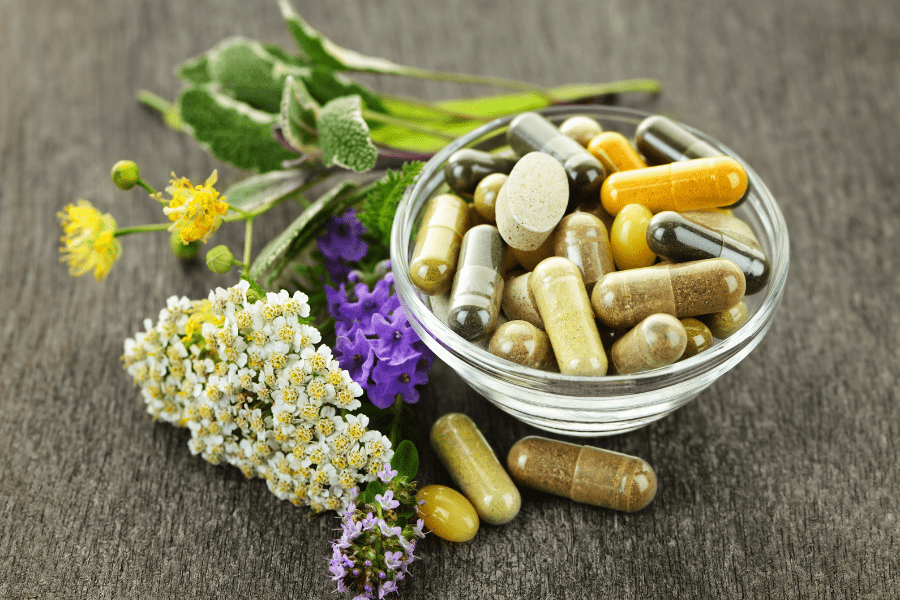
Herb-Drug Interactions: What You Need to Know
A national survey of American adults found that about one in six people taking a medication from their doctor were also taking an herb or other supplement, which is why herb-drug interactions matter.1 I suspect the number is higher now. I also suspect many of those people never mentioned the herbs to their doctor, because they assumed anything that grows in a garden must be harmless.
This post includes affiliate links. Click here for my full disclosure policy.
It isn’t. Plants are strong. That strength is why we use them, and it is also why some of them change the way a medication works in your body. This guide walks through five popular herbs with well-studied interactions, explains how interactions happen, and gives you a short list of sensible habits.
A word before we start: this post is for education. If you take any medication, talk with your doctor or pharmacist before adding an herb, and tell them about every supplement you already use.
An Old Worry: Galen and the Problem of Mixtures
Herbalists did not discover this problem in the twentieth century. Galen sorted every simple by its qualities, hot or cold, dry or moist, and by degree, and he wrote at great length about compounds, because he understood that a mixture does not behave like its separate parts.2 A strongly heating simple placed beside a cooling one changes what the whole preparation does.
Modern pharmacology describes the same idea in different language. When you swallow an herb and a pill together, both pass through the same gut, the same liver and the same set of enzymes. One can change what happens to the other. Galen would have recognized the principle at once, even if the word “cytochrome” would have puzzled him.
Mountain Rose For Bulk Herbs and Teas
How Herb–Drug Interactions Happen
Researchers sort interactions into two kinds.3
- Pharmacokinetic interactions change how much of a drug reaches your blood. The herb alters how the drug is absorbed, moved around, broken down or cleared away.
- Pharmacodynamic interactions happen where the drug acts. The herb pushes in the same direction as the drug, or against it. Two things that both thin the blood are the classic example.
Most of the well-documented interactions are the first kind, and most of those involve a family of liver and gut enzymes called cytochrome P450. These enzymes break down roughly three-quarters of the drugs in common use.4 One of them, CYP3A4, handles more drugs than any other.
An herb can affect these enzymes in two opposite ways. If it induces them, the body breaks the drug down faster, so blood levels fall and the drug may stop working well. If it inhibits them, the drug lingers, levels rise, and side effects become more likely. Many herbs also act on P-glycoprotein, a pump in the gut wall that pushes drugs back out before they can be absorbed.
Five Herbs to Know About
St. John’s Wort (Hypericum perforatum)
Family: Hypericaceae
Part used: Flowering tops
Energetics: Bitter, astringent, slightly warm, dry
Actions: Nervine, supports a balanced mood, vulnerary (traditional, for the skin)
Cautions: Interacts with a long list of medications, including antidepressants, birth control pills, blood thinners, heart drugs and transplant drugs. Avoid in pregnancy. Can increase sun sensitivity.
If you remember only one herb from this post, make it this one. St. John’s wort is the best-studied herb for interactions, and the news is not reassuring.
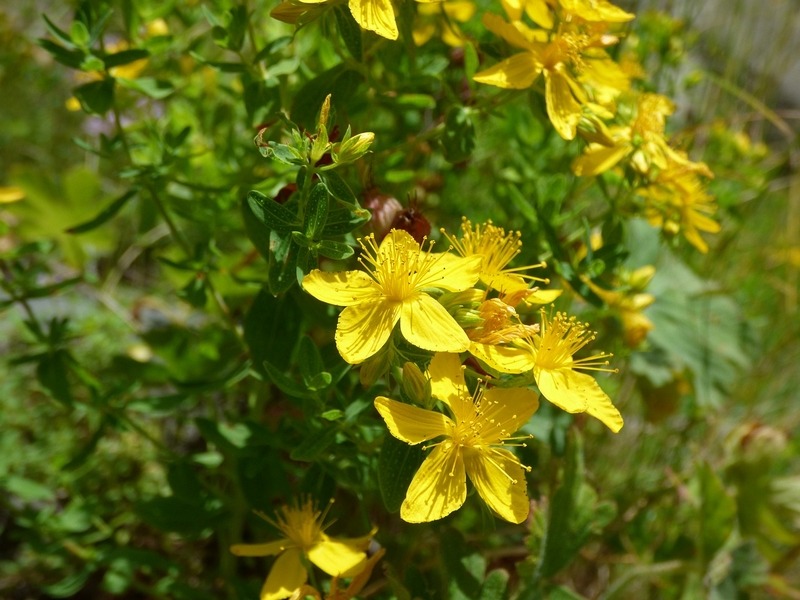
In 2000, researchers showed why. Hyperforin, one of the plant’s main constituents, switches on a receptor in the liver called PXR. PXR in turn tells the body to make more CYP3A4.5 The plant also raises levels of P-glycoprotein. The result is that many drugs are broken down and cleared faster than intended.
The documented consequences include birth control pills that fail, falling blood levels of transplant and HIV drugs, and a weaker effect from heart medications.6 In a controlled study in healthy volunteers, St. John’s wort significantly reduced the effect of warfarin, the blood thinner.7
There is a second danger. Taken with antidepressants such as SSRIs, St. John’s wort may contribute to serotonin syndrome, a rare but serious reaction.8 Anyone on an antidepressant should not add this herb without their doctor’s agreement.

Ginkgo (Ginkgo biloba)
Family: Ginkgoaceae
Part used: Leaves
Energetics: Bitter, astringent, neutral to slightly cooling
Actions: Circulatory, antioxidant, supports memory and focus
Cautions: Use care with blood thinners and anti-platelet drugs. Stop before surgery or dental work, and tell your surgeon you have been taking it.
Ginkgo has a long-standing reputation for raising bleeding risk, and the evidence is more mixed than that reputation suggests.
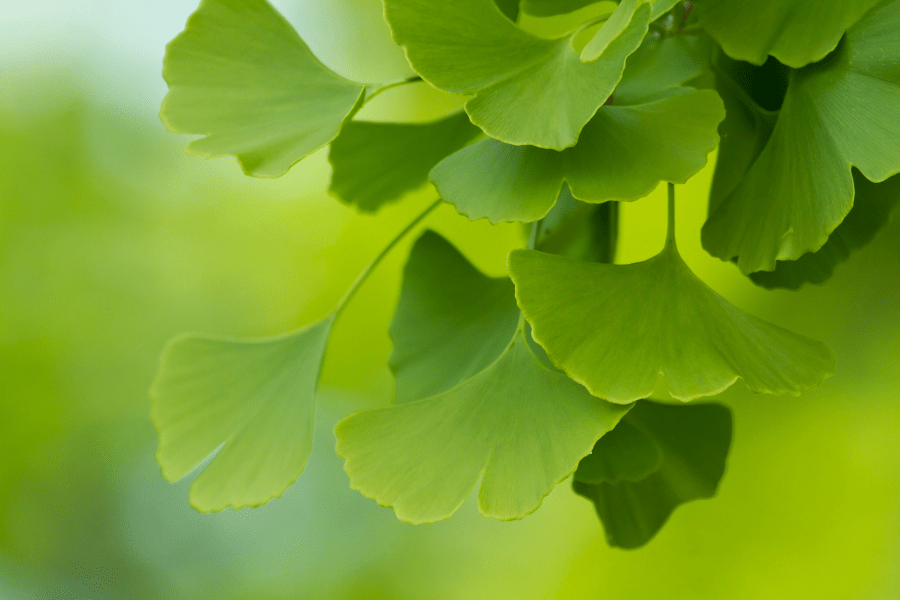
Compounds in ginkgo leaf can affect how platelets clump together. A review of the evidence found case reports of bleeding in people taking ginkgo, some of them also on warfarin, but noted that case reports cannot prove the herb was responsible.9 When researchers tested ginkgo alongside warfarin in a controlled study, it did not change clotting time or warfarin levels.10
So the risk may be small. The US National Center for Complementary and Integrative Health still advises that ginkgo may raise bleeding risk in people taking anticoagulants such as warfarin.11 Bleeding is serious enough that caution makes sense, and your surgeon should know about ginkgo before any operation.
Goldenseal (Hydrastis canadensis)
Family: Ranunculaceae
Part used: Root and rhizome
Energetics: Bitter, cold, dry
Actions: Bitter tonic, astringent to the mucous membranes
Cautions: Avoid in pregnancy and while breastfeeding. Interacts with many medications. Not for long-term use.
Goldenseal is one of the strongest enzyme inhibitors among popular herbs. In healthy volunteers, it reduced the activity of both CYP2D6 and CYP3A4 by roughly 40 percent.12 Those two enzymes between them handle a large share of common drugs, including many antidepressants, heart medications and pain relievers. Inhibiting them can push drug levels higher than intended.
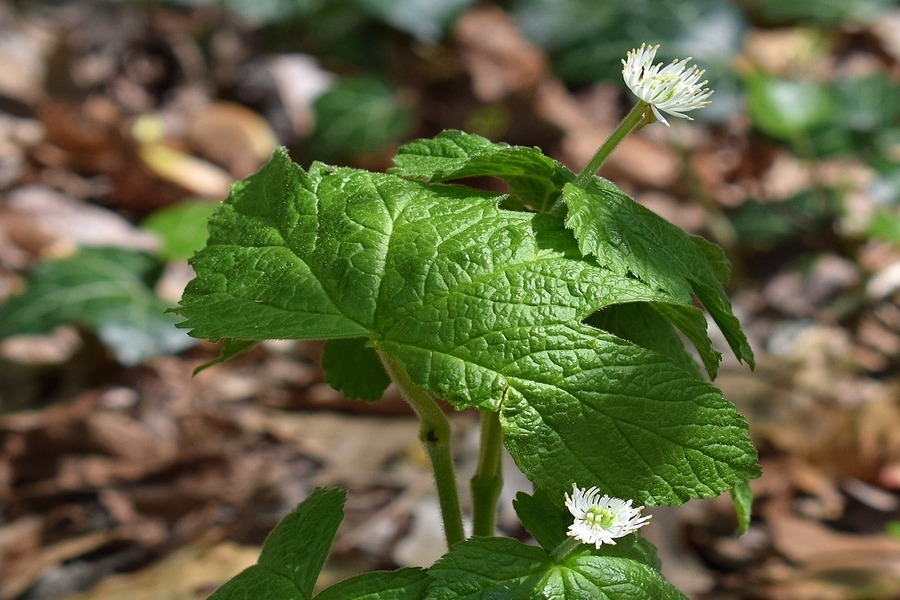
Goldenseal also affects metformin, the most widely used diabetes drug, though not in the way the earlier version of this post said. A 2021 study from Washington State University found that people who took goldenseal for several days absorbed less metformin, about a quarter less.13 Less metformin could mean poorer blood sugar control. If you take metformin, keep goldenseal off your shelf unless your doctor agrees.
Garlic (Allium sativum)
Family: Amaryllidaceae
Part used: Bulb
Energetics: Pungent, warm, dry
Actions: Supports healthy circulation and blood pressure already in the normal range, warming, expectorant
Cautions: Concentrated supplements may add to the effect of blood thinners. Can lower levels of some HIV drugs. Garlic as food in normal amounts is not the concern here.
Garlic is one of the plants Charlemagne ordered grown on his estates, and it has been in European kitchens for millennia. Cooking with it is not what this section is about. The concern is concentrated garlic supplements.
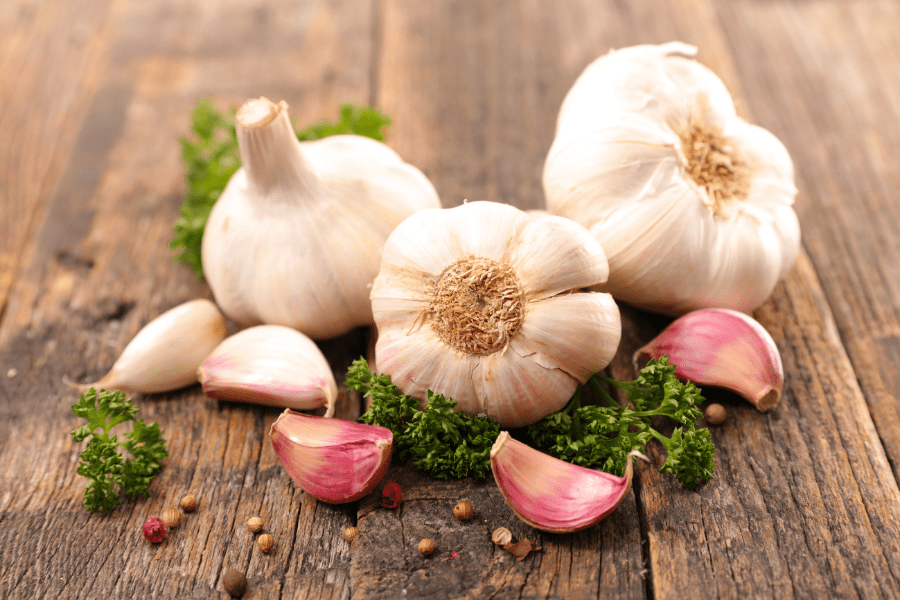
In a study of healthy volunteers, three weeks of garlic supplements cut blood levels of saquinavir, an HIV drug, by about half.14 Levels had still not fully recovered ten days after the garlic was stopped. For anyone relying on HIV drugs, a drop that large matters.
Garlic supplements may also add to the effect of blood thinners. As with ginkgo, the evidence comes mostly from case reports, but it is enough to tell your doctor if you take them.9
Herb-Drug Interactions Checker
Asian Ginseng (Panax ginseng)
Family: Araliaceae
Part used: Root
Energetics: Sweet, slightly bitter, warm
Actions: Adaptogen, tonic, supports energy and stamina
Cautions: May affect blood sugar, so take care with diabetes medications. Use care with stimulants and with drugs broken down by CYP3A4. Avoid in pregnancy.
The research on Asian ginseng is less clear-cut than for St. John’s wort. In one study, four weeks of Panax ginseng lowered blood levels of midazolam, a test drug broken down by CYP3A4, by about a third.15 That points to some enzyme induction, which could weaken other drugs that use the same pathway.
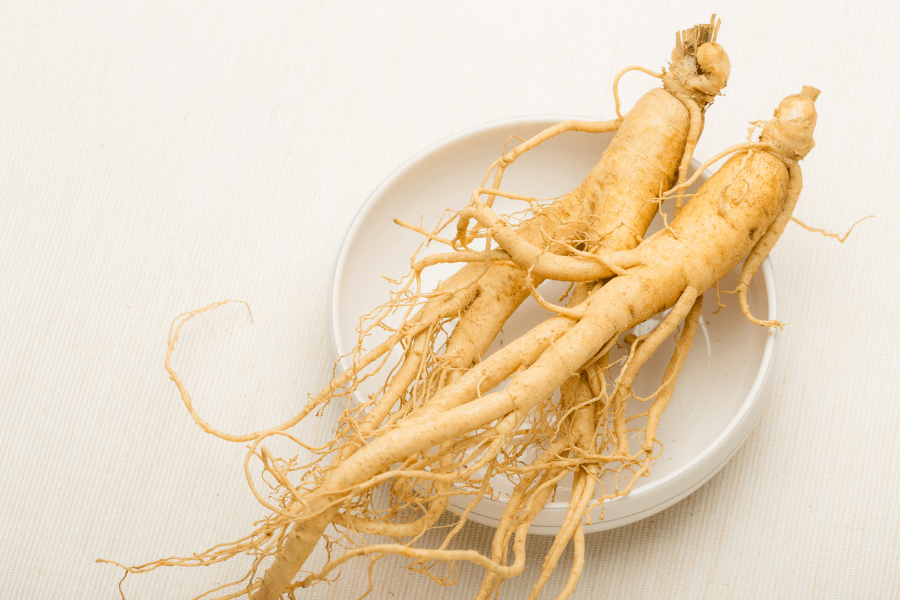
Other findings are reassuring. In the same warfarin study that implicated St. John’s wort, Asian ginseng made no measurable difference.7 Ginseng products also vary enormously in strength, which makes any single result hard to apply to the bottle on your shelf.

Fullscript Professional Grade Supplements
US Customers Only
What the Research Can and Cannot Tell Us
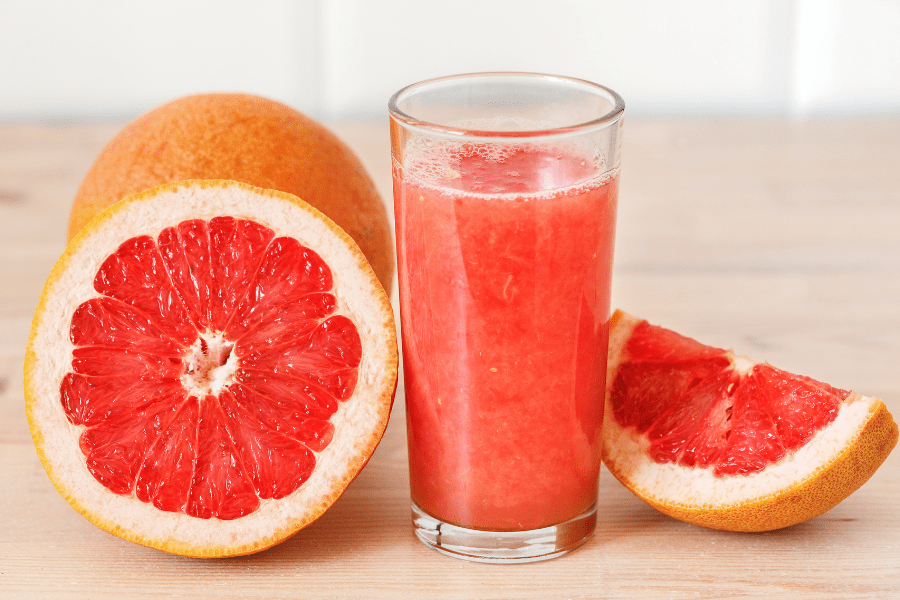
Grapefruit juice is a useful reminder that ordinary plants can matter. Its effect on certain blood pressure drugs was discovered by accident in 1991.16 Since then, more than eighty drugs have been found to interact with it, some of them seriously.17 No one thinks of grapefruit as dangerous, yet a pharmacist will warn you about it.
At the same time, many interactions you will read about online rest on thin evidence. Test-tube and animal studies often suggest an interaction that never shows up in people. When a review sorts the evidence carefully, the list of herbs with well-documented, clinically important interactions is fairly short. St. John’s wort and goldenseal are both on it. One major review found that many plant compounds affect drug enzymes in the laboratory, but that this effect is rarely seen in people.18
Whether an interaction matters in real life depends on several things: the dose and form of the herb, how long you take it, and how narrow the safe range of the drug is.3 A small change in a drug like warfarin or a transplant drug can be serious. The same change in a drug with a wide safety margin may not matter at all.
Herb-Drug Interations Checker
Sensible Habits If You Use Herbs and Medications
- Tell your doctor and pharmacist about every herb and supplement, including teas you drink daily. Bring the bottles to your next appointment if that is easier.
- Add one herb at a time, so you can tell what is doing what.
- Be most careful with drugs that have a narrow safety margin: blood thinners, transplant drugs, HIV drugs, seizure drugs, heart rhythm drugs and some cancer drugs.
- Stop herbs before surgery if your surgeon or anesthetist asks, and tell them what you have been taking.
- Check reliable sources, such as the National Center for Complementary and Integrative Health herb fact sheets, and use online interaction checkers as a starting point, not the final word.
- Buy from sellers who test their products. An herb that is stronger or weaker than its label says changes the picture.
Frequently Asked Questions
Are herbal teas safe to drink with my medications?
Most gentle kitchen teas, such as peppermint or chamomile, are unlikely to cause problems in normal amounts. St. John’s wort tea is the exception: it can still lower drug levels. If you take a medication with a narrow safety margin, ask your pharmacist about any daily tea.
How long before surgery should I stop my herbs?
Many surgical teams ask for herbs that affect bleeding, such as ginkgo and garlic supplements, to be stopped one to two weeks beforehand. Follow your own surgeon’s instructions, since they know your situation.
Does cooking with garlic or ginger count?
No. The interactions in the research involve concentrated supplements, not the amounts used in cooking.
Is “natural” the same as “safe”?
No. Natural means it came from a plant. Plants contain strong compounds, which is exactly why they interact with drugs.
Before You Reach for the Jar
I have spent most of my life working with herbs, and I trust them. Trusting a plant means respecting what it can do, and that includes what it can do to the other things you take. Galen built his whole system on knowing a simple well before mixing it. We can at least tell our doctor what is in the cupboard.
© 2024 Carolyn Smith-Kizer
If this work is useful to you, you can buy me a coffee — buymeacoffee.com/cskizer

Notes
- David W. Kaufman et al., “Recent Patterns of Medication Use in the Ambulatory Adult Population of the United States: The Slone Survey,” JAMA 287, no. 3 (2002): 337–44.
- Sabine Vogt, “Drugs and Pharmacology,” in The Cambridge Companion to Galen, ed. R. J. Hankinson (Cambridge: Cambridge University Press, 2008), 304–22.
- Gary N. Asher, Amanda H. Corbett, and Roy L. Hawke, “Common Herbal Dietary Supplement–Drug Interactions,” American Family Physician 96, no. 2 (2017): 101–7.
- Ulrich M. Zanger and Matthias Schwab, “Cytochrome P450 Enzymes in Drug Metabolism: Regulation of Gene Expression, Enzyme Activities, and Impact of Genetic Variation,” Pharmacology & Therapeutics 138, no. 1 (2013): 103–41.
- Linda B. Moore et al., “St. John’s Wort Induces Hepatic Drug Metabolism through Activation of the Pregnane X Receptor,” Proceedings of the National Academy of Sciences 97, no. 13 (2000): 7500–7502.
- Francesca Borrelli and Angelo A. Izzo, “Herb–Drug Interactions with St John’s Wort (Hypericum perforatum): An Update on Clinical Observations,” AAPS Journal 11, no. 4 (2009): 710–27.
- Xuemin Jiang et al., “Effect of St John’s Wort and Ginseng on the Pharmacokinetics and Pharmacodynamics of Warfarin in Healthy Subjects,” British Journal of Clinical Pharmacology 57, no. 5 (2004): 592–99.
- National Center for Complementary and Integrative Health, “St. John’s Wort,” NCCIH Herbs at a Glance, accessed October 15, 2026, https://www.nccih.nih.gov/health/st-johns-wort.
- Laura P. W. Vaes and Peter A. Chyka, “Interactions of Warfarin with Garlic, Ginger, Ginkgo, or Ginseng: Nature of the Evidence,” Annals of Pharmacotherapy 34, no. 12 (2000): 1478–82.
- Xuemin Jiang et al., “Effect of Ginkgo and Ginger on the Pharmacokinetics and Pharmacodynamics of Warfarin in Healthy Subjects,” British Journal of Clinical Pharmacology 59, no. 4 (2005): 425–32.
- National Center for Complementary and Integrative Health, “Ginkgo,” NCCIH Herbs at a Glance, accessed October 15, 2026, https://www.nccih.nih.gov/health/ginkgo.
- Bill J. Gurley et al., “In Vivo Effects of Goldenseal, Kava Kava, Black Cohosh, and Valerian on Human Cytochrome P450 1A2, 2D6, 2E1, and 3A4/5 Phenotypes,” Clinical Pharmacology & Therapeutics 77, no. 5 (2005): 415–26.
- James T. Nguyen et al., “Assessing Transporter-Mediated Natural Product–Drug Interactions via In Vitro–In Vivo Extrapolation: Clinical Evaluation with a Probe Cocktail,” Clinical Pharmacology & Therapeutics 109, no. 5 (2021): 1342–52.
- Stephen C. Piscitelli et al., “The Effect of Garlic Supplements on the Pharmacokinetics of Saquinavir,” Clinical Infectious Diseases 34, no. 2 (2002): 234–38.
- Christine Y. Malati et al., “Influence of Panax ginseng on Cytochrome P450 (CYP)3A and P-glycoprotein (P-gp) Activity in Healthy Participants,” Journal of Clinical Pharmacology 52, no. 6 (2012): 932–39.
- David G. Bailey et al., “Interaction of Citrus Juices with Felodipine and Nifedipine,” Lancet 337, no. 8736 (1991): 268–69.
- David G. Bailey, George Dresser, and J. Malcolm O. Arnold, “Grapefruit–Medication Interactions: Forbidden Fruit or Avoidable Consequences?,” Canadian Medical Association Journal 185, no. 4 (2013): 309–16.
- Bill J. Gurley, Espero Kim Fifer, and Zoë Gardner, “Pharmacokinetic Herb-Drug Interactions (Part 2): Drug Interactions Involving Popular Botanical Dietary Supplements and Their Clinical Relevance,” Planta Medica 78, no. 13 (2012): 1490–1514.