
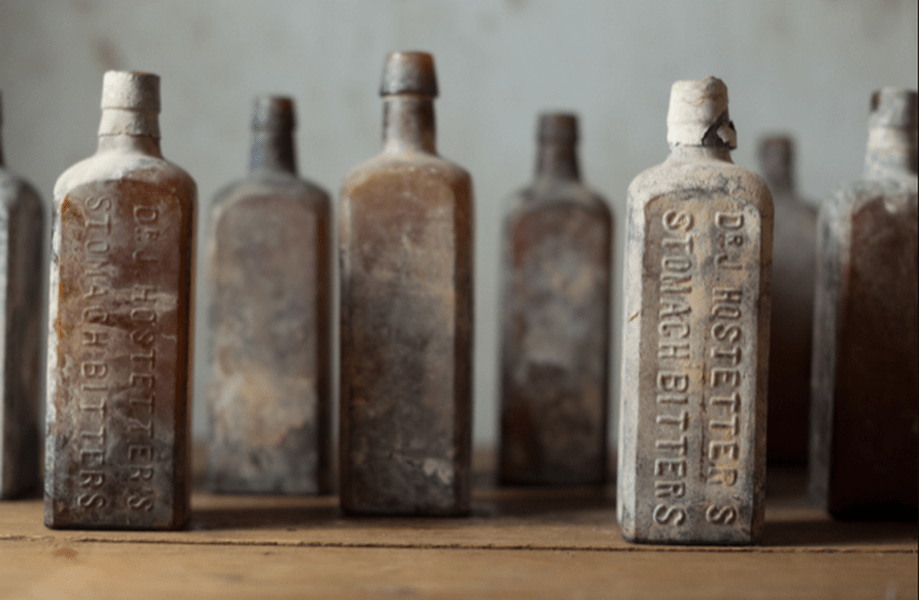
Digestive Bitters: Herbs, a Recipe and the Galenic Art of the Bitter Taste
Bitter is the taste our grandparents knew and we have bred out of our food, and digestive bitters are one of the oldest ways of bringing it back. The old European table began with it, in the bitter salad leaves of spring, the aperitif before dinner and the digestif after, and the Galenic physicians prized bitter herbs above almost any others for the stomach and the liver. Wormwood, the most bitter herb of all, has its own monograph here.1
Digestive bitters are simply bitter herbs, usually with a few aromatics, steeped in alcohol and taken in small amounts before meals. This guide covers which herbs to use, how to read them through Galenic eyes, my own recipe, and how to take them safely.
At a Glance
- What they are: bitter and aromatic herbs extracted in alcohol, taken in small doses before or after meals
- Classic bitters: gentian, dandelion root, artichoke leaf, chicory, angelica, wormwood
- Common aromatics: orange and lemon peel, ginger, fennel, cardamom, cinnamon
- Galenic qualities: opening and cleansing; some bitters are hot and drying, others cooler
- Best suited to: a sluggish appetite, heaviness after rich food, a phlegmatic or slow digestion
- Dose: about ¼ teaspoon (15–20 drops), in a little water, 10–15 minutes before meals
- Main cautions: heartburn and reflux, gastritis and ulcers, gallbladder disease, daisy-family allergy, some medications, pregnancy, alcohol
The Galenic Reading
In the Galenic tradition, bitterness is the taste that opens. Bitter herbs clear the obstructed liver and spleen, move bile, cut through the thick, cold phlegm that slows digestion, and rouse a weak appetite.2 The physician chose among them by their other qualities, because not all bitters are alike:
- Hot, aromatic bitters such as wormwood, angelica, gentian with ginger, and orange peel warm a cold stomach as they open it.
- Cool bitters such as dandelion, chicory and artichoke cleanse and open without adding heat.
- Phlegmatic (cold and moist): the people bitters suit best. Choose warm, aromatic blends with angelica, ginger and orange peel.
- Choleric (hot and dry): bitters help an overloaded liver, but choose the cool ones, dandelion, chicory and artichoke, and leave out wormwood and hot spices.
- Melancholic (cold and dry): go gently. Bitters dry, so pair them with sweet, warming aromatics such as fennel and cinnamon, and take them in warm water.
- Sanguine (hot and moist): cool bitters before a rich meal suit you well.
How Bitters Work
Taste is where digestion begins. A bitter taste on the tongue increases saliva and, it seems, stomach acid and gastric juices, getting the stomach ready for food; some bitters may also influence the hormones that govern appetite. The research is honest about its limits: there aren’t yet enough conclusive studies, and the claims for bitters and weight loss are thin.3 That is why you have to taste them. Capsules of bitter herbs skip the step that matters most.
The European Medicines Agency accepts three of the classic bitters as traditional herbal products: gentian root for temporary loss of appetite and mild indigestion,4 artichoke leaf for indigestion with fullness, bloating and wind,5 and dandelion for loss of appetite and indigestion.6
Herbs for Bitters
The Bitters
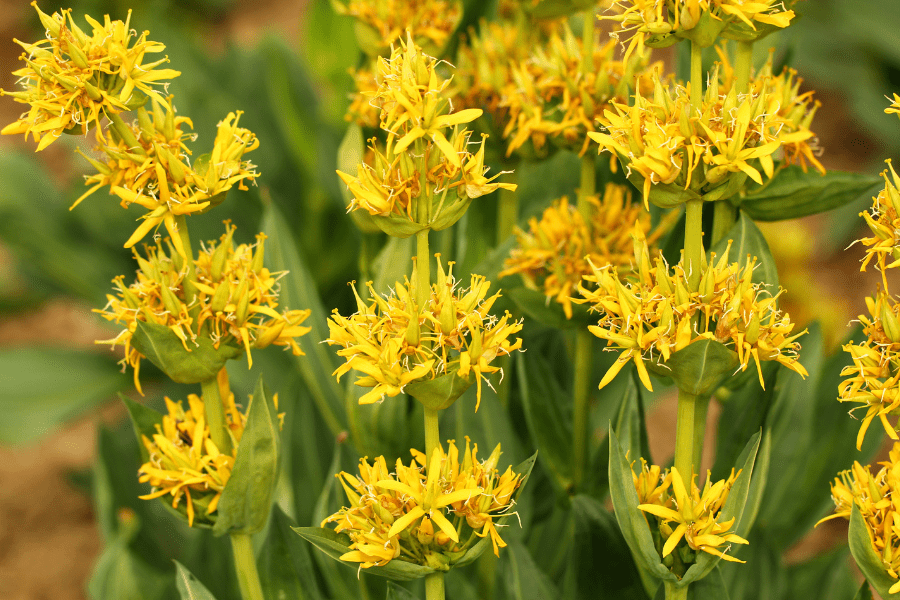
- Gentian root (Gentiana lutea): the classic, intensely bitter mountain root of the old aperitifs. A little goes a very long way.
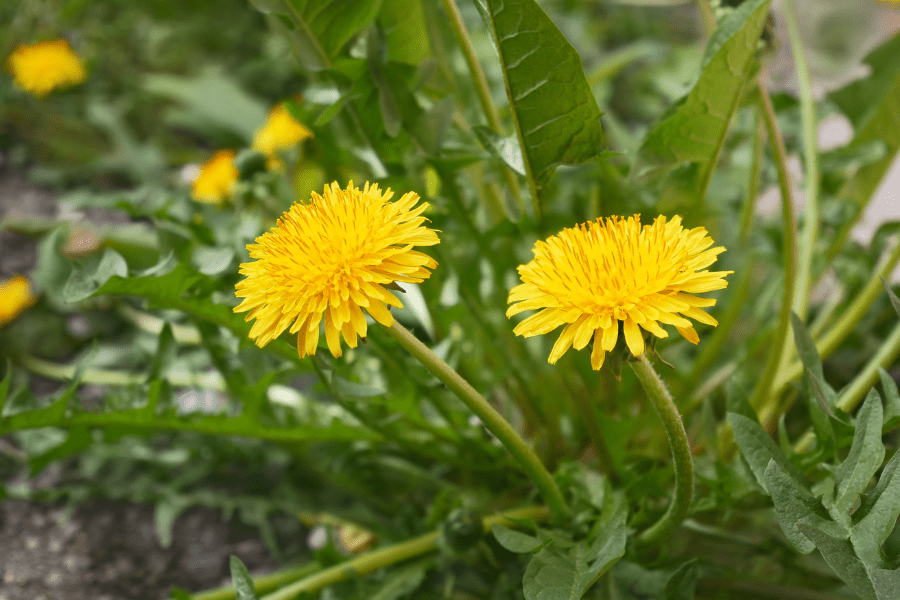
- Dandelion root (Taraxacum officinale): cool, bitter and gentle on the liver; dig it in autumn or early spring. See my alterative herbs post.
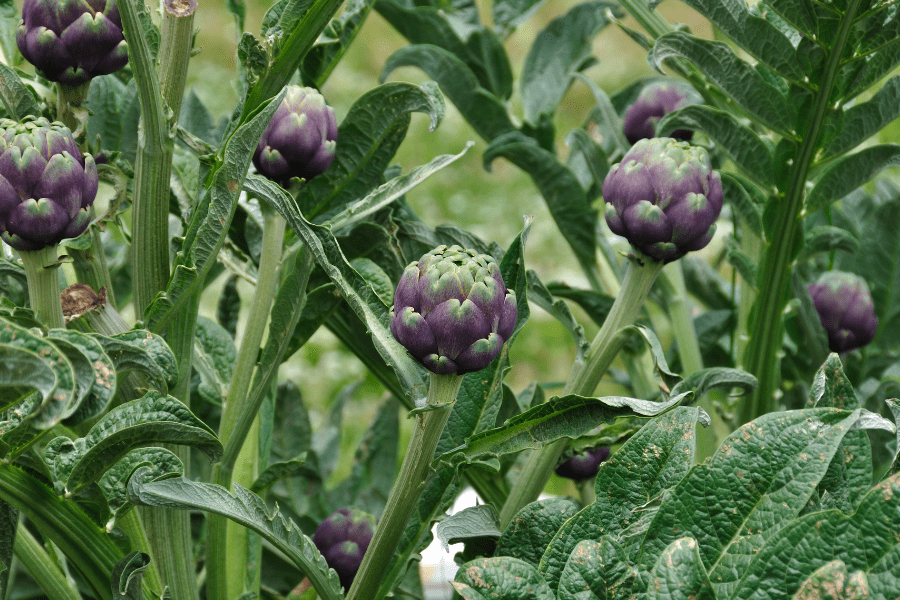
- Artichoke leaf (Cynara cardunculus): cool and bitter, for fullness after rich, fatty meals.
- Chicory root (Cichorium intybus): cool and bitter, dandelion’s cousin, also roasted as a coffee substitute.
- Angelica root (Angelica archangelica): warm, aromatic and bitter, a monastery herb for a cold stomach.
- Wormwood (Artemisia absinthium): hot and intensely bitter; use only small amounts and only for short periods. See the wormwood monograph.
The Aromatics
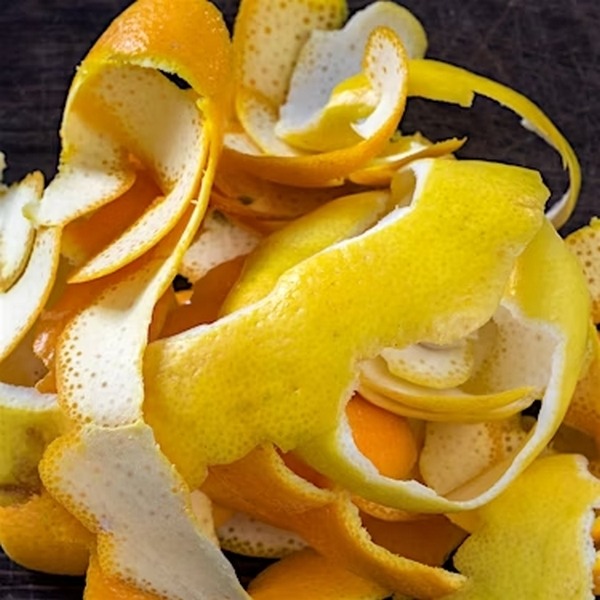
- Orange and lemon peel: warm, bright and uplifting; use organic peel without the white pith.
- Ginger: warming and pungent, good with a cold stomach.
- Fennel and cardamom seed: sweet, warm and carminative; they ease wind and soften the bitterness.
- Cinnamon and star anise: warm and sweet, good for melancholic blends.
- Rosemary: warm and resinous; see the rosemary monograph.
My Digestive Bitters Recipe
This is the blend I come back to: warm enough for a phlegmatic stomach, bitter enough to wake it up. It makes about 240 ml (8 oz).
- 2 tablespoons dried angelica root
- 2 tablespoons dried gentian root
- 1½ tablespoons dried dandelion root
- 1 tablespoon dried ginger root
- Peel of half an organic lemon
- Peel of a quarter of an organic orange
- 1–2 fresh rosemary sprigs
- 240 ml (8 oz) vodka, 40–50% alcohol
- Put the roots, peels and rosemary in a clean jar.
- Pour the vodka over them until everything is covered, leaving about 2 cm of headspace.
- Cap tightly, label and shake.
- Keep in a cool, dark place for 4–6 weeks, shaking every few days.
- Strain through muslin, squeezing well, and bottle in amber dropper bottles.
- Label with the herbs and the date. It keeps for at least a year.
Adjust it to suit yourself: more gentian if you like it fiercely bitter, fennel or cinnamon for a gentler, sweeter blend, and cooler bitters (dandelion, chicory, artichoke) in place of angelica and ginger if you run hot. Keep notes so you can repeat the batches you love.
Taking Your Bitters
- Dose: about ¼ teaspoon (15–20 drops). Start smaller; more is not better with bitters.
- How: in a little water. Swish it around your mouth so you really taste it, then swallow. Straight drops on the tongue can sting.
- When: 10–15 minutes before a meal. Taken after a large meal, bitters can ease that overly full feeling.
- Other ways: a few drops in sparkling water make a fine non-alcoholic aperitif, and a dash in a salad dressing brings bitterness back to the table.
- Without alcohol: steep the same herbs in cider vinegar or vegetable glycerine instead, or eat your bitters as salad: dandelion, chicory, endive and rocket.

Further Reading
My herbal colleague and teacher Guido Masé has written the book on bitters: The Wild Medicine Solution explains why our bodies need bitter, aromatic and tonic plants, with his own bitters formulas.7 If bitters become a passion, as they have for me, start there.
Safety
- Heartburn, reflux, gastritis and ulcers: bitters increase stomach acid and can make these worse. Avoid them, or ask your doctor first.8
- Gallbladder, bile-duct and liver disease: bitters move bile; do not use them if you have gallstones, a blocked bile duct or liver disease without your doctor’s approval. Artichoke leaf must not be used in certain liver and bile-duct disorders.9
- Daisy-family allergy: artichoke, dandelion, chicory and wormwood belong to the daisy family. People allergic to it should avoid them.10
- Medications: bitters may interact with blood pressure medication, insulin and other diabetes drugs.11 Check with your doctor or pharmacist.
- Pregnancy and breastfeeding: avoid alcohol bitters, and wormwood in any form.
- Alcohol: use vinegar or glycerine bitters if you avoid alcohol or are in recovery.
- How long: if indigestion lasts more than two weeks, see your doctor.
Common Questions
Why do bitters have to taste bitter?
Because the taste itself starts the digestive response. Capsules skip it.
Before or after meals?
Before, by 10–15 minutes, to prepare the stomach. After a heavy meal they can ease fullness.
Can I use cocktail bitters?
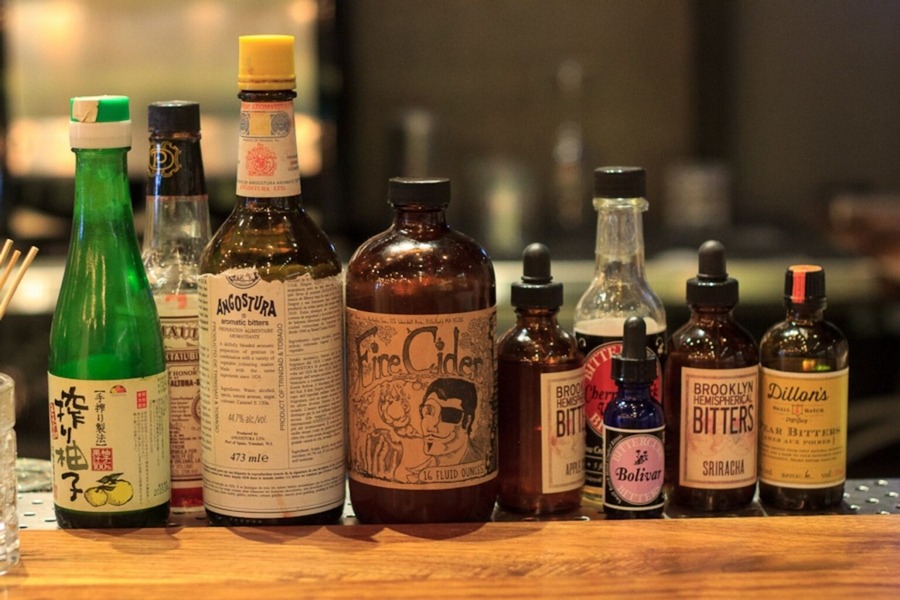
Commercial cocktail bitters are made for flavour, not strength, and many are sweetened. Homemade bitters let you choose the herbs and the balance.
Which constitution benefits most?
In Galenic terms, the cold, damp phlegmatic type with a slow appetite and heavy digestion. Hot types should choose the cool bitters.
© 2024 Carolyn Smith-Kizer
If this work is useful to you, you can buy me a coffee — buymeacoffee.com/cskizer

Notes
- Carolyn Smith-Kizer, “Artemisia absinthium L. Monograph: Wormwood,” At Charlemagne’s Behest, https://atcharlemagnesbehest.com/artemisia-absinthium-monograph. ↩
- Smith-Kizer, “Wormwood.” ↩
- Beth Czerwony, quoted in “What To Know Before You Try Digestive Bitters,” Cleveland Clinic Health Essentials, March 7, 2022, https://health.clevelandclinic.org/digestive-bitters. ↩
- European Medicines Agency, Committee on Herbal Medicinal Products, European Union Herbal Monograph on Gentiana lutea L., radix, Rev. 1, EMA/HMPC/607861/2017 (Amsterdam: European Medicines Agency, 2019), https://www.ema.europa.eu/en/medicines/herbal/gentianae-radix. ↩
- European Medicines Agency, Committee on Herbal Medicinal Products, European Union Herbal Monograph on Cynara cardunculus L. (syn. Cynara scolymus L.), folium, Rev. 1, EMA/HMPC/194014/2017 (Amsterdam: European Medicines Agency, 2019), https://www.ema.europa.eu/en/medicines/herbal/cynarae-folium. ↩
- European Medicines Agency, Committee on Herbal Medicinal Products, Community Herbal Monograph on Taraxacum officinale Weber ex Wigg., radix cum herba, EMA/HMPC/212895/2008 Corr. 1 (London: European Medicines Agency, 2011), https://www.ema.europa.eu/en/medicines/herbal/taraxaci-radix-cum-herba. ↩
- Guido Masé, The Wild Medicine Solution: Healing with Aromatic, Bitter, and Tonic Plants (Rochester, VT: Healing Arts Press, 2013). ↩
- Cleveland Clinic, “What To Know Before You Try Digestive Bitters.” ↩
- EMA, Monograph on Cynara. ↩
- EMA, Monograph on Cynara. ↩
- Cleveland Clinic, “What To Know Before You Try Digestive Bitters.” ↩
Bibliography
Cleveland Clinic. “What To Know Before You Try Digestive Bitters.” Cleveland Clinic Health Essentials, March 7, 2022. https://health.clevelandclinic.org/digestive-bitters.
European Medicines Agency, Committee on Herbal Medicinal Products. Community Herbal Monograph on Taraxacum officinale Weber ex Wigg., radix cum herba. EMA/HMPC/212895/2008 Corr. 1. London: European Medicines Agency, 2011.
European Medicines Agency, Committee on Herbal Medicinal Products. European Union Herbal Monograph on Cynara cardunculus L. (syn. Cynara scolymus L.), folium. Rev. 1. EMA/HMPC/194014/2017. Amsterdam: European Medicines Agency, 2019.
European Medicines Agency, Committee on Herbal Medicinal Products. European Union Herbal Monograph on Gentiana lutea L., radix. Rev. 1. EMA/HMPC/607861/2017. Amsterdam: European Medicines Agency, 2019.
Masé, Guido. The Wild Medicine Solution: Healing with Aromatic, Bitter, and Tonic Plants. Rochester, VT: Healing Arts Press, 2013.
Smith-Kizer, Carolyn. “Artemisia absinthium L. Monograph: Wormwood.” At Charlemagne’s Behest. https://atcharlemagnesbehest.com/artemisia-absinthium-monograph.