
Rosemary in Charlemagne’s Garden: Salvia rosmarinus, the Sun’s Herb
Rosemary in Charlemagne’s garden was a southerner he brought north. Chapter 70 of the Capitulare de Villis names rosmarinum among the plants every royal estate was to grow, between the cumin and the caraway.1 A shrub of the hot, dry Mediterranean hillsides, it had to be coaxed through northern winters in sheltered monastery and estate gardens, and it has stayed in our kitchens ever since.
Culpeper thought it indispensable: “It is an herb of as great use with us as any whatsoever, not only for physical, but civil, purposes.”2 Today it is sold as a brain and anti-inflammatory herb. I want to read it the old way, as one of the great warming, drying herbs of the head and stomach.
At a Glance
- Botanical name: Salvia rosmarinus Spenn. (syn. Rosmarinus officinalis L.)
- Common names: rosemary, romarin (French), ros marinus, “dew of the sea” (Latin)
- Family: Lamiaceae (the mint family)
- Part used: leaves and flowering tops, fresh or dried
- Taste: warm, pungent, resinous and slightly bitter
- Galenic qualities: hot and dry
- Planetary ruler: the Sun (Culpeper)
- Actions: warming circulatory, carminative, antispasmodic, aromatic nervine, antioxidant, rubefacient (externally)
- Main cautions: pregnancy, seizure disorders, aspirin allergy, blood thinners, the essential oil by mouth
- Conservation status: widely cultivated; not at risk
The Plant
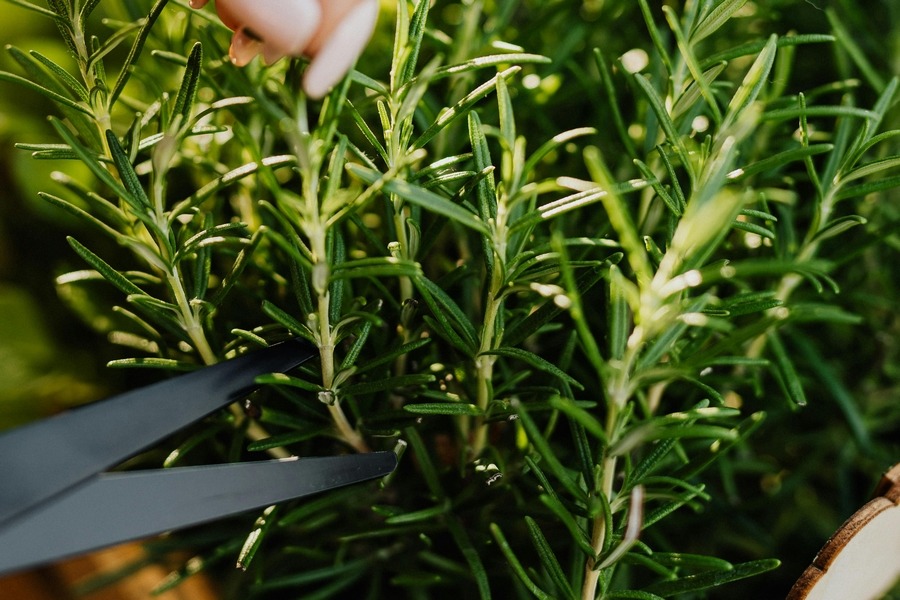
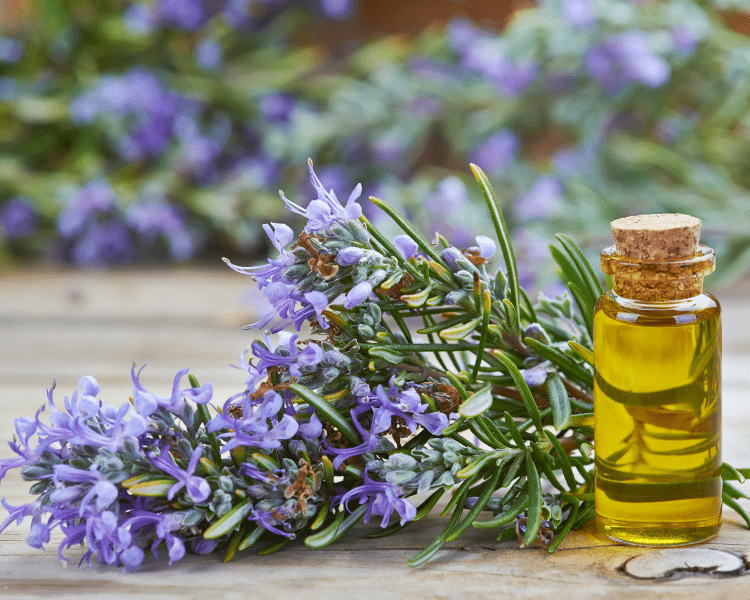
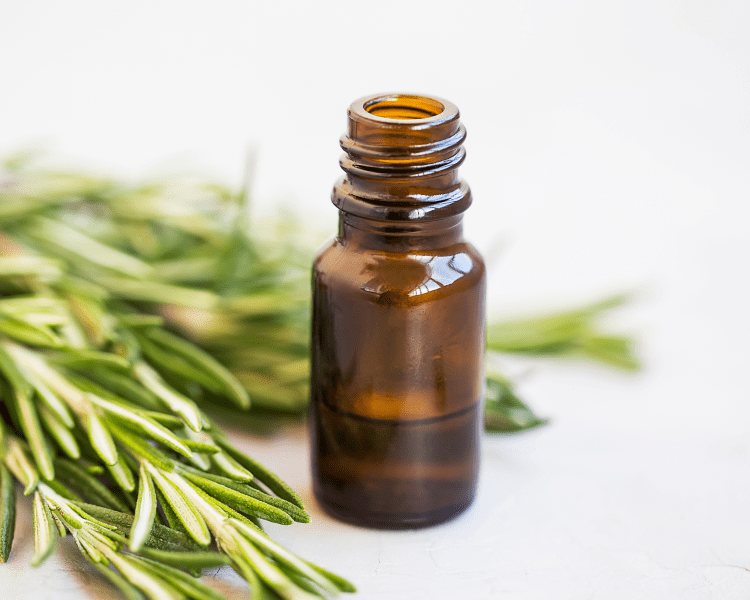
Rosemary is an evergreen shrub up to a metre and a half tall, with woody, upright or sprawling stems and narrow, needle-like leaves, dark green and glossy above, white and felted beneath, with the edges rolled under. Small pale blue to lilac flowers, two-lipped like all the mint family, crowd along the stems in late winter and spring and feed the earliest bees. Its native home is the dry scrub of the Mediterranean, and it is happiest in sun, lime and sharp drainage.
The Galenic Reading
A resinous, pungent, aromatic herb is hot and dry, and rosemary is one of the strongest of its kind in the garden. Culpeper gave it to the Sun: “The Sun claims privilege in it.”3 The Sun warms, lifts and brightens, and rosemary works on exactly the places where cold and damp settle: the head, the stomach and the circulation. Culpeper praised it for “all cold diseases, both of the head, stomach, liver, and belly,”4 and singled it out as “good for a dull and melancholy man.”5
- Phlegmatic (cold and moist): an excellent match. Rosemary warms and dries a cold, sluggish digestion, a heavy head and cold hands and feet.
- Melancholic (cold and dry): the classic match for the spirits, as Culpeper said, but drying. Use it in rich, moist dishes or as a tea sweetened with honey rather than in strong tinctures.
- Choleric (hot and dry): modest amounts only. Rosemary adds heat to heat and can provoke headaches or restlessness.
- Sanguine (hot and moist): useful in food for its drying, clearing action.
Rosemary is a herb for the dark half of the year, and for the grey, damp mornings when the head feels thick and the hands won’t warm.
Uses
1. Digestion
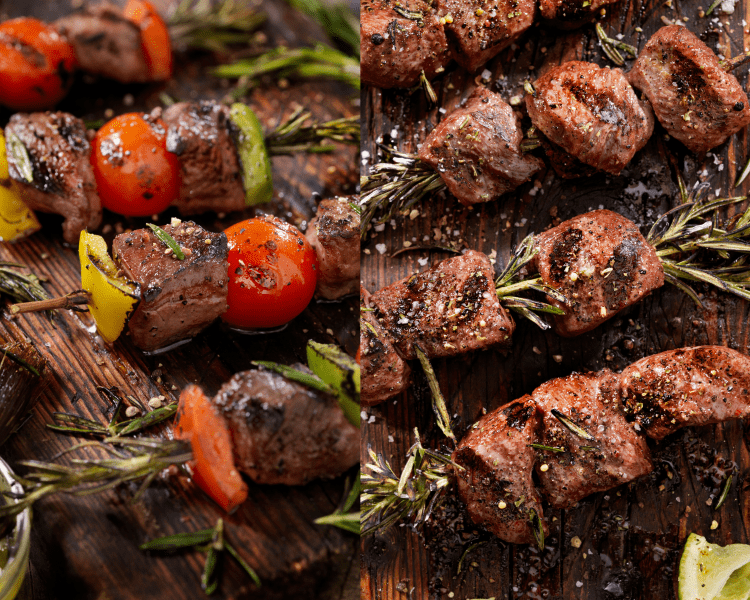
This is rosemary’s best-supported traditional use. The European Medicines Agency accepts rosemary leaf, taken as a tea, as a traditional herbal product for the relief of indigestion and mild spasms of the digestive tract.6 It is no accident that rosemary goes into the pot with lamb, pork, game and beans: it warms the stomach, moves wind and helps rich, heavy food sit more lightly.
2. Circulation, Muscles and Joints (External Use)
Rosemary is a rubefacient: rubbed on the skin, it brings warmth and blood to the surface. The European Medicines Agency accepts rosemary as a bath additive for the relief of minor muscle and joint aches and minor problems of the peripheral circulation.7 A warm rosemary bath or a rosemary-infused oil rubbed into cold, stiff hands and knees is an old and very pleasant comfort.
3. The Head and the Memory
“There’s rosemary, that’s for remembrance,” says Ophelia, and rosemary has been the herb of memory for centuries. The modern research is small but interesting. In a crossover trial, 28 older adults drank tomato juice containing dried rosemary powder at four different doses. The smallest dose, 750 mg, roughly what you would eat in a well-seasoned meal, gave the best scores on speed of memory; the higher doses did worse than plain juice.8 Culinary amounts, it seems, are the right amounts.
4. An Antioxidant Herb
Rosemary is rich in carnosic acid, carnosol and rosmarinic acid, which are strong antioxidants; rosemary extract is even used commercially to stop cooking oils and meat from going rancid. Laboratory and animal studies suggest anti-inflammatory and protective effects as well, but this is preclinical work, not human trials.9
Constituents
Rosemary contains:10
- Phenolic acids: rosmarinic, caffeic and chlorogenic acids
- Phenolic diterpenes: carnosic acid, carnosol and rosmanol, the main antioxidants
- Triterpenoid acids: ursolic and oleanolic acids
- Essential oil: 1,8-cineole (eucalyptol), camphor and α-pinene, in proportions that vary from plant to plant
- Flavonoids: including luteolin derivatives
Preparations and Dosage
- In food: a sprig or a teaspoon of chopped leaves in roasts, beans, soups and bread. In the memory trial, about ¾ g of dried leaf worked best.
- Tea: 1 teaspoon of dried leaves (or a 5 cm sprig of fresh) to a cup of just-boiled water. Cover and steep for 10 minutes. One to three cups a day after meals. If digestive discomfort lasts more than two weeks, see your doctor.
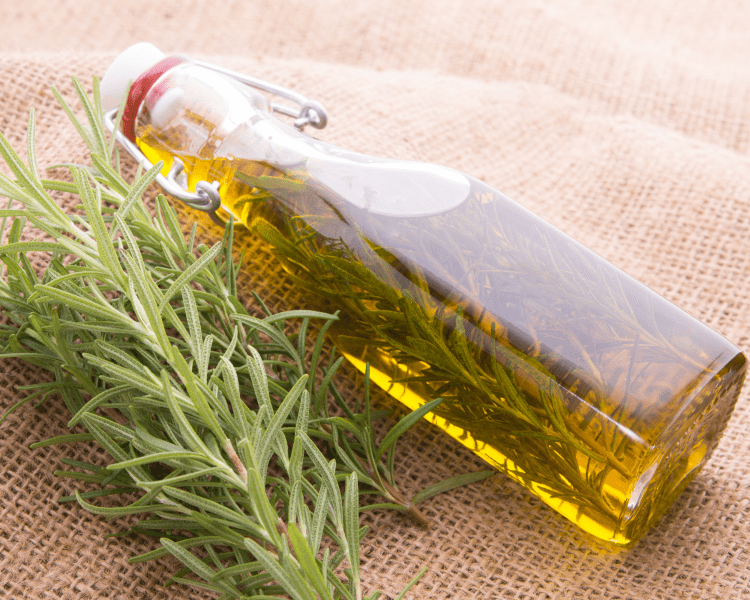
- Infused oil: fill a clean, dry jar loosely with dried rosemary, cover with olive or sunflower oil and leave in a warm place for three to four weeks, shaking now and then. Strain well. Use for massage on cold, stiff hands, knees and feet.
- Bath: simmer a good handful of rosemary in a litre of water for 10 minutes, strain and add to a warm bath. Not at bedtime for light sleepers, as rosemary is stimulating.
- Hair rinse: a strong, cooled tea poured over the hair after washing, an old way to darken and shine brown and black hair.
- Essential oil: for the skin only, diluted to 1–2% in a carrier oil. Never take it by mouth.

Harvesting, Growing and Sustainability
Here in the Creuse, rosemary’s enemy is not the cold so much as the wet. It survives frost well in a sunny, sheltered spot with sharp drainage, at the foot of a south-facing wall or in a gravelly raised bed, but sits sulking and then dies in heavy, waterlogged clay. In a pot, use a gritty compost and bring it under cover in the wettest weeks. Cuttings of new growth taken in late spring or summer root easily.
Harvest sprigs all year as you need them, never taking more than a third of the plant at once, and cut it back lightly after flowering to keep it bushy. To dry, hang small bunches in an airy, shady place, then strip the leaves and store them whole in a dark jar. Rosemary is cultivated all over the world and is not at risk.
Safety and Interactions
- Food amounts: rosemary in food is likely safe.11
- Pregnancy and breastfeeding: keep to food amounts; larger amounts by mouth are possibly unsafe in pregnancy.12
- Seizure disorders: avoid medicinal amounts; rosemary might make seizures worse.13
- Aspirin allergy: rosemary contains a compound similar to aspirin and may cause a reaction in people allergic to it.14
- Blood thinners and bleeding disorders: medicinal amounts might increase bruising and bleeding; be cautious with warfarin, clopidogrel, aspirin and similar drugs.15
- The essential oil: the undiluted oil is likely unsafe to take by mouth.16 Keep it diluted on the skin, away from the eyes, and away from small children’s faces.
Common Questions
Does rosemary really help memory?
The evidence is small but encouraging, and it points to everyday culinary amounts rather than large doses. A rosemary-seasoned dinner is a fine place to start.
Can I grow rosemary in a cold, wet climate?
Yes, if you give it sun, shelter and perfect drainage. It is the wet, not the frost, that usually kills it.
Is rosemary safe every day?
In food, yes. Strong teas, tinctures and the essential oil are a different matter in pregnancy, epilepsy and with blood thinners.
Which constitution benefits most?
In Galenic terms, the cold types: the phlegmatic for its warming, drying action, and the melancholic for its lifting effect on the spirits, taken in moist, nourishing forms.
© 2024 Carolyn Smith-Kizer
If this work is useful to you, you can buy me a coffee — buymeacoffee.com/cskizer

Notes
- Alfred Boretius, ed., Capitularia regum Francorum, vol. 1, Monumenta Germaniae Historica, Leges 2 (Hannover: Hahn, 1883), no. 32, cap. 70; see also “Essential Capitulare de Villis Plant List,” At Charlemagne’s Behest, https://atcharlemagnesbehest.com/capitulare-de-villis-plant-list. ↩
- Nicholas Culpeper, The Complete Herbal, Project Gutenberg eBook 49513 (2015), s.v. “Rosemary,” https://www.gutenberg.org/ebooks/49513. ↩
- Culpeper, Complete Herbal, s.v. “Rosemary.” ↩
- Culpeper, Complete Herbal, s.v. “Rosemary.” ↩
- Culpeper, Complete Herbal, s.v. “Rosemary.” ↩
- European Medicines Agency, Committee on Herbal Medicinal Products, European Union Herbal Monograph on Rosmarinus officinalis L., folium, Rev. 1, EMA/HMPC/513940/2021 (Amsterdam: European Medicines Agency, 2024), https://www.ema.europa.eu/en/medicines/herbal/rosmarini-folium. ↩
- EMA, Monograph on Rosmarinus officinalis. ↩
- Andrew Pengelly et al., “Short-Term Study on the Effects of Rosemary on Cognitive Function in an Elderly Population,” Journal of Medicinal Food 15, no. 1 (2012): 10–17, https://doi.org/10.1089/jmf.2011.0005. ↩
- Jonatas Rafael de Oliveira, Samira Esteves Afonso Camargo, and Luciane Dias de Oliveira, “Rosmarinus officinalis L. (Rosemary) as Therapeutic and Prophylactic Agent,” Journal of Biomedical Science 26 (2019): 5, https://doi.org/10.1186/s12929-019-0499-8. ↩
- de Oliveira, Camargo, and de Oliveira, “Rosmarinus officinalis.” ↩
- RxList, “Rosemary: Health Benefits, Side Effects, Uses, Dose & Precautions,” accessed October 15, 2026, https://www.rxlist.com/supplements/rosemary.htm. ↩
- RxList, “Rosemary.” ↩
- RxList, “Rosemary.” ↩
- RxList, “Rosemary.” ↩
- RxList, “Rosemary.” ↩
- RxList, “Rosemary.” ↩
Bibliography
Boretius, Alfred, ed. Capitularia regum Francorum. Vol. 1. Monumenta Germaniae Historica, Leges 2. Hannover: Hahn, 1883.
Culpeper, Nicholas. The Complete Herbal. Project Gutenberg eBook 49513, 2015. https://www.gutenberg.org/ebooks/49513.
de Oliveira, Jonatas Rafael, Samira Esteves Afonso Camargo, and Luciane Dias de Oliveira. “Rosmarinus officinalis L. (Rosemary) as Therapeutic and Prophylactic Agent.” Journal of Biomedical Science 26 (2019): 5. https://doi.org/10.1186/s12929-019-0499-8.
European Medicines Agency, Committee on Herbal Medicinal Products. European Union Herbal Monograph on Rosmarinus officinalis L., folium. Rev. 1. EMA/HMPC/513940/2021. Amsterdam: European Medicines Agency, 2024.
Pengelly, Andrew, et al. “Short-Term Study on the Effects of Rosemary on Cognitive Function in an Elderly Population.” Journal of Medicinal Food 15, no. 1 (2012): 10–17. https://doi.org/10.1089/jmf.2011.0005.
RxList. “Rosemary: Health Benefits, Side Effects, Uses, Dose & Precautions.” Accessed October 15, 2026. https://www.rxlist.com/supplements/rosemary.htm.