About me

Welcome!
My name is Carolyn Smith-Kizer, and I’m a Clinical Herbalist, lifelong gardener, and—according to my children—a gloriously stubborn dreamer. When I told my family I was leaving the United States at 73 to buy a 19th-century stone house in rural France and recreate an emperor’s garden, they thought I’d lost my mind.
I didn’t argue. I just packed my seeds.
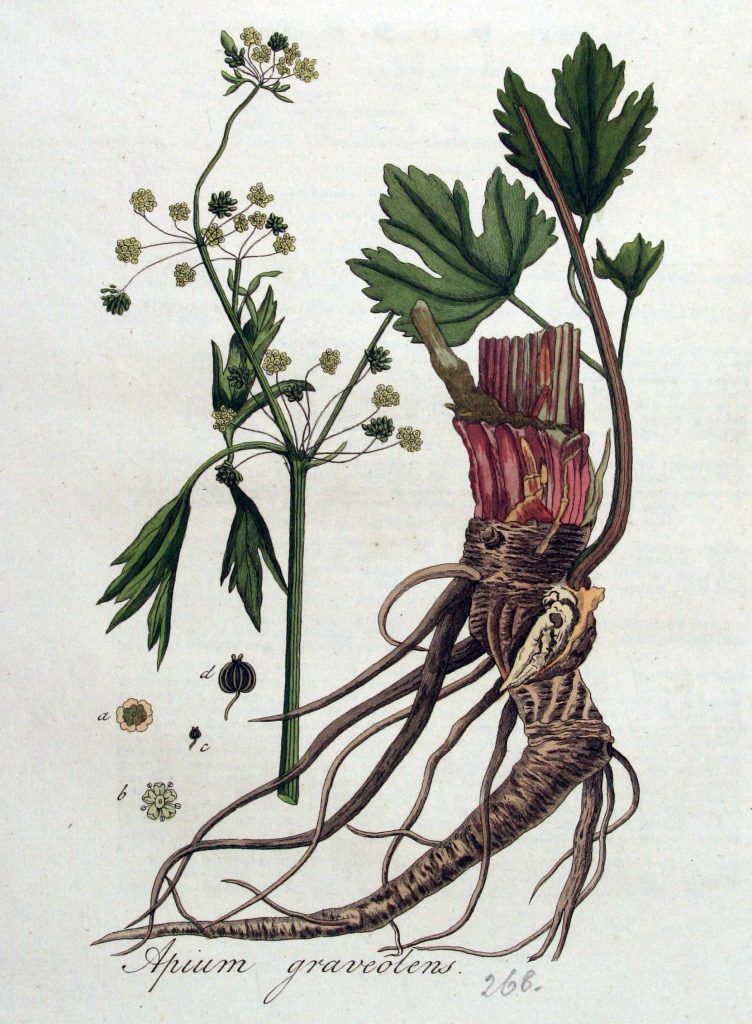
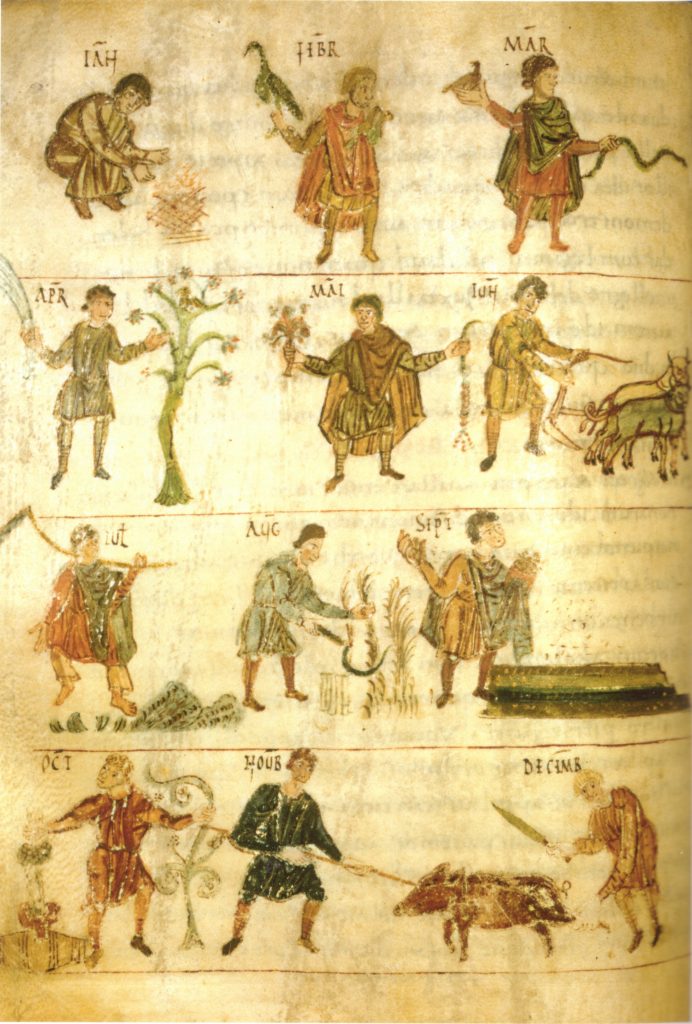
For decades I’ve studied medicinal plants—their chemistry, their history, and the quiet wisdom embedded in centuries of human use. But it was one particular historical document that set this whole adventure in motion: the Capitulaire de Villis, Emperor Charlemagne’s 795 AD decree that listed exactly 70 plants every royal estate in the Holy Roman Empire was required to grow.
That list wasn’t a hobby. It was a survival system—carefully curated for nutrition, medicine, trade, and resilience—and it sustained European civilization through plagues, famines, and wars for over 1,200 years.
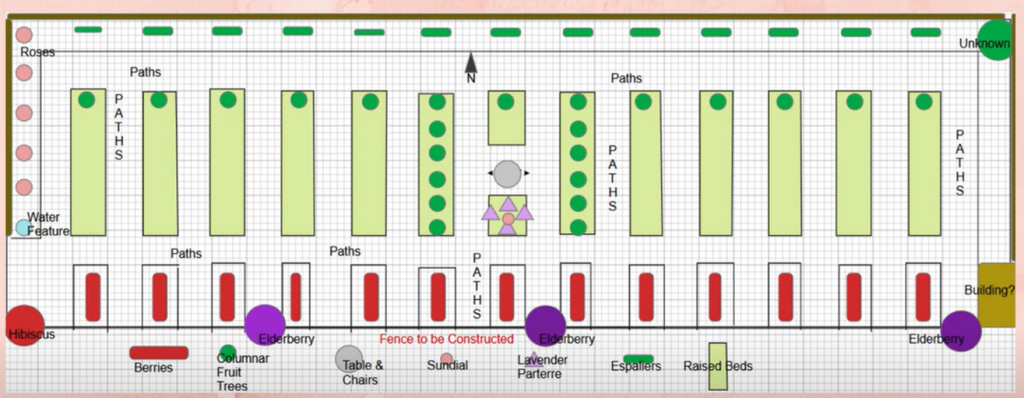
I decided someone ought to bring it back to life. So now, from a walled garden in Creuse, Nouvelle-Aquitaine, I’ll be growing every single one of those 70 plants and documenting what I learn along the way.
The Mission
At Charlemagne’s Behest exists to bridge the gap between ancient plant knowledge and modern understanding. The phrase itself means “at someone’s request or command.” Over 1,200 years ago, Charlemagne commanded his empire to grow these plants because he understood something we’ve largely forgotten: that food and medicine security aren’t luxuries—they’re the foundation of a resilient community.
This project answers that same behest for a new generation. Here you’ll find:
Historical deep dives into each of the 70 plants and why Charlemagne included them
Modern growing guides so you can cultivate these heritage varieties in your own garden
Plant monographs exploring traditional uses alongside current scientific research
Real-time garden updates as I work through the joys and challenges of growing varieties that haven’t been cultivated together for centuries
As a Clinical Herbalist, I bring a perspective that honors both worlds: the traditional knowledge our ancestors relied on for generations and the modern science that helps explain why it worked. Neither alone tells the full story. Together, they’re extraordinary.


The Community
What began as a personal project quickly became something bigger. On my YouTube channel, The Little Old Lady (@thelittleoldlady_101), over 24,000 subscribers are following along in real time as I source rare varieties, prepare medieval-style garden beds, and share weekly “Plant of the Week” videos that explore the history, cultivation, and uses of each variety on Charlemagne’s list.
This community is made up of herbalists, history lovers, gardeners, homesteaders, and curious souls from around the world who share a conviction that the old ways still have something vital to teach us. Whether you’ve been growing herbs for fifty years or you’re just discovering your first seedling, you belong here.
Why It Matters Now
Many of the plants on Charlemagne’s list have quietly vanished from everyday gardens—lost to commercialization and the narrowing of our agricultural diversity. Some varieties are genuinely at risk of being forgotten entirely.
This garden is a small act of preservation: growing, documenting, and sharing knowledge so that it doesn’t disappear. If we don’t keep these plants and their stories alive now, we risk losing wisdom that took centuries to accumulate.
The old ways aren’t outdated. They’re just waiting for us to make them new again.